Qatar Airways Group Chief Executive Hamad Al-Khater has described the Iran war as the largest crisis in the airline’s history, putting the disruption ahead of both the COVID-19 pandemic and the 2017 Gulf blockade in management’s assessment of its operational severity.

“It was our single largest crisis in our history,” Al-Khater said during a Bloomberg Television interview connected with the Qatar Economic Forum’s UNGA special edition in New York on September 20.
The conflict forced Qatar Airways to ground its Doha operation, rebuild the network through restricted air corridors and reconsider where it deploys capacity. Although demand remains strong, Al-Khater said passengers are booking later and that the carrier is concentrating aircraft on its most profitable markets while pausing weaker services where necessary.
Read our stories in your inbox
Two aviation newsletters. Zero fluff.
A Hub Airline Loses Access to Its Hub
The crisis began for Qatar Airways on February 28, when the Qatar Civil Aviation Authority closed the country’s airspace. The airline immediately suspended flights to and from Doha, cutting its global network off from Hamad International Airport (DOH).
That distinction matters for a connecting carrier. A destination airline can sometimes preserve parts of its operation when one market closes. Qatar Airways’ schedule is built around synchronized waves at DOH, with aircraft and passengers arriving from one region before connecting onward to another. Closing the hub therefore interrupts the entire network rather than a limited group of routes.
The Qatar Civil Aviation Authority later said Iranian missile and drone attacks had required airspace closures and flight rerouting across the Gulf and Jordan, causing widespread disruption to international aviation.
Qatar Airways initially used exceptional authorizations to operate a small number of relief flights. On March 7, for example, it planned departures from Doha to London Heathrow, Paris, Madrid, Rome and Frankfurt through a temporary corridor, while emphasizing that the flights did not represent a restart of normal scheduled service.
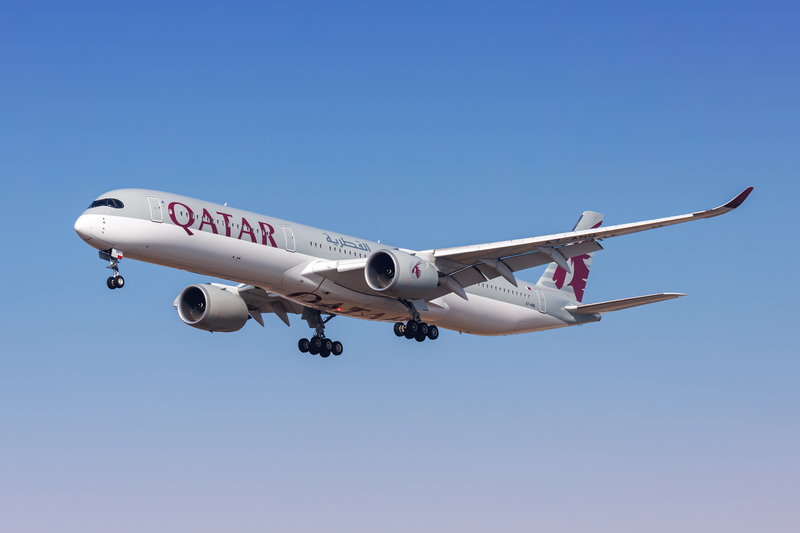
Commercial operations began returning in stages during March. Qatar’s government said the airline was operating at around 60% of pre-conflict capacity by April 16, with 139 daily departures. The recovery depended on dedicated corridors approved by the aviation authority rather than unrestricted use of the surrounding airspace.
Capacity Follows Demand, Not Market Share
Al-Khater said Qatar Airways is managing the remaining uncertainty by looking closely at route profitability. Stronger markets can retain or gain capacity, while less profitable routes may be suspended or paused until the demand picture improves.
That approach is significant for a carrier that has traditionally used a broad network to collect traffic from smaller markets and feed long-haul services through Doha. Cutting a marginal route can improve short-term aircraft productivity, but it also removes connecting passengers from several other flights. Qatar Airways must therefore assess each route by its contribution across the network, not simply by the performance of one sector.
The airline is also seeing a shorter booking curve. Al-Khater said about 75% of passengers are now booking within 60 days of departure. Later purchasing gives the carrier less forward visibility, particularly when deciding how quickly to restore frequencies or return temporarily suspended destinations.
Load factors nevertheless remain high, and Al-Khater characterized demand as resilient. Qatar Airways has not yet passed higher fuel costs directly to passengers, he said, although fuel remains a closely watched expense. The airline’s focus is on capacity rather than pursuing market share regardless of return.
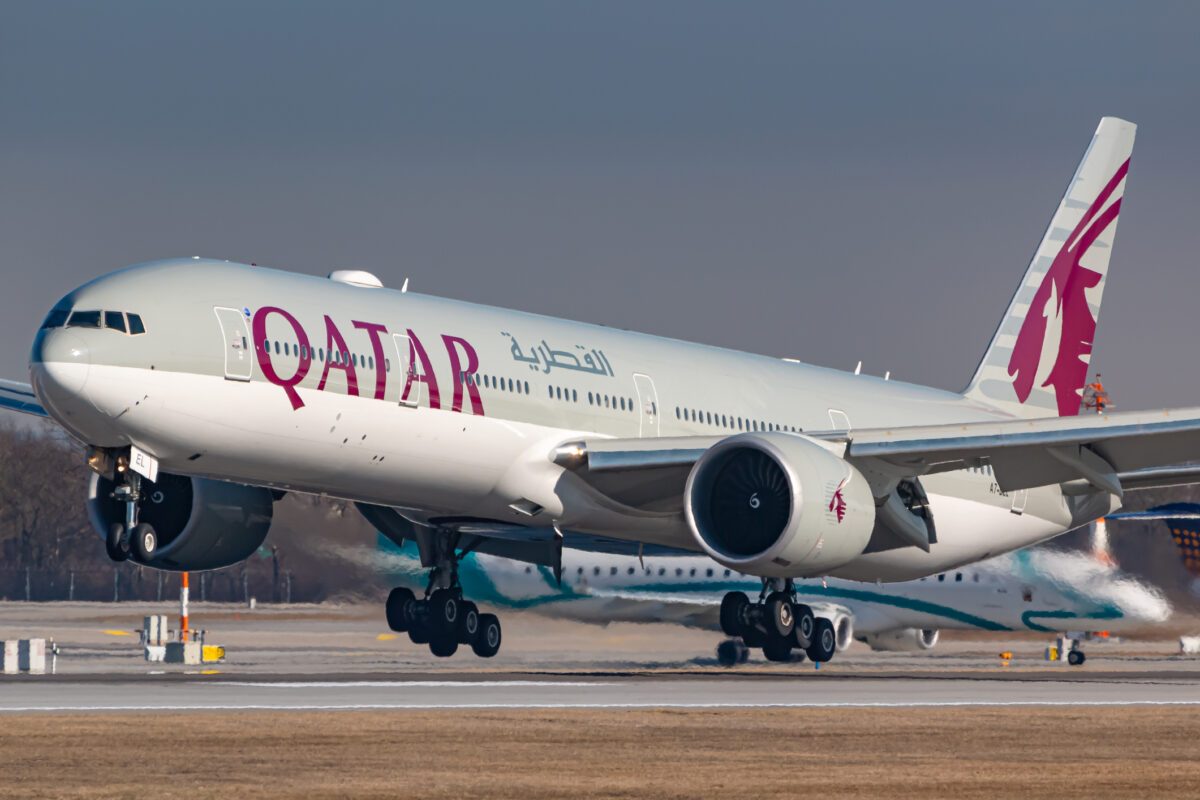
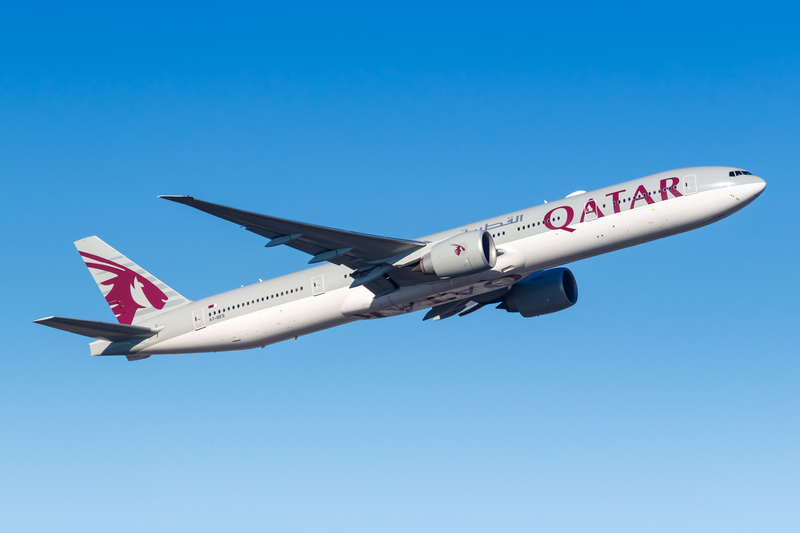
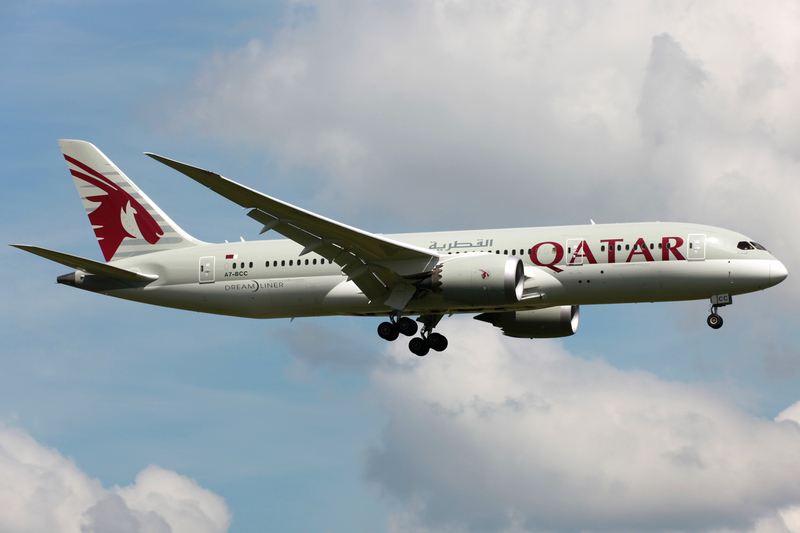
The fleet gives Qatar Airways several tools for that process. Its long-haul network uses Boeing 777, Airbus A350 and Boeing 787 aircraft, allowing it to match different combinations of capacity, range and cargo demand. The 777 provides high passenger and freight volume on trunk routes, while the A350 and 787 offer lower-capacity options for long-haul markets where frequency and network reach matter more than maximum gauge.
The Network Has Recovered Faster Than Capacity
By mid-June, Qatar Airways said it had restored 85% of its pre-crisis network, operating more than 140 daily departures to over 160 destinations. The distinction between destinations and capacity is important: an airline can restore a route with fewer weekly flights and still remain well below its previous seat supply.
The rebuilding has since moved into an expansion phase. Qatar Airways’ 2026-2027 winter schedule covers more than 170 destinations and nearly 1,800 weekly frequencies in December. The plan includes higher frequencies to London Heathrow, Frankfurt, Montréal, Phuket, Malé, Melbourne and Johannesburg, alongside resumed service to Zanzibar, Canberra and four Saudi Arabian destinations.
That schedule indicates that Qatar Airways is not responding to the crisis with a permanent retreat. It is rebuilding selectively, using restored frequencies and route resumptions to follow demand while retaining flexibility if security conditions deteriorate again.
A Profitable Airline Absorbs a Severe Shock
The disruption arrived at the end of an otherwise strong financial year. Qatar Airways Group’s 2025-2026 annual report recorded QAR 83.75 billion in revenue, QAR 15.2 billion in operating profit and QAR 7.08 billion, or $1.94 billion, in group profit. It carried 41.8 million passengers and ended the year with more than 300 aircraft across the group.
Those figures largely reflect trading before the full effects of the conflict. The airspace closure began in the final weeks of the financial year, while the cost of rebuilding schedules, accommodating disrupted passengers and operating through constrained corridors continued into the new reporting period.
Al-Khater had been in the top job for less than three months when the airspace closed. He became group chief executive on December 7, 2025, after serving as chief operating officer of Hamad International Airport. That airport background placed an executive familiar with DOH’s infrastructure and operating system at the center of the airline’s response.
Bottom Line
Qatar Airways’ experience shows the particular exposure of the Gulf connecting model to regional airspace disruption. A large widebody fleet and global sales base provide commercial resilience, but neither can replace access to the hub. When Doha closes, aircraft utilization, passenger connections and cargo flows are affected across six continents within hours.
The recovery also shows why destination counts alone are an incomplete measure of an airline’s return. Qatar Airways has rebuilt the breadth of its network quickly, but frequency, available seat kilometers and the timing of connecting banks determine how much of the original hub product has actually returned. The winter schedule suggests management is now comfortable adding depth as well as breadth, although weaker routes will remain vulnerable if demand softens or fuel costs rise further.
What matters next is whether Qatar Airways can operate the planned winter program without another broad airspace interruption. If it can, the airline enters 2027 with a network larger than the one it operated before the war and a profitable base from which to absorb the remaining costs. If restrictions return, Al-Khater’s emphasis on route profitability and flexible capacity will become the operating model rather than a temporary crisis response.
Keep reading FlyMag
Get the Daily Brief in the morning or the Route Watch weekly recap on Fridays. Or both.