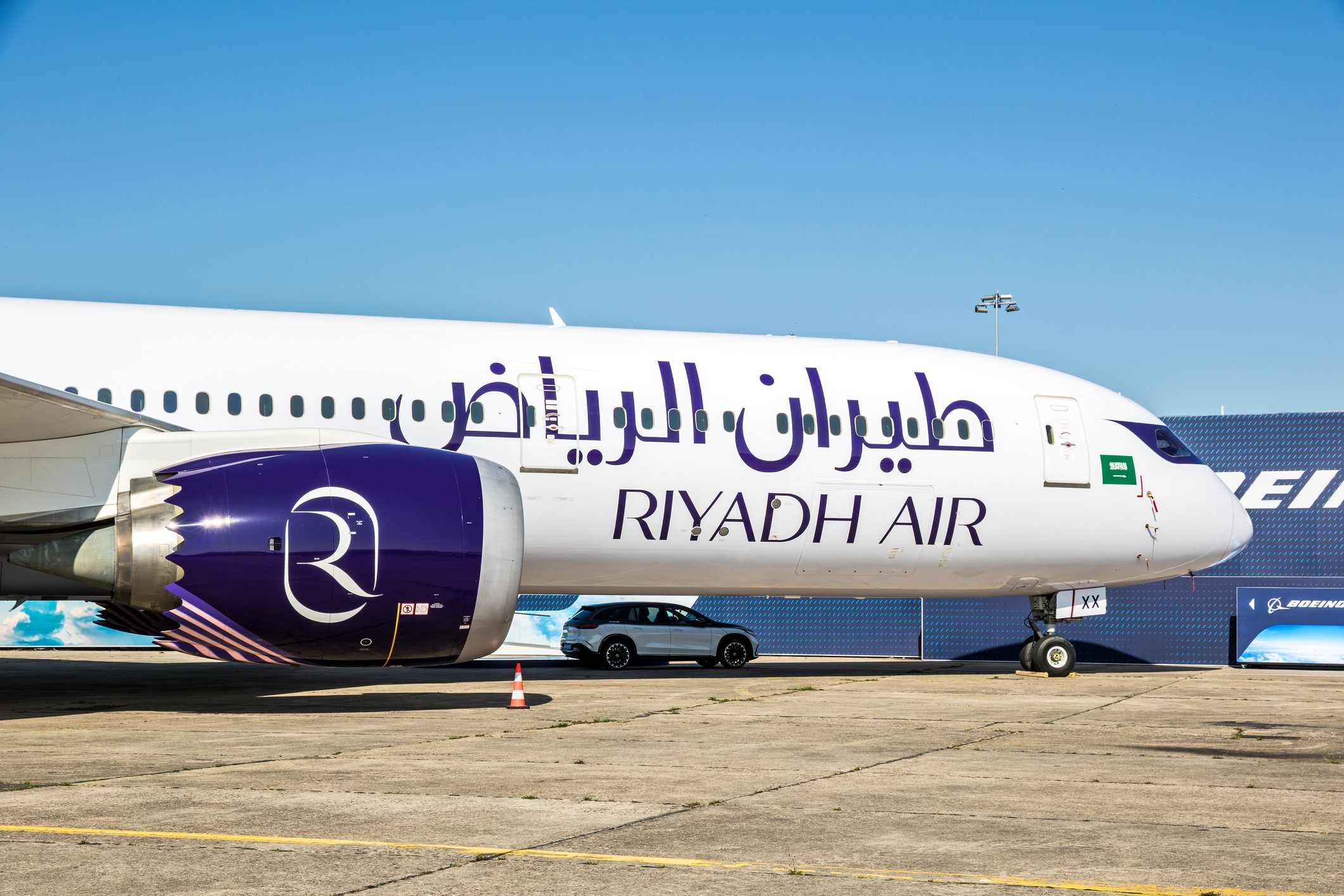
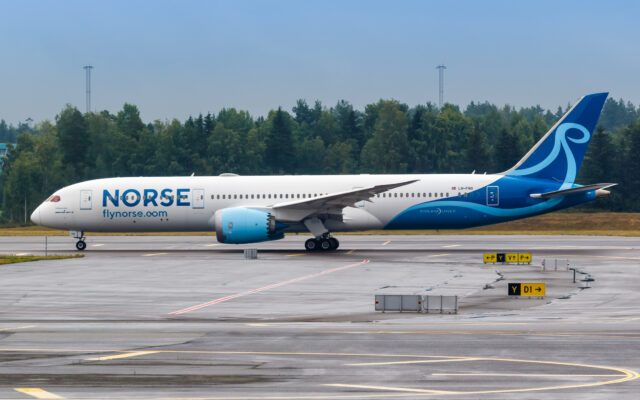
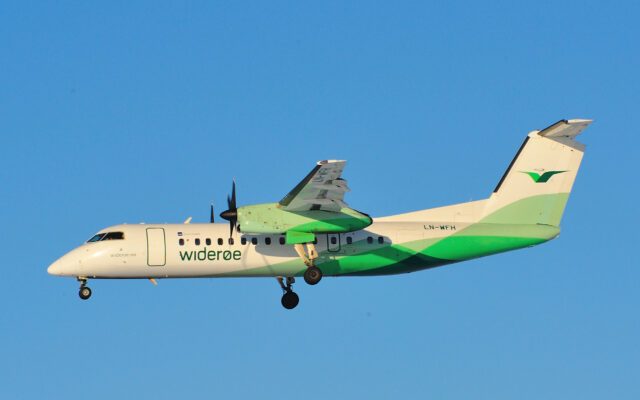
Aviation across parts of the Middle East has taken a meaningful step toward normalization after Iraq, Syria, and Bahrain moved to reopen their airspace following the two-week U.S.-Iran ceasefire announcement.
For airlines, this is significant not simply because more airspace is technically available again, but because these corridors sit inside one of the world’s most strategically sensitive overflight regions. When Iraq and Syria reopen, the effect is felt far beyond their borders. These are not just local aviation markets. They are pieces of the wider air bridge connecting Europe, the Gulf, and Asia.
That is why the reopening matters even though traffic is returning slowly. The region is regaining options, and in the current operating environment, options are valuable.
Read our stories in your inbox
Two aviation newsletters. Zero fluff.
Iraq and Syria Remove the Most Severe Restrictions
Iraq’s move is especially important because its airspace had been effectively closed to civil traffic since the conflict escalated at the end of February. For airlines operating between Europe and the Gulf, or beyond toward Asia, Iraqi airspace is one of the more useful routes when it is available.
Syria’s reopening also matters, though in a different way. Syrian airspace had been far more limited operationally, with only narrow windows of activity in recent weeks. Reopening all air corridors restores another piece of regional routing flexibility, even if many airlines will still approach it cautiously from a risk-management standpoint.
The bigger point is that both reopenings reduce the pressure that had been forced onto the remaining safe corridors elsewhere in the region.
Bahrain Reopens, but Not Without Conditions
Bahrain has also reopened its airspace, but with an important caveat: airlines still need prior approval before operating.
That distinction matters. On paper, Bahrain is open again. In practice, it is open under controlled conditions. For carriers, that means Bahrain is not yet functioning like a fully normalized piece of regional airspace. It is available, but still subject to operational oversight and a more managed restart.
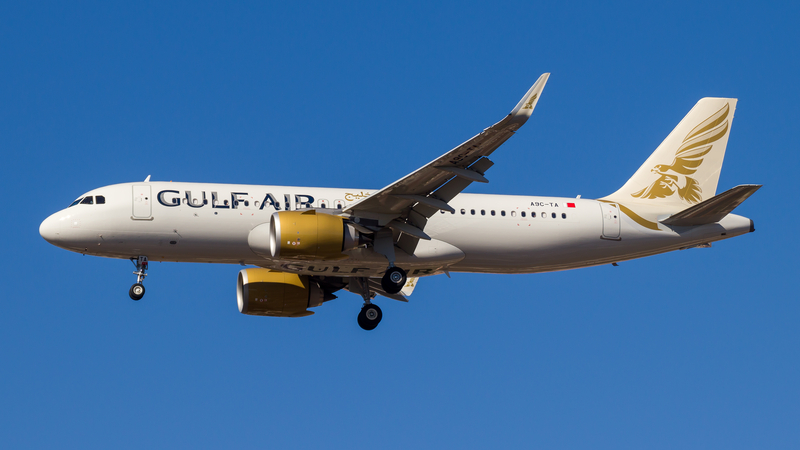
That makes Bahrain’s reopening different from a simple all-clear. The state is clearly trying to restore connectivity without surrendering control of the pace.
Tel Aviv Eases Out of Wartime Operating Limits
Israel is moving in the same direction, though with its own complications.
The government has lifted the strict wartime capacity caps that had sharply limited departures and arrivals at Tel Aviv Ben Gurion Airport (TLV). During the height of the restrictions, the airport was confined to a very small number of movements per hour and outbound flights were subject to unusually tight passenger caps.
That easing is important because it signals a shift away from emergency-mode scheduling at Israel’s main international gateway. But it does not mean the market has returned instantly to normal. As of April 9, the operating structure still relied on exceptions and approvals rather than a completely open, unconstrained airspace system.

So while the direction is clearly positive, the operational reality remains more gradual than the headline might suggest.
The Reopening Is Real, but the Recovery Is Still Cautious
That is the central point of the story. Airspace has reopened faster than traffic has returned.
Flight-tracking and industry reporting suggest that commercial activity in some of the newly reopened corridors remained thin immediately after restrictions were lifted. That is not surprising. Airlines do not instantly flood back into recently contested airspace the moment a NOTAM changes. Dispatch, insurance, crew confidence, regulatory advice, and internal risk assessments all continue to matter.
This is especially true in a region where airspace planning has already been under extraordinary strain for weeks. The formal reopening of a corridor is only the first step. The second is persuading airlines that it is operationally and commercially safe to use it again.
Not Every Part of the Region Has Fully Normalized
It is also important not to overstate the scale of the recovery.
Kuwait, for example, remained under much tighter restrictions even as Iraq, Syria, and Bahrain moved to reopen. And across the region more broadly, airspace availability still does not necessarily mean a full return to normal routing. Airlines remain cautious, and some international safety bodies continue to advise restraint when operating over parts of the Middle East.
That means the region is in a transition phase rather than a clean recovery phase. The map is improving, but it is not yet stable in the way airlines would normally want for long-term planning.
Bottom Line
The reopening of Iraqi, Syrian, and Bahraini airspace is a meaningful improvement for commercial aviation in the Middle East, and the easing of restrictions at Tel Aviv Ben Gurion Airport (TLV) points in the same direction.
But the real story is not that the region has suddenly returned to normal. It is that some of the most important closed corridors are beginning to reopen, while traffic, approvals, and airline confidence are coming back more slowly.
For aviation professionals, that is the key takeaway. The ceasefire has eased pressure on the region’s airspace system, but the return of normal operations is still likely to be staged, uneven, and heavily conditional.
Keep reading FlyMag
Get the Daily Brief in the morning or the Route Watch weekly recap on Fridays. Or both.