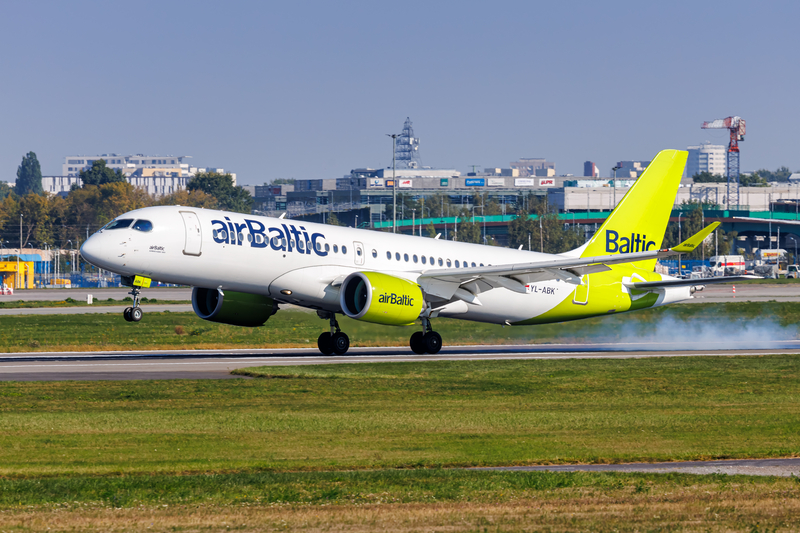
airBaltic has introduced a new lowest-tier fare called Economy MINI, giving the airline an even more stripped-back entry point for travelers who want the cheapest possible ticket and are willing to fly with almost nothing.
The fare becomes available from May 6, 2026 and will be sold only through airBaltic’s direct channels. It includes just one small personal item, with everything else, cabin baggage, checked baggage, seat upgrades, and other extras, available for an additional fee.
On the surface, this looks like a simple fare tweak. In reality, it says something larger about where airBaltic sees the market going, and how much closer it is willing to move toward the low-cost pricing logic that now dominates much of short-haul Europe.
Read our stories in your inbox
Two aviation newsletters. Zero fluff.
Economy MINI Sits Below Economy BASIC
The most important structural change is that Economy MINI now becomes the lowest fare in airBaltic’s booking ladder.
That means the airline’s fare family system grows to six options, with MINI sitting beneath the existing Economy BASIC fare. In practical terms, airBaltic is creating a more granular entry point for travelers who care almost entirely about headline price and are willing to unbundle the trip as much as possible.
That is a very deliberate move. Airlines do not usually add a lower fare tier unless they believe enough passengers are either actively searching for that type of product or comparing them against rivals who already offer it.
The Included Bag Is Extremely Small
The core product is minimal by design.
Economy MINI includes only one personal item up to 40 × 30 × 15 cm. That is effectively a very small under-seat bag, not a conventional cabin case. Anyone wanting a standard trolley bag, larger hand luggage, or checked baggage will need to pay extra.
That matters because baggage often defines how passengers experience a fare in practice. A cheaper ticket can stop feeling cheap very quickly if the traveler later has to add multiple extras. airBaltic knows that, which is why the new fare is aimed less at traditional holidaymakers and more at passengers taking very short trips, weekend breaks, or price-first journeys.
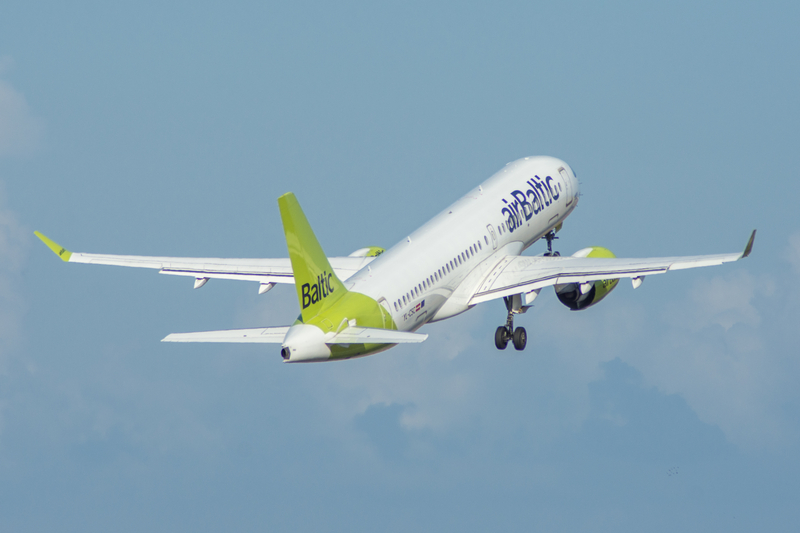
This Is A More Explicit Move Toward The Low-Cost Model
airBaltic is describing the new fare as a way to give travelers more choice, and that is true. But it is also clearly a move toward a more explicit low-cost-style offering.
European short-haul travelers are already used to deeply unbundled products. They know what it means when a fare includes almost nothing. By adding Economy MINI, airBaltic is not inventing a new idea. It is aligning itself more closely with the pricing structure many travelers already see on rival carriers.
That alignment matters because it helps the airline compete on the first thing many passengers notice when shopping: the lowest displayed fare.

Selling It Only Through Direct Channels Is Also Strategic
One of the more revealing details is that Economy MINI will initially be sold only through airBaltic’s own direct sales channels.
That is important for two reasons. First, it gives the airline more control over how the fare is explained, which matters with a product this stripped back. Second, direct distribution is commercially valuable. It reduces reliance on third-party channels and gives the airline more room to upsell baggage, seats, and other extras after the initial booking.
In other words, the fare is not only about price. It is also about distribution and ancillary revenue.
The New Fare Is A Sign Of A More Segmented Airline
The addition of Economy MINI also shows that airBaltic is becoming more segmented in how it sells the same seat.
That is a common airline trend now. Instead of simply offering economy and business, carriers increasingly create more fare layers inside the same cabin to capture different kinds of willingness to pay. Some passengers want flexibility. Some want baggage included. Some want the absolute lowest base fare and are happy to build the rest themselves.
Economy MINI is aimed squarely at that last group.
For airBaltic, this is a way to broaden appeal without changing the aircraft or route network. The same seat can now be sold into more price points, which is often one of the cleanest ways to improve revenue management.
The Risk Is Simplicity Versus Friction
There is, however, a familiar trade-off.
The more fare families an airline creates, the more opportunities it has to match product to demand. But it also creates more complexity for the customer. Travelers may appreciate a lower entry fare, but they may also feel misled if they do not fully understand how little is included.
That is why the communication around a fare like Economy MINI matters so much. If the restrictions are transparent and easy to understand, the product can work well. If not, it can easily become another source of airport frustration and social-media complaints.
This Fits airBaltic’s Broader Competitive Position
airBaltic sits in an interesting place in the European market.
It is not a pure ultra-low-cost carrier, but it does operate in a region where low-cost competition is intense and where price sensitivity remains high, especially on short routes. At the same time, the airline still tries to maintain a more polished product image than some of the most aggressively stripped-back competitors.
Economy MINI fits that balancing act. It lets airBaltic compete more aggressively on entry-level price while still preserving more bundled fare options for travelers who want them.
Bottom Line
airBaltic’s new Economy MINI fare may look like a small booking option, but it reflects a bigger strategic shift. By introducing a lower-priced product that includes only a very small personal item, the airline is moving closer to the pricing logic that defines much of the European short-haul market.
For travelers, the fare will work best for genuine light packers who want the cheapest possible option and are comfortable paying separately for anything extra. For airBaltic, it is a way to sharpen competitiveness, drive more direct bookings, and segment demand more precisely without changing the network itself.