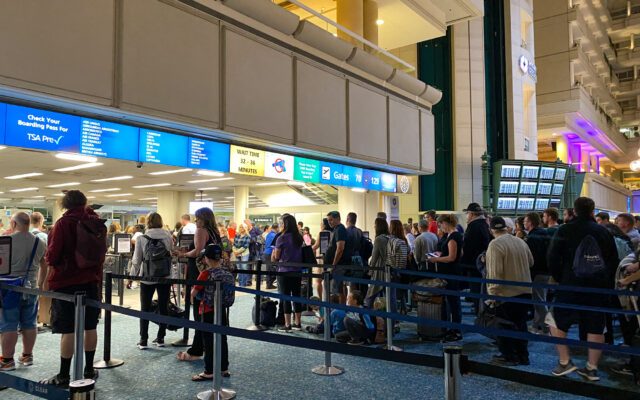
Kuwait has reopened its airspace for the first time since the war-related shutdown that began in late February, marking an important step in the Gulf’s slow aviation recovery after weeks of disruption, airport damage, and regional rerouting.
Commercial flying from Kuwait International Airport (KWI) is resuming in phases rather than all at once. That cautious approach matters. The reopening is not being treated as a return to normal, but as the beginning of a controlled restart after two months in which Kuwait’s airport infrastructure and aviation system were directly affected by the conflict.
For aviation readers, the key point is that Kuwait is back in the system, but only partially, and with a much narrower initial operating plan than before the crisis.
Read our stories in your inbox
Two aviation newsletters. Zero fluff.
The Airspace Reopened Before The Airlines Did
One of the more important operational details is that Kuwait reopened its airspace before restarting commercial passenger flights.
That sequencing is entirely logical. Restoring sovereign airspace availability is one step. Putting scheduled passenger operations back into a damaged and disrupted airport environment is another. By reopening the airspace first and then resuming commercial service several days later, Kuwait gave airlines, airport operators, and ground services time to prepare for a more orderly restart.

This is the kind of phased recovery airports often need after conflict-related disruption. It reduces the risk of trying to restore too much too quickly.
Kuwait International Airport Was Not Closed For Purely Precautionary Reasons
The shutdown was not just a theoretical response to regional instability. Kuwait International Airport (KWI) was directly affected during the conflict.
Recent reporting confirmed that a drone strike hit a fuel tank at the airport in late March, causing a fire. Other reporting around the closure period pointed to broader damage in the airport area and aviation infrastructure concerns, which helps explain why the return to operations has been so measured.
That distinction matters. Kuwait was not merely avoiding risk in neighboring airspace. It was dealing with the operational consequences of being targeted itself.
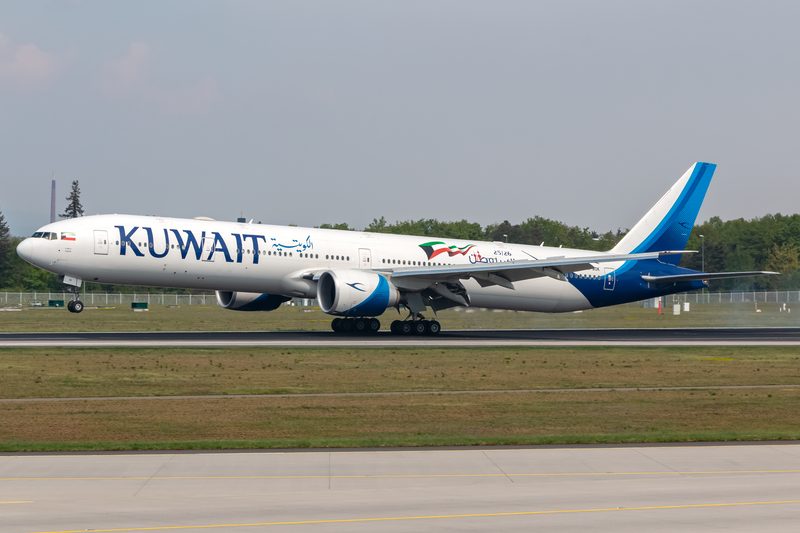
Kuwait Airways And Jazeera Airways Are Leading The Restart
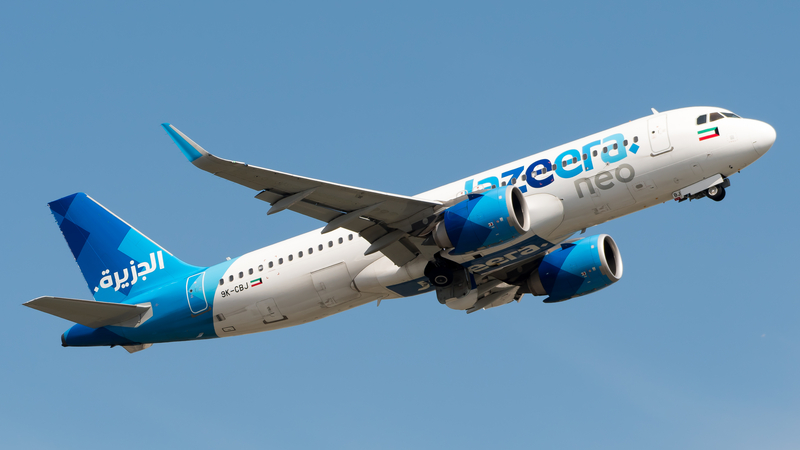
The first carriers back into full commercial operation are Kuwait’s own two main airlines.
Kuwait Airways is resuming service to 17 destinations from Terminal 4, while Jazeera Airways is restarting routes to nine destinations from Terminal 5. That makes sense from both a practical and political standpoint. National and locally based carriers are usually the first to return after a crisis because they can coordinate more directly with local authorities and are more likely to accept a measured operating ramp-up.
Kuwait Airways’ initial network includes destinations such as London, Istanbul, Mumbai, Cairo, and Manila. Jazeera Airways is initially resuming service to Amman, Beirut, Cairo, Damascus, Dubai, Istanbul, Mumbai, Kochi, and New Delhi.
That route mix tells you a lot. The priority is not broad restoration. It is rebuilding essential regional, labor, family, and business links first.
Dammam And Other Saudi Airports Helped Keep A Lifeline Open
During the closure, Kuwaiti carriers did not disappear entirely from the market.
Jazeera Airways and Kuwait Airways had been operating some services out of airports in Saudi Arabia, including Dammam, to preserve a degree of continuity. That kind of workaround is significant because it shows how Gulf aviation networks can adapt in crisis, even if awkwardly. Airlines will often reposition operations through nearby countries to protect some revenue streams, maintain customer relevance, and avoid a total collapse in international access.
Now that flights are returning to Kuwait International Airport (KWI), those emergency workarounds should become less necessary, though they were clearly important during the shutdown period.
The Wider Gulf Recovery Is Still Uneven
Kuwait’s reopening also needs to be understood in the context of a region still recovering unevenly.
Other Gulf and Middle Eastern airports have also been moving back toward normal operations in phases, but the pace has varied significantly by country. Qatar, Oman, the UAE, and Jordan have all seen airlines return in differing degrees, while European and Asian carriers have remained cautious about restoring full schedules into conflict-affected airspace.
That means Kuwait’s return is important, but it does not mean the regional network is fully repaired. Far from it. Airline confidence, insurance tolerance, operational risk, and overflight patterns remain fragile.
Fuel And Airspace Are Now Intertwined Problems
Even as airports reopen, another issue remains in the background: fuel.
The broader conflict has already pushed jet fuel prices higher, and carriers far beyond the Middle East are now feeling that pressure. That matters because aviation recovery is not only about runway access and airspace permission. It is also about the cost of flying once service resumes.
For Kuwait and the wider region, that means airlines are returning into a market that may still be structurally more expensive to serve than before the war. That can slow the pace of recovery even after the airport itself reopens.
This Is A Recovery, Not A Restoration
The most accurate way to view Kuwait’s reopening is as the beginning of a recovery phase rather than the end of a crisis.
Airspace is open again. Flights are resuming. National carriers are back from KWI. But not all foreign airlines have committed to returning yet, and the network being restored is still selective. Infrastructure repair, traffic confidence, and scheduling stability all need time.
For an airport that was struck during the conflict, that is not a sign of weakness. It is a sign of realism.
Bottom Line
Kuwait’s airspace reopening and the return of flights from Kuwait International Airport (KWI) are significant milestones for a country that has spent nearly two months largely cut off from normal commercial aviation. But the restart is deliberately cautious, with Kuwait Airways and Jazeera Airways leading a phased return to a limited set of destinations.
That is the clearest sign of where the market stands. Kuwait is back, but not fully back. The airport, the airlines, and the wider Gulf system are all moving toward recovery, yet still operating in the long shadow of a conflict that damaged both infrastructure and confidence.
Keep reading FlyMag
Get the Daily Brief in the morning or the Route Watch weekly recap on Fridays. Or both.