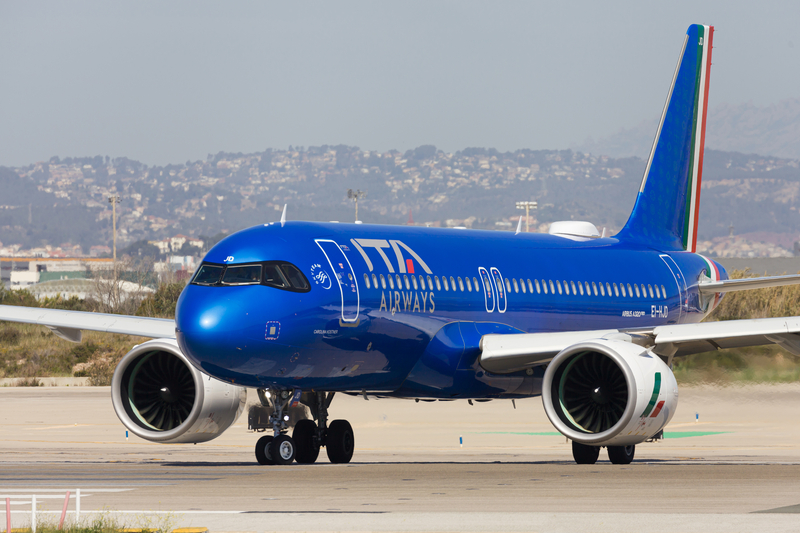
Lufthansa Group is moving closer to full control of ITA Airways, with plans to raise its stake from 41% to 90% in a transaction expected to be exercised in June 2026.
The price for the additional 49% stake is set at EUR325 million, and while the move still requires regulatory clearances, it marks the point at which ITA stops looking like a partially affiliated partner and starts looking much more like a true Lufthansa network airline in all but final legal form.
For aviation readers, the key point is not simply ownership. It is that the integration of ITA is already so advanced that the share increase now looks like the legal and financial confirmation of a process that is operationally well underway.
Read our stories in your inbox
Two aviation newsletters. Zero fluff.
Lufthansa Is Buying Control, Not Full Ownership
One important detail is that Lufthansa is not taking ITA to 100%.
Under the current plan, the airline will increase its holding to 90%, while Italy’s Ministry of Economy and Finance will retain the remaining 10%. That makes ITA a slightly different case from Lufthansa’s other main network airlines, which are fully controlled within the group structure.
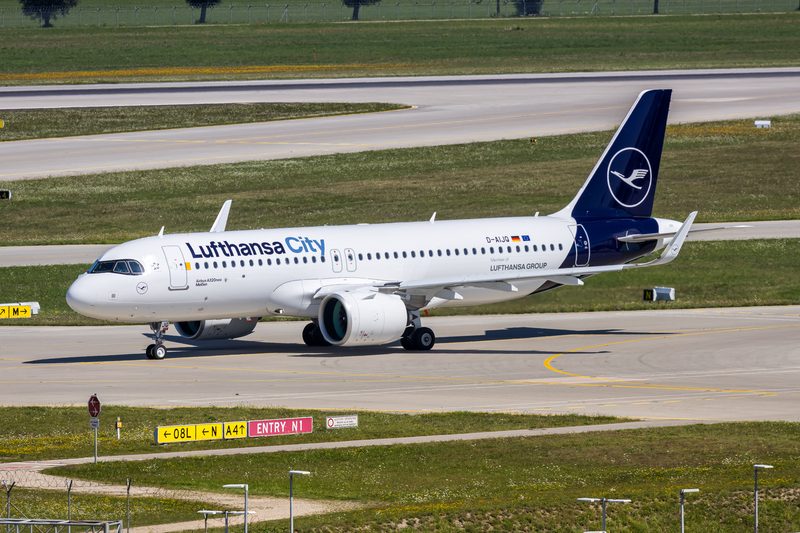
That matters because it preserves a visible Italian state presence in the company even as Lufthansa becomes the clear controlling shareholder. Politically, that is useful. Operationally, it changes very little.
The Deal Still Needs Regulatory Approval
Even though Lufthansa plans to exercise the option in June, the transaction itself is not expected to close until the first quarter of 2027.
That gap matters because Lufthansa has been explicit that final completion still depends on approvals from European Union and United States authorities. In practical terms, that means Lufthansa is committing to the next ownership step now, but the legal transfer of majority control still has to clear the usual antitrust and regulatory processes.
For an airline already deeply integrated with the group, the timeline is important mainly because it affects how quickly Lufthansa can fully consolidate ITA financially.
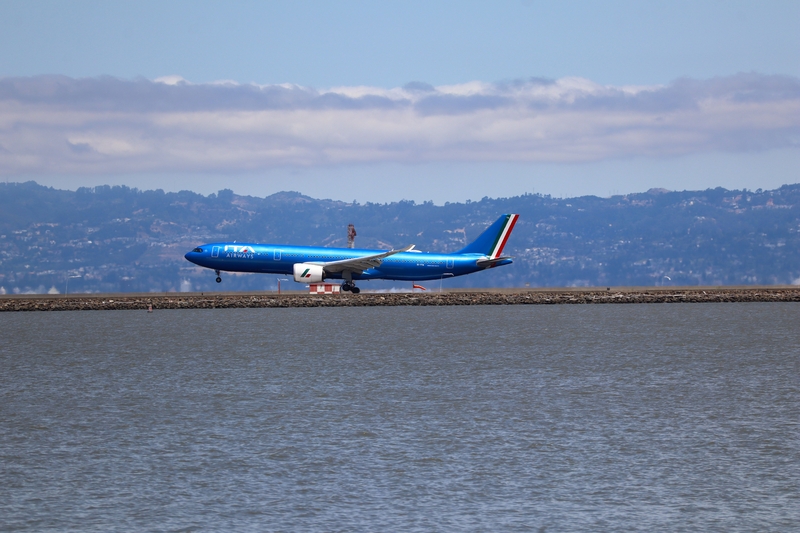
ITA Is Already Functioning Like A Lufthansa Group Airline In Many Areas
This is what makes the story especially interesting: a lot of the integration is already done.
ITA is already tied into Lufthansa Group systems in visible ways, including:
- unified booking, sales, and fare systems
- Miles & More frequent flyer integration
- Star Alliance membership
- access to the group’s premium lounge network
- cargo cooperation through Lufthansa Cargo
That is significant because it means passengers already experience much of ITA as though it were a Lufthansa Group airline, even before the ownership structure reaches majority control.
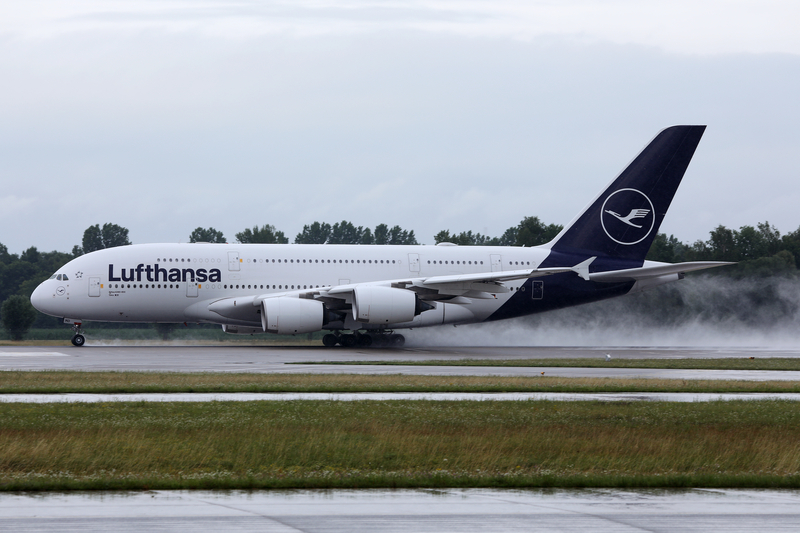
In other words, the corporate paperwork is catching up with the customer reality.
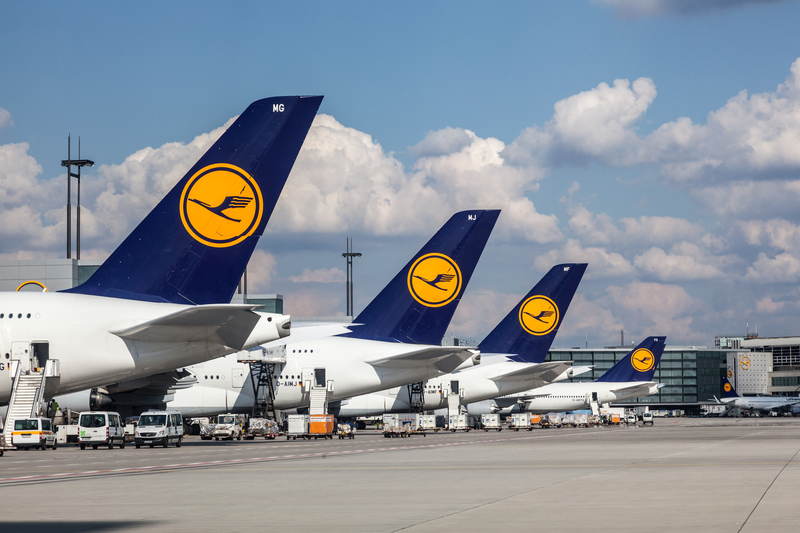
The North Atlantic Is The Main Integration Gap
One of the most important caveats in the current integration process is the North Atlantic.
Lufthansa has said that most of the customer-facing integration is already complete, with the key exception being North Atlantic merger-related elements that still depend on regulatory approval. That matters because the North Atlantic remains one of the most commercially sensitive parts of the airline business, especially when alliances, joint ventures, and revenue-sharing arrangements are involved.
So while ITA is already deeply embedded in the group, the transatlantic side still has one of the biggest remaining regulatory hurdles.
This Was Always The Plan — But It Happened Faster
Lufthansa’s original entry into ITA was completed in January 2025, when it acquired the first 41% stake under a deal initially agreed in 2023.
From the beginning, Lufthansa had signaled that it intended to increase that holding later, subject to performance and strategic evaluation. What appears to have changed is the speed and confidence of the move. Lufthansa is now acting earlier and more decisively than some observers may have expected, which suggests management believes the integration is working and that ITA’s strategic value is already proving itself.
That is one of the clearest signals in this story: Lufthansa likes what it sees.
Rome Becomes Even More Important Inside Lufthansa Group
The ownership increase also reinforces the strategic role of Rome Fiumicino Airport (FCO).
For Lufthansa Group, Rome is not just another southern European station. It is a major market, a premium long-haul origin point, and an important bridge into Italy, the Mediterranean, and parts of Latin America and North America. As ITA becomes more tightly integrated, Rome’s role inside the wider group becomes more valuable, not less.
That is especially important because Lufthansa has long lacked a true southern European network platform of this size and quality.
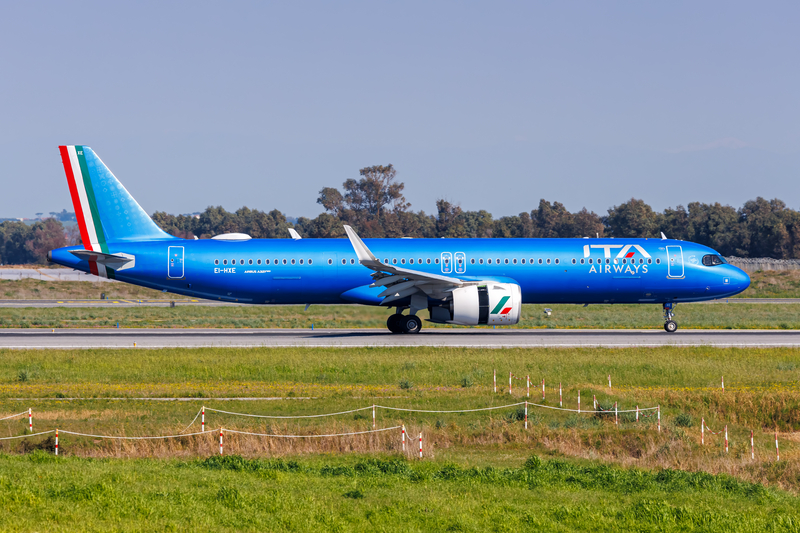
ITA Is Becoming The Group’s Fifth Network Airline
In strategic terms, ITA is already being treated as Lufthansa Group’s fifth network airline.
That places it alongside:
- Lufthansa
- SWISS
- Austrian Airlines
- Brussels Airlines
That matters because it confirms Lufthansa sees ITA not as a peripheral acquisition or feeder brand, but as a core network carrier inside the group. The Italy market is simply too large and too strategically important for anything smaller.
The Remaining 10% Still Matters Politically
Even though 10% looks small, it is not irrelevant.
The Italian government retaining a minority stake helps soften the political optics of the transaction. National airlines still carry symbolic importance, especially in countries where aviation is tied closely to identity, connectivity, and economic strategy. Keeping a state presence, even a small one, gives the transaction a more balanced domestic presentation in Italy.
That may be one reason the structure now appears to be 90/10 rather than immediate full ownership.
Lufthansa’s Wider Consolidation Push Continues
This move also fits a broader pattern inside Lufthansa Group.
The company continues to strengthen and refine its portfolio, with its network carriers, leisure units, cargo interests, and minority airline stakes all part of a larger European consolidation story. ITA is one of the most important pieces of that strategy because it gives Lufthansa a stronger position in Italy, one of Europe’s biggest aviation markets.
That is why this deal matters beyond ITA itself. It is part of how Lufthansa is shaping its future map of influence across Europe.
Bottom Line
Lufthansa’s move to raise its stake in ITA Airways from 41% to 90% is a major step, but it also feels like the formal confirmation of something that is already true in practice: ITA is becoming a Lufthansa Group airline in almost every important way.
The deal still needs regulatory approval and will not formally close until early 2027, but the strategic direction is now unmistakable. Lufthansa is not just investing in ITA. It is absorbing it into the heart of its network strategy, while Italy keeps a symbolic 10% stake and Rome becomes an even more important part of the group’s future.
Keep reading FlyMag
Get the Daily Brief in the morning or the Route Watch weekly recap on Fridays. Or both.