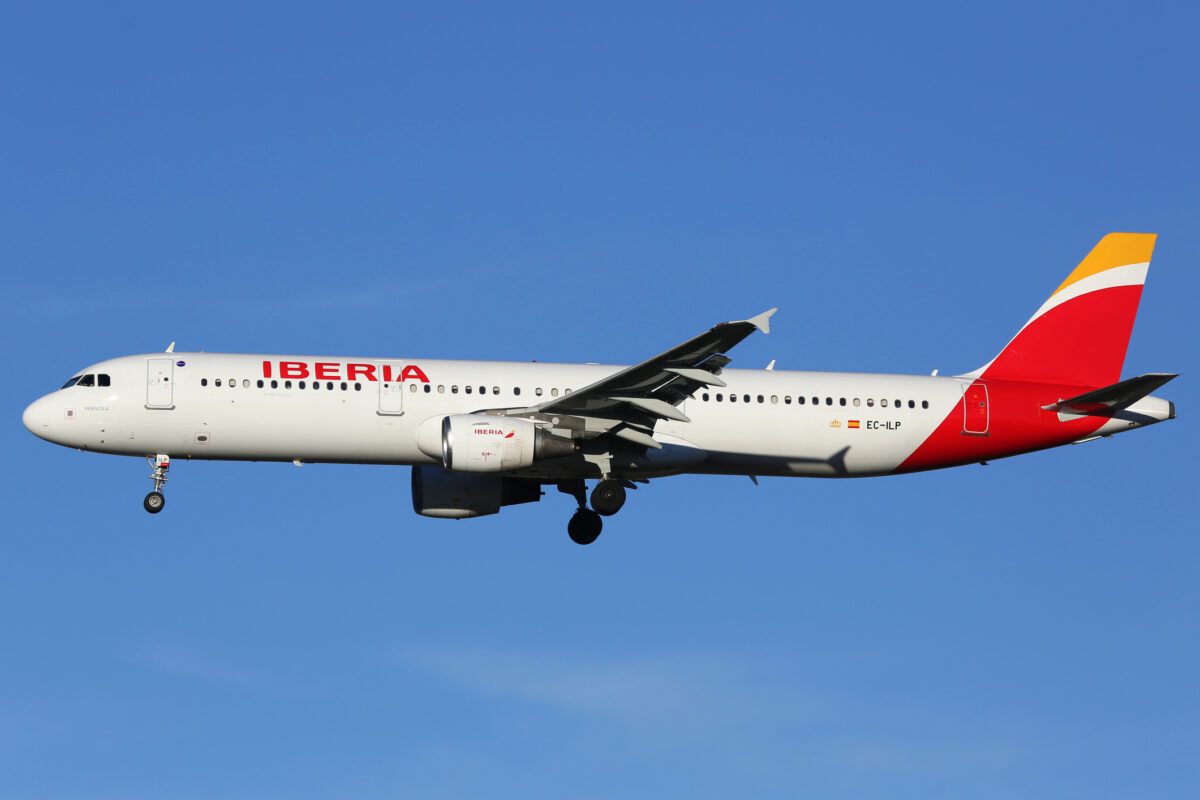
Iberia has removed, or is preparing to remove, six destinations that appeared in its 2026 schedule, but the changes do not constitute a single round of route cancellations.



The list comprises Cagliari (CAG), Faro (FAO), Innsbruck (INN), Tirana (TIA), Andorra–La Seu d’Urgell (LEU) and Valencia, Venezuela (VLN). Three were planned summer services, Innsbruck was part of Iberia’s winter leisure program, the Andorra route is passing to another operator under a new government contract, and Valencia was a temporary substitute for earthquake-damaged Caracas infrastructure.
The distinctions matter. Iberia entered 2026 with a larger overall network and described its summer program as a record schedule with more than 21 million seats. The disappearance of these six points therefore reflects several unrelated timetable and operational decisions rather than a broad withdrawal from international markets.
Read our stories in your inbox
Two aviation newsletters. Zero fluff.
Cagliari, Faro and Tirana Were Summer Routes
Cagliari, Faro and Tirana were all designed around summer demand from Madrid (MAD). Iberia’s own 2026 summer schedule announcement identified Cagliari and Tirana as seasonal destinations, placing them alongside the airline’s recurring leisure services to Mediterranean islands, the Balkans and Atlantic vacation markets.
Cagliari was offered up to three times weekly as part of Iberia’s Sardinia schedule. The carrier also served Olbia, giving it access to two different catchments on the island during the peak vacation period. Iberia’s flights to Cagliari concluded in September as planned rather than being removed partway through an operating season.

Tirana also returned with up to three weekly flights. Iberia first introduced the Albanian capital as a scheduled route in 2024 after testing the market with charter flying. The airline has subsequently treated Tirana as a recurring summer destination, with the 2026 operation again concentrated in the months when outbound Spanish leisure demand is strongest.
Faro followed the same broad pattern. Iberia marketed the Algarve destination for summer travel and retained Madrid–Faro booking inventory through September. The route has repeatedly appeared and disappeared with Iberia’s seasonal timetable, while Lisbon and Porto provide the airline with its principal year-round Portuguese network.
These three exits are therefore better understood as the normal closure of the summer schedule. Whether they return in 2027 will depend on the next seasonal program, but their absence from the November timetable does not by itself indicate that Iberia has abandoned the markets.
Innsbruck Did Not Return for a Third Winter
Innsbruck is the clearest conventional network cut among the six destinations. Iberia launched the Austrian route for the 2024-2025 winter and brought it back for a second season, operating twice weekly between December 21, 2025, and April 5, 2026.

The airline’s published winter program assigned the route a 186-seat Airbus A320neo. That aircraft gave Iberia enough capacity for concentrated ski and holiday traffic while retaining the narrowbody economics and belly capacity of its mainline European fleet.
Innsbruck has not been included in Iberia’s 2026-2027 winter offering. The route’s April disappearance was therefore the planned end of its second season, although the lack of a subsequent return means the Austrian airport is no longer part of the current Iberia network.
Air Nostrum’s Andorra Contract Ends in December
The Madrid link with Andorra–La Seu d’Urgell is a different case because it is flown by Air Nostrum under the Iberia Regional brand and supported through an Andorran government contract.
Air Nostrum’s current agreement runs through December 31, 2026. From January 1, 2027, Chalair Aviation will assume the Madrid and Palma services and add a new Paris-Orly connection. The airport authority’s announcement says the incoming operator will base an aircraft at LEU and eventually increase Madrid to three weekly flights.
Iberia-branded service is consequently leaving LEU, but the Madrid route itself is not being eliminated. It is changing operators following a new tender. The small regional market also sits outside Iberia mainline’s conventional Madrid network planning, with the government contract determining the operator, frequency structure and continuity of service.
Valencia Was a Temporary Venezuela Alternative
Valencia is the most unusual destination on the list. Iberia did not add VLN as a normal long-term replacement for Caracas. It moved Venezuelan operations there after earthquakes damaged facilities at Maiquetía (CCS), while also using the airport for humanitarian missions.
On July 1, Iberia operated an Airbus A330-200 humanitarian flight from Madrid to Valencia carrying medical personnel and more than a metric ton of additional relief supplies. The widebody was also suited to the temporary passenger operation because it could preserve much of the capacity normally assigned to the Caracas route while carrying substantial baggage and cargo over the Atlantic.
Iberia later extended its temporary VLN operation through August 30 while Maiquetía remained unavailable. When Caracas began reopening in September, the airline started restoring its established operation there and withdrew from Valencia.
The end of VLN flights was therefore the completion of a contingency operation, not the cancellation of an established destination. It returned Iberia’s Venezuelan flying to the airport and market the airline had served before the earthquakes.
Bottom Line
Iberia’s six disappearing destinations illustrate how misleading a simple comparison between two timetable dates can be. Cagliari, Faro and Tirana were built to absorb summer leisure demand; Innsbruck was a limited winter experiment; Valencia existed because an emergency temporarily displaced the Caracas operation. Only Innsbruck currently resembles a straightforward decision not to renew a route.
The Andorra change is more significant for Iberia Regional than for Iberia’s Madrid hub. Air Nostrum is losing a government-supported contract, while the underlying Madrid connection will continue with Chalair Aviation and is scheduled to grow. The passenger market remains served, but the Iberia code, distribution relationship and Madrid feed arrangement will change with the new operator.
The next useful indicators will be Iberia’s 2027 summer schedule and any later additions to its winter leisure portfolio. A return of Cagliari, Faro or Tirana would confirm that their disappearance was routine seasonal rotation. Innsbruck, by contrast, will require a fresh commercial commitment if it is to rejoin the network.