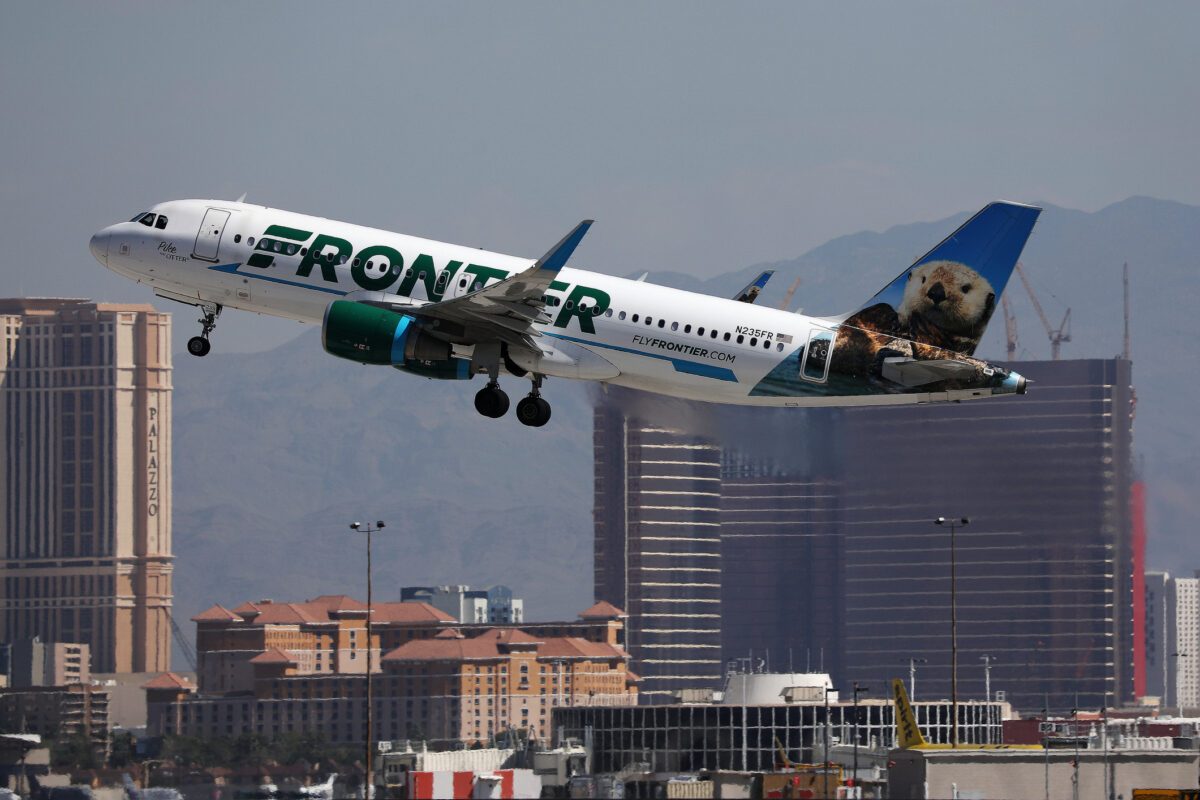
Frontier Airlines is extending the introduction of its first-class cabin into 2027, making a fleetwide retrofit part of a wider overhaul that also includes Starlink connectivity, new digital platforms and changes to its loyalty program.

The carrier’s current plan centers on a two-by-two seat in the first two rows of its aircraft. Frontier says the product is being introduced during 2026 and will progressively replace UpFront Plus, its existing front-cabin option with a blocked middle seat.
Management placed the broader modernization program across 2026 and 2027 in its full-year 2025 results presentation. The listed projects included the fleetwide rollout of first-class seating, onboard Wi-Fi, an upgraded website and mobile app, and improved digital communications.
Read our stories in your inbox
Two aviation newsletters. Zero fluff.
The timeline represents a substantial extension from Frontier’s original target. When the airline announced the seats in December 2024, it said they would debut in late 2025. By October 2025, the planned introduction had moved to early 2026. Frontier’s current customer guidance says installations are taking place throughout 2026, with the wider commercial modernization continuing into 2027.
Two-by-Two Seats Replace the Blocked-Middle Product
Frontier’s first-class product is a physical cabin change rather than another method of merchandising its standard slimline seats. The airline’s seating guide describes a two-by-two layout at the front of the aircraft, replacing the normal three-by-three arrangement in the first two rows.
That distinction matters because UpFront Plus does not use a different seat. Frontier sells the window and aisle positions while keeping the middle seat empty, providing more lateral space but retaining the standard economy seat structure. Installing two wider seats on each side of the aisle turns that commercial workaround into a dedicated hard product.
The change should leave Frontier with eight sellable places across the first two rows, the same number offered when the four middle seats are blocked under UpFront Plus. The aircraft will, however, carry four fewer physical seats after those rows are converted from three-by-three to two-by-two. That allows Frontier to improve the product without sacrificing the premium inventory it already markets in the same cabin area.
Frontier has not presented the cabin as an international-style premium service. It is instead another layer in the airline’s unbundled pricing structure: a larger seat that can be sold separately, incorporated into bundles or used as an upgrade benefit for loyalty members.
The carrier’s revised Frontier Miles benefits provide complimentary upgrades to UpFront Plus or first class for eligible members four hours before departure when they purchase qualifying Economy or Premium bundles. That structure protects advance seat revenue while using unsold premium inventory to strengthen loyalty closer to departure.
A Retrofit Across Four Airbus Subfleets
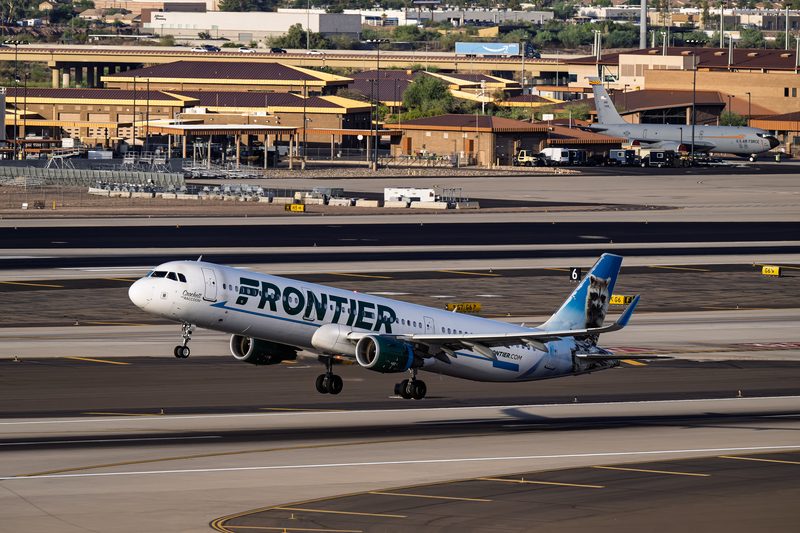
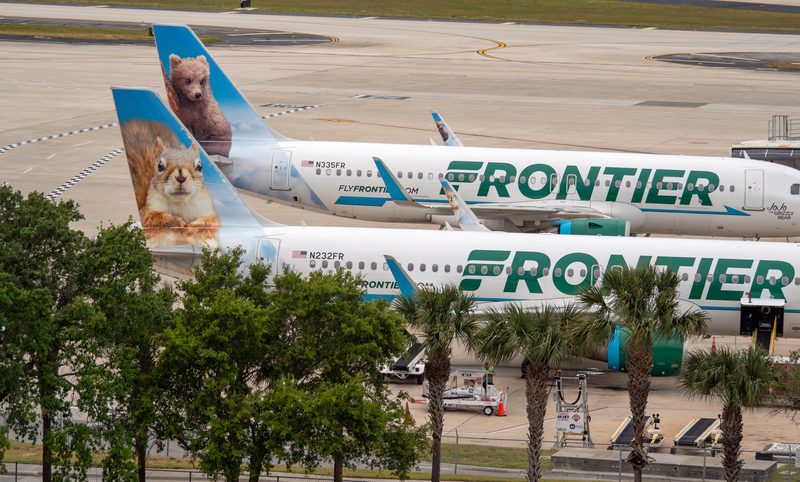
Frontier operated 165 Airbus single-aisle aircraft at June 30, 2026, according to its second-quarter fleet report. The fleet comprised 72 Airbus A320neos, six Airbus A320ceos, 21 Airbus A321ceos and 66 Airbus A321neos.
The A320neo is configured with 186 seats, while Frontier’s A321neo carries 240. The older A321ceo has 230 seats, and its remaining A320ceos have between 180 and 186. A fleetwide program therefore requires installations across aircraft with different cabin lengths, generations and existing seat plans.
The high-density A321neo is especially important to Frontier’s economics. Its 240-seat layout gives the airline more seats per departure and spreads crew, airport and ownership costs across a larger passenger base. Adding a compact premium section in only the first two rows preserves almost all of that density while creating a higher-value product at the front of the cabin.
Frontier is also reshaping the fleet while preparing the retrofit. During the second quarter, it returned 24 leased A320neos under an early-return agreement, accepted two A320neos and four A321neos, and ended June with 18 fewer aircraft than it had three months earlier. The smaller base reduces the immediate number of aircraft requiring modification, while incoming A321neos will continue to increase the proportion of high-capacity aircraft in the fleet.
Premium Segmentation Without a Network-Airline Cost Base
The first-class project is one element of Frontier’s effort to increase revenue from customers willing to pay for more space, flexibility and convenience. Its fare structure already includes Standard, Preferred and Premium seating, UpFront Plus, bundled baggage and boarding benefits, and paid or status-based seat upgrades.
Frontier told investors in its 2025 annual filing that premium seating and onboard Wi-Fi are intended to broaden the airline’s appeal, support customer loyalty and create additional ancillary revenue while preserving its low-fare foundation.
Connectivity will follow a similar timetable. Frontier plans to place its first Starlink-equipped aircraft into service in early 2027. Together, the larger seats and broadband connection address two of the clearest product gaps between Frontier and the U.S. network carriers, particularly for passengers traveling on business or purchasing at short notice.
Bottom Line
Frontier’s shift is less a rejection of the ultra-low-cost model than an attempt to extract more revenue from the same narrowbody cabin. The airline can retain a low entry fare and high overall seat density while charging more for a small number of differentiated seats. Because UpFront Plus already removes the middle positions from sale, the two-by-two conversion turns space Frontier has been monetizing indirectly into a more credible premium product.
The extended rollout also shows the operational burden behind what appears to be a modest two-row retrofit. Frontier must coordinate seat supply, certification, maintenance downtime and cabin work across 165 aircraft and four Airbus variants while continuing to receive new A320neo-family aircraft. A phased program running into 2027 gives the carrier more room to align installations with scheduled maintenance and aircraft deliveries.
The measure of the strategy will be whether Frontier can generate a meaningful premium from eight front-cabin seats without adding the service complexity associated with a traditional domestic first-class cabin. If the seats, Starlink and revised loyalty benefits improve conversion among higher-spending passengers, Frontier will have broadened its market while keeping the cost and density advantages on which the airline is built.
Keep reading FlyMag
Get the Daily Brief in the morning or the Route Watch weekly recap on Fridays. Or both.