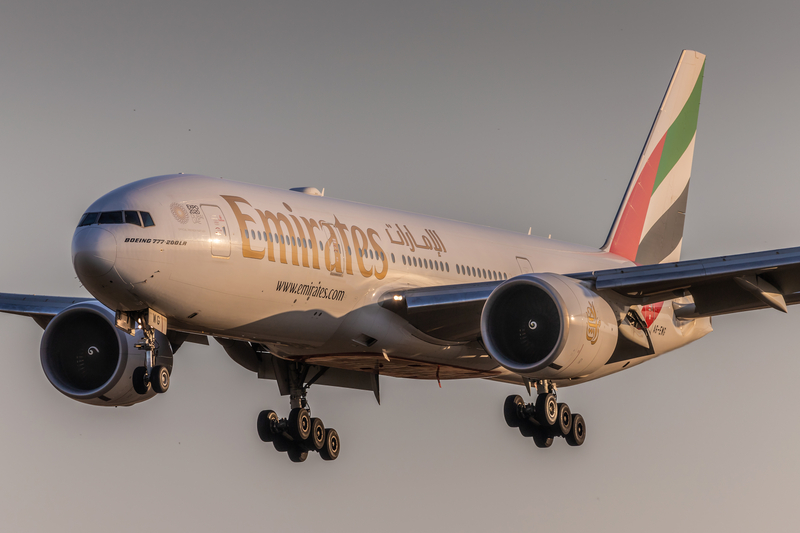
Emirates has confirmed it will end service to Algeria, with its last scheduled flight, EK757, set to depart Algiers Houari Boumediene Airport (ALG) on February 3, 2027. The decision follows Algeria’s move to formally start the termination process for its 2013 air services agreement with the United Arab Emirates—an escalation in bilateral friction that has now spilled directly into aviation policy.

For now, Emirates says operations remain normal and passengers should proceed with existing bookings during the notice period. The runway-level reality is that nothing changes immediately at ALG or Dubai International (DXB)—but the clock is now running on one of the Gulf carrier’s more niche North Africa links.
What Algeria’s termination process means in practice
When a state triggers withdrawal from a bilateral air services agreement, the outcome is typically determined by three factors: the agreement’s notice period, the political appetite to reverse course, and whether a replacement framework can be negotiated before the clock expires.
Read our stories in your inbox
Two aviation newsletters. Zero fluff.
In this case, Algeria initiated the termination process under the withdrawal mechanism in the UAE–Algeria air pact. That procedure requires formal notification through diplomatic channels, and the agreement remains in force during the notice period. For airlines, that distinction matters: it allows carriers to keep publishing schedules, selling inventory, and operating flights while governments decide whether this is a negotiating tactic or a hard policy break.
The route Emirates is walking away from: DXB–ALG on the Boeing 777
Emirates has served DXB–ALG since March 2013, gradually building the route as demand matured. In its current form, the airline has been operating up to six weekly frequencies between Dubai (DXB) and Algiers (ALG)—typically with the Boeing 777-300/777-300ER.
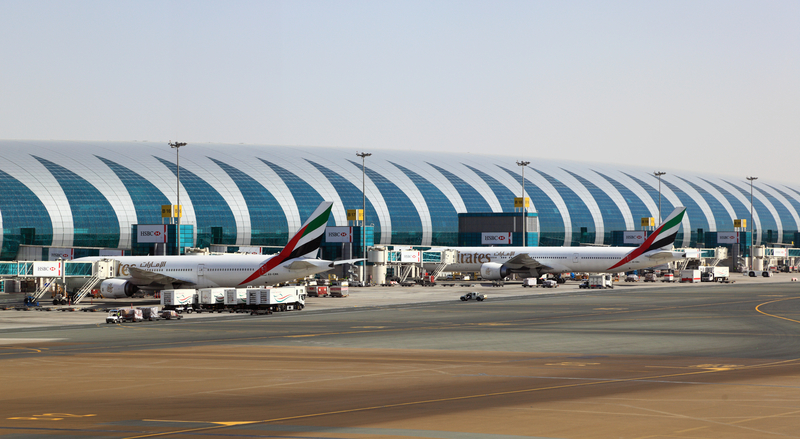
From an operations standpoint, the 777 is the logical aircraft for this market:
-
Payload and cargo flexibility: The 777’s belly-hold volume matters on routes that carry a mix of passenger bags, commercial cargo, and time-sensitive shipments.
-
Range and performance margin: DXB–ALG is well within the 777’s long-haul envelope, allowing Emirates to maintain robust dispatch reliability without the payload compromises that can bite smaller widebodies.
-
Cabin segmentation: Emirates can sell the route across multiple cabins (including premium demand and connecting traffic over DXB) while still supporting price-sensitive flows.
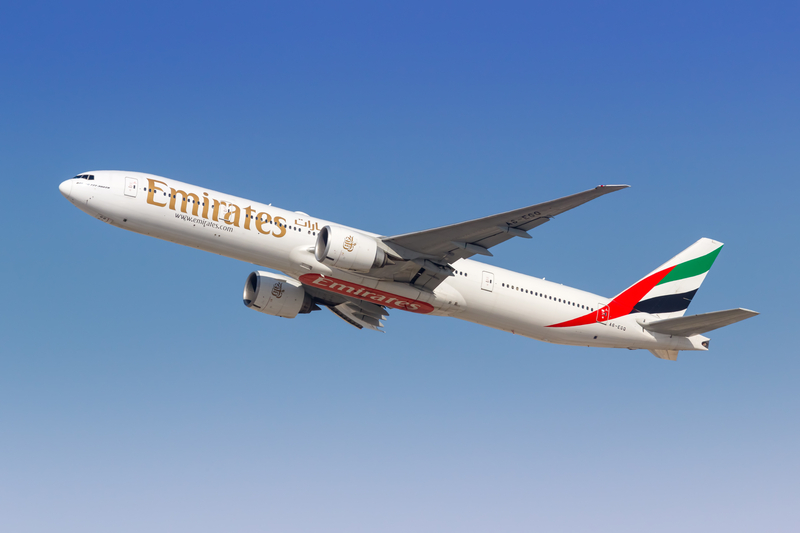
The service is also notable because Emirates has effectively been the only UAE carrier operating to Algeria, making the route uniquely exposed to state-to-state policy swings.
Why this matters for Algeria: connectivity and network optionality
Emirates’ presence at ALG isn’t just about point-to-point Dubai demand. The airline’s real value proposition has been DXB as a global hub—linking Algeria to:
-
the Indian subcontinent and Southeast Asia,
-
parts of East Africa,
-
and long-haul flows into Australia and the wider Asia-Pacific network.
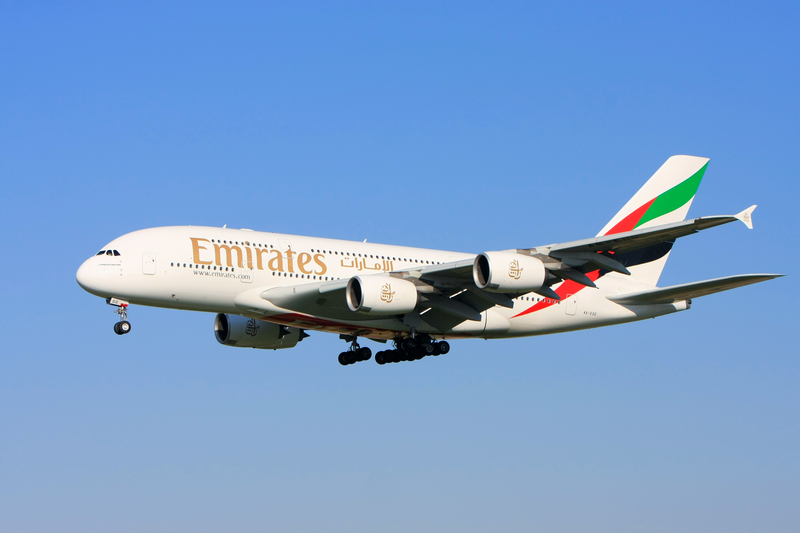
When a Gulf hub carrier exits a market, the replacement isn’t always another nonstop. In many cases, traffic shifts to one-stop itineraries via alternative hubs. For Algeria-bound travelers, that typically means routing via hubs such as Istanbul (IST), Doha (DOH), and major European gateways like Paris (CDG) or Frankfurt (FRA)—depending on schedule, pricing, and onward connections.
For corporate accounts and energy-sector travel—which often value predictable connections and baggage simplicity—an announced end date is helpful even if the outcome remains fluid. It provides a concrete window for contracting, policy updates, and re-routing planning well before the last departure.
What Emirates is signaling with the February 2027 cutoff
The specificity of “last flight on February 3, 2027” is telling. Airlines rarely publish a final date unless they believe the regulatory pathway to continued operation is genuinely at risk. At the same time, the long lead time suggests this is still a managed unwind rather than an abrupt suspension.
Operationally, this approach gives Emirates room to:
-
maintain schedule stability through the notice period,
-
protect customer confidence and minimize day-of-travel disruption,
-
and keep optionality if diplomatic conditions shift and a revised agreement is reached.
Bottom Line
Emirates has put a firm end date on its Algeria operation, with EK757 departing Algiers (ALG) on February 3, 2027 currently set as the last scheduled flight. The trigger is Algeria’s formal move to terminate its 2013 UAE–Algeria air services agreement, a diplomatic fracture now translating into an aviation network rupture. Until then, DXB–ALG continues as normal—typically flown by the Boeing 777-300/777-300ER—but the route’s long-term viability now depends less on passenger demand and more on whether the two states choose to rebuild the regulatory bridge before the notice period expires.
Keep reading FlyMag
Get the Daily Brief in the morning or the Route Watch weekly recap on Fridays. Or both.
Share this story
Composed for each network — click to share, or copy the composed text for your own timing.