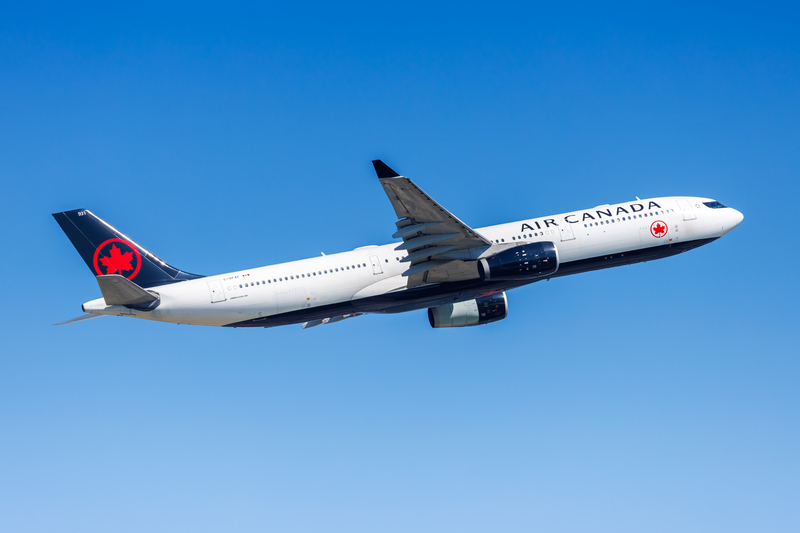
Air Canada has cancelled its seasonal nonstop service between Montréal–Trudeau International Airport (YUL) and Houari Boumediene Airport (ALG), eliminating what had been its longest route to Africa by distance and leaving the airline with just one African destination in its network.
The move is notable because Algiers was not a fringe experiment. It was a targeted seasonal route with a clear traffic base, centered on strong Algerian and broader Francophone demand between Quebec and North Africa. Air Canada had planned to resume the service on June 1 with four weekly Airbus A330-300 flights, but the route has now been removed from the summer 2026 schedule.
For aviation readers, the most interesting part is not simply that Air Canada cut a route. It is that the airline chose to drop a long-standing seasonal Africa service at a moment when fuel costs are sharply higher and route-by-route economic discipline is clearly tightening.
Read our stories in your inbox
Two aviation newsletters. Zero fluff.
Montreal–Algiers Had A Clear Market Logic
The YUL-ALG route existed for a reason.
Montreal has one of the most important Francophone catchments in North America, and that naturally creates stronger travel ties with North Africa than many other Canadian airports could support. Algeria, in turn, has long had meaningful demand links into Quebec, combining family traffic, visiting-friends-and-relatives demand, and a degree of leisure and business movement.
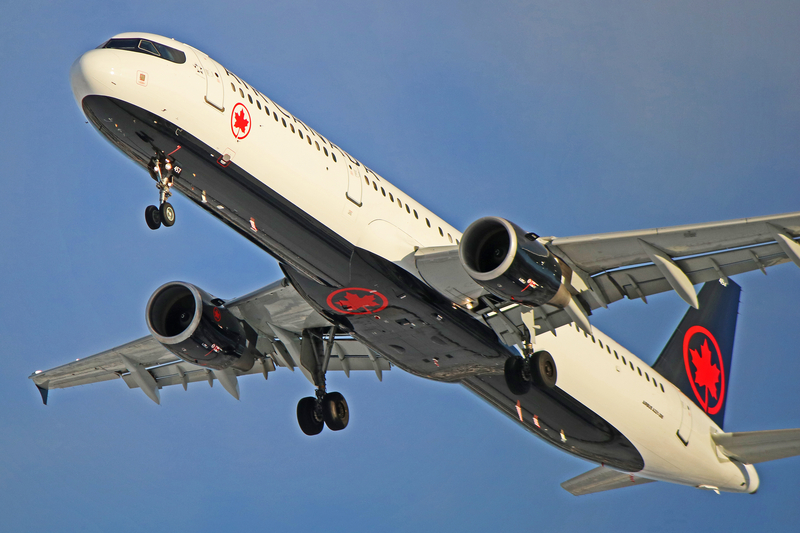
That made the route a distinctive fit for Air Canada. It was not a broad leisure gamble. It was a specialized long-haul market with a relatively clear cultural and linguistic demand base.
The Route Was Seasonal, But It Was Established
Air Canada has served Algiers seasonally since 2017, generally operating the route during the Northern Hemisphere summer.
That matters because this was not a brand-new launch being pulled before it got going. It was an established seasonal service with a track record. The fact that it has now been cut completely for summer 2026 makes the decision more telling. Airlines are usually more willing to protect routes they already know and understand, especially ones with diaspora support and little direct Canadian competition.
So the cancellation suggests the current cost environment is forcing Air Canada to be more ruthless than usual about what stays and what goes.
Fuel Economics Appear To Be The Deciding Factor
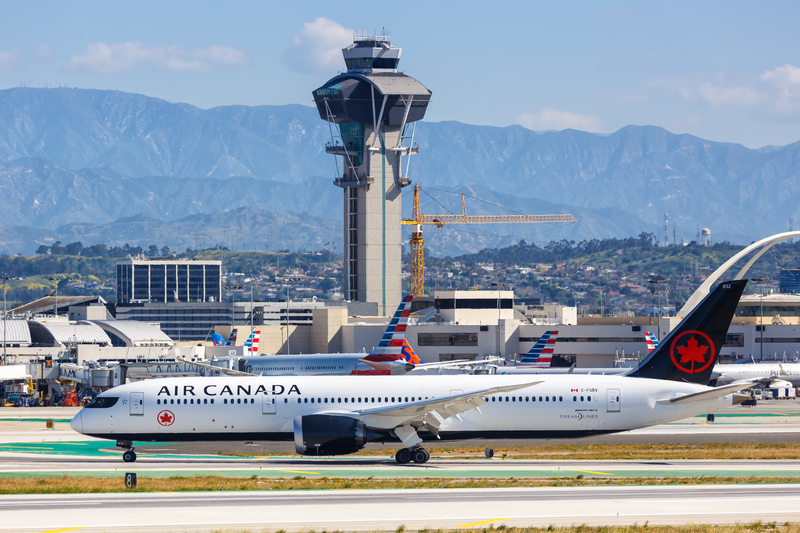
Air Canada has said more broadly that higher jet fuel prices linked to the Iran conflict have made some routes uneconomical.
That context matters here. A route like Montreal (YUL) to Algiers (ALG) is long enough that fuel is a major part of the cost equation, but not necessarily premium-heavy enough to absorb a sudden jump in operating expense. Once jet fuel rises sharply, long-haul seasonal routes with thinner margins become much more vulnerable.
That is why Algiers looks like the kind of route that gets cut first. It has clear demand, but likely not enough pricing power to easily offset a severe cost shock.
Air Algérie Will Keep The Market Served
The Montreal–Algiers market is not disappearing entirely.
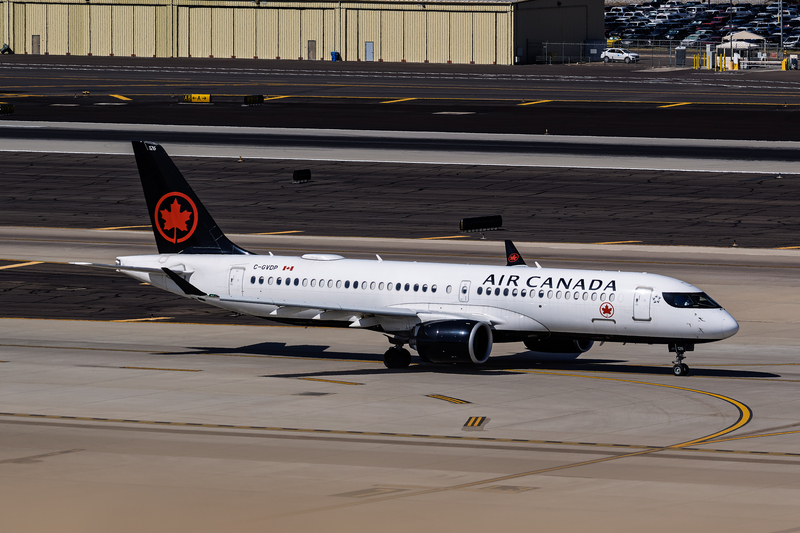
Air Algérie will continue to serve the city pair, maintaining direct service between Montréal–Trudeau International Airport (YUL) and Algiers (ALG). That softens the passenger impact considerably, because the market still retains a nonstop option even though Air Canada is exiting for the season.
It also means the cancellation is more about Air Canada’s network choices than about the total viability of the market itself. The route can still work for an airline with a different cost base, network logic, and strategic role in Algeria.
This Leaves Air Canada With Just One African Route
Once Algiers is removed, Air Canada is left with only one African destination: Casablanca Mohammed V Airport (CMN) from Montreal.
That is an important detail because it shows how limited Air Canada’s African network has become. Casablanca remains the lone surviving African link, supported by strong Moroccan diaspora traffic in Quebec and by the route’s broader commercial logic. But beyond that, the airline has effectively pulled back to a single North African market.
For a carrier of Air Canada’s size, that is a very narrow African footprint.
Casablanca Is Stronger, But Also Competitive
Even the remaining route to Casablanca is not an uncontested market.
Air Canada faces competition there from Royal Air Maroc, while Air Transat also operates long-haul Morocco service from Montreal, albeit to Marrakesh rather than Casablanca. That makes Air Canada’s Africa presence both small and exposed. It has one surviving route, but it is not protected from competition.
That reality makes the Algiers cut even more striking. Rather than preserving two North African markets and defending a small but useful regional position, Air Canada has chosen to consolidate around one.
The Bigger Story Is Network Tightening, Not Algeria Alone
The Algiers cancellation should probably be viewed less as a verdict on Algeria and more as part of a broader pattern.
Air Canada has already been making other schedule reductions in response to high fuel prices, and that suggests management is looking closely at any route where margins are vulnerable. In that environment, a long-haul seasonal service with limited premium upside can quickly move from justifiable to expendable.
That is likely what happened here.
Bottom Line
Air Canada’s cancellation of its summer 2026 Montreal–Algiers service is a meaningful network retreat, not just a small seasonal tweak. It removes the airline’s longest African route by distance, leaves Air Canada with just one African destination, and shows how quickly higher fuel prices can change the economics of niche long-haul flying.
The Montreal–Algiers market itself is not disappearing, because Air Algérie will continue to operate it. But for Air Canada, the decision is a clear sign that cost discipline is now outweighing network breadth in markets where margins have become too thin to defend.
Keep reading FlyMag
Get the Daily Brief in the morning or the Route Watch weekly recap on Fridays. Or both.