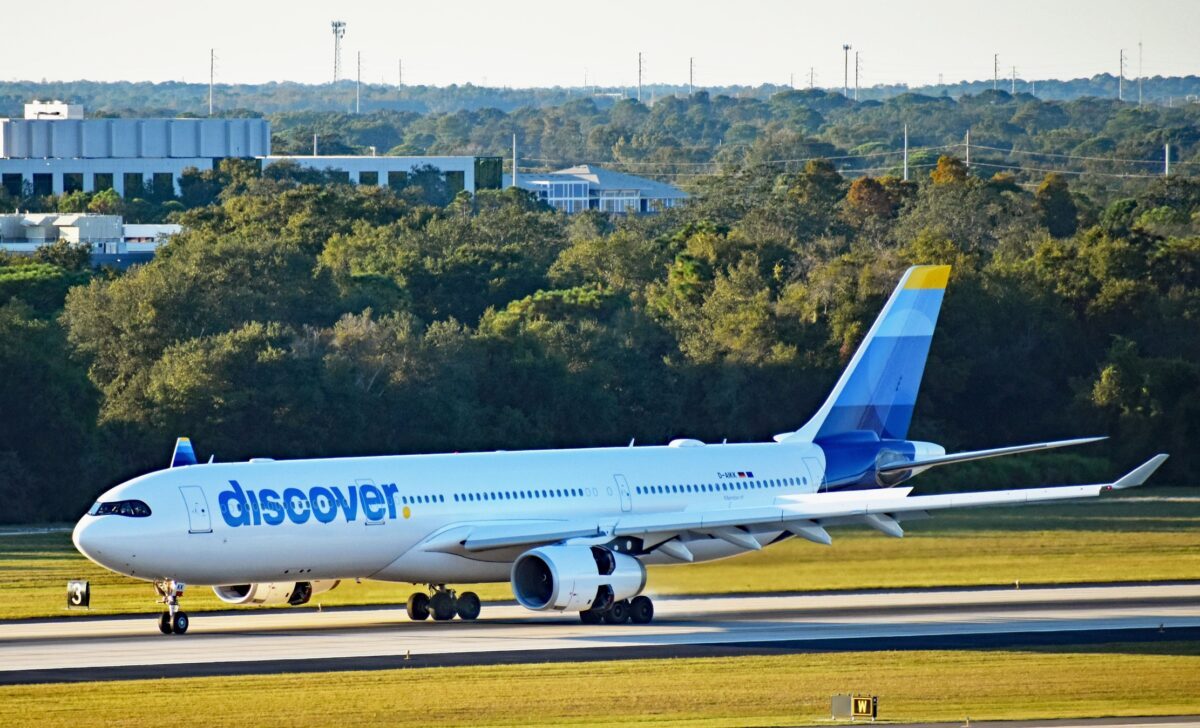
Discover Airlines is returning its Windhoek operation to its regular nonstop pattern after a local aviation fuel shortage forced some Europe-bound flights to make technical stops in Angola.

The Lufthansa Group leisure carrier’s published schedule again shows nonstop service from Windhoek Hosea Kutako (WDH) to Frankfurt (FRA), with seats available across the coming weeks. Discover ordinarily operates daily between the two cities, supplemented by three weekly flights between Windhoek and Munich (MUC).
The disruption did not amount to a suspension of the Windhoek routes. Instead, aircraft departing Namibia stopped at Luanda (NBJ) to take on fuel before continuing to Germany. Passengers remained aboard during the additional sector.
Read our stories in your inbox
Two aviation newsletters. Zero fluff.
Removing that stop restores the block times, aircraft routings and European connections around which Discover’s Namibia schedule is built. The airline’s published Windhoek-Frankfurt schedule lists flight 4Y133 leaving WDH at 7:15 p.m. and reaching FRA at 5:25 a.m. the following day, a scheduled journey of 10 hours and 10 minutes. The inbound 4Y132 leaves Frankfurt at 9:55 p.m. and arrives in Windhoek at 8:10 a.m.
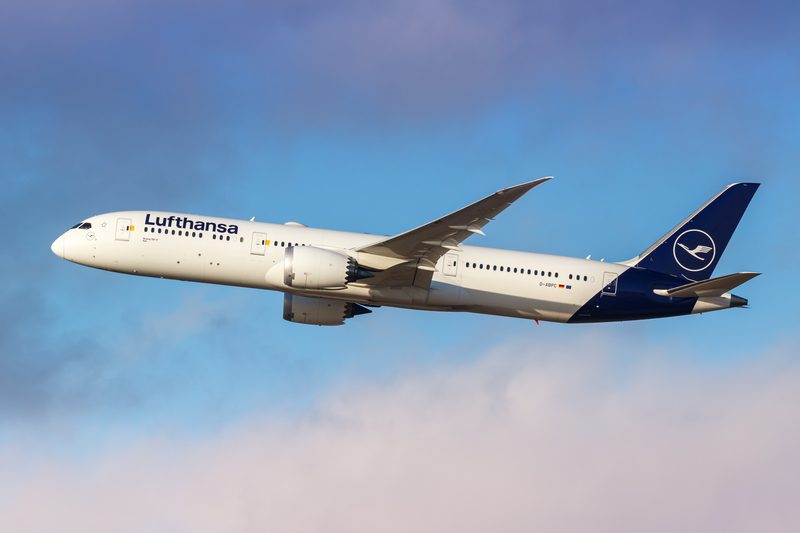
Fuel Shortage Forced Technical Stops in Luanda
The temporary operating pattern followed the rejection of a Jet A-1 consignment after routine quality testing at Walvis Bay. The affected fuel was quarantined before entering the aviation supply chain, but its removal tightened availability at WDH.
For Discover, the practical solution was to depart Windhoek with sufficient fuel for the relatively short sector to Luanda, refuel there and continue to Frankfurt or Munich. The arrangement kept the long-haul schedule moving but introduced another takeoff, landing and ground stop into each affected rotation.
The impact extended beyond the additional flying time. A technical stop brings added fuel burn, navigation and airport charges, while reducing the margin available for recovering delays before the aircraft’s next assignment. It also exposes passengers to missed onward connections at Frankfurt and Munich, even when the original departure from Windhoek remains close to schedule.
The episode demonstrated the difference between nominal storage capacity and immediately available, certified fuel. Namibia has invested in storage and testing infrastructure, including facilities at Walvis Bay described by the country’s Ministry of Industries, Mines and Energy. A quality failure affecting an incoming cargo can nevertheless remove a significant volume from circulation at short notice.
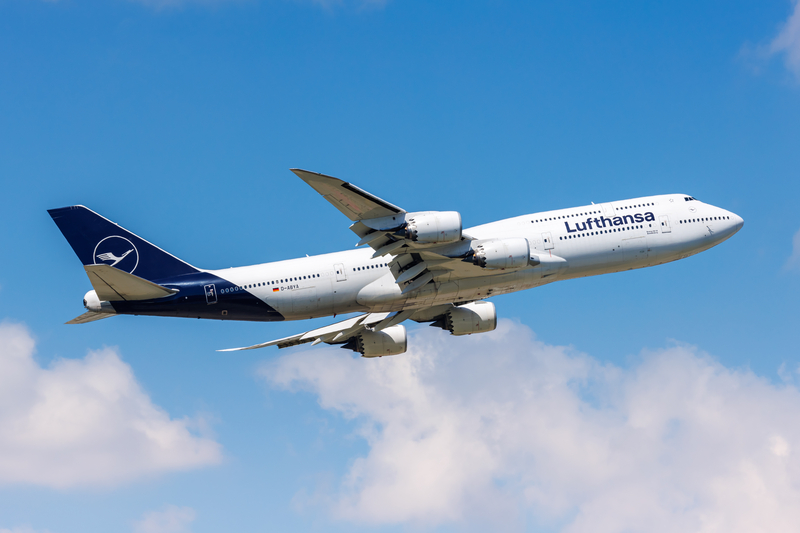
Ten Weekly Flights Link Windhoek With Germany
Windhoek is one of Discover’s most established long-haul markets. The airline, then operating as Eurowings Discover, began flying from Frankfurt in August 2021. Its first WDH service used an Airbus A330-200, with the initial program comprising five weekly flights.
The launch marked the transfer of an important Lufthansa Group leisure market to the new carrier. The Namibia Airports Company recorded the first arrival on August 11, 2021, before the Frankfurt service grew to a daily operation.
Discover added Munich-Windhoek flights in spring 2025, giving the airline a second German gateway into Namibia. The carrier currently operates that route three times weekly, bringing its combined Frankfurt and Munich schedule to 10 round trips per week.
The network is set to expand again in April 2027. Discover has announced two additional weekly Munich frequencies, raising that route to five flights per week and the airline’s total Windhoek schedule to 12. The expanded service will operate on Mondays, Wednesdays, Thursdays, Fridays and Sundays, while Frankfurt remains daily.
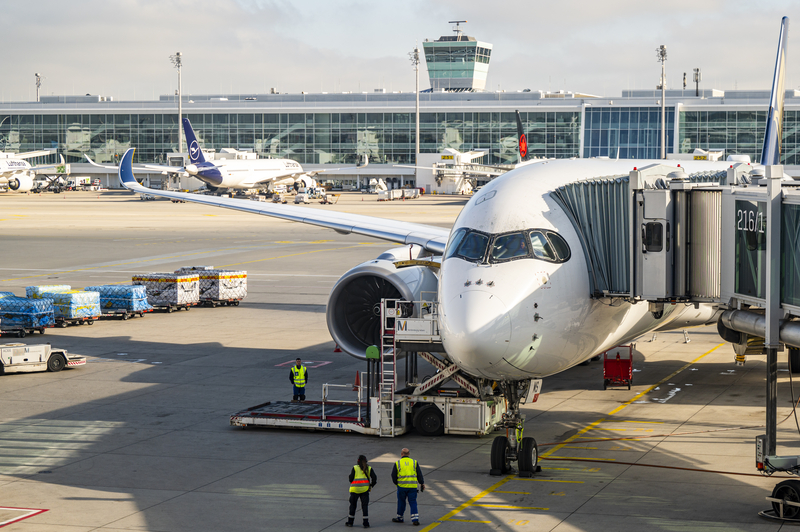
In announcing the increase, Discover said Windhoek had produced consistently strong bookings. The carrier’s 2027 schedule places the additional flights on a year-round basis rather than limiting them to Namibia’s peak tourism season.
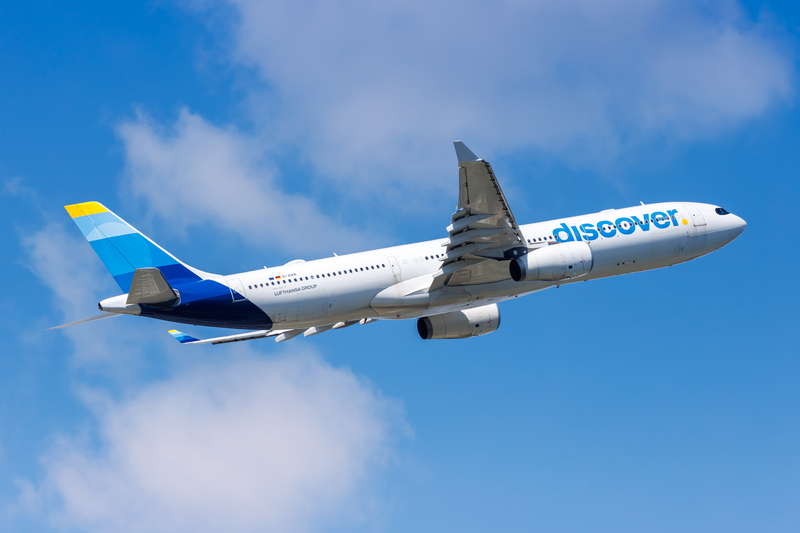
Airbus A330-300 Remains Central to the Route
Discover uses the Airbus A330-300 on its Windhoek services. The widebody is the core of the carrier’s long-haul operation and offers between 283 and 302 seats in its existing configurations, divided among Business, Premium Economy and Economy cabins.
Discover lists a range of 9,500 kilometers for the Airbus A330-300. That makes it well matched to the approximately 10-hour sectors between Namibia and Germany while providing the capacity required for leisure groups, visiting-friends-and-relatives traffic and connecting passengers moving through the Lufthansa Group network.
The carrier is also simplifying its long-haul fleet around the A330-300. Three remaining Airbus A330-200s are due to leave during 2026, while additional A330-300s will take the long-haul fleet to 16 aircraft. Discover plans to introduce its Ocean Blue cabin from 2027, with each refurbished aircraft carrying 288 passengers: 30 in Business Class, 31 in Premium Economy and 227 in Economy.
Windhoek could later become an Airbus A350-900 destination. Discover has identified the Namibian capital as a possible early market for the four A350s it plans to introduce from mid-2027, although it has not assigned the type to a specific schedule. The airline’s fleet plan calls for 40 aircraft by mid-2028.
Windhoek’s European Capacity Continues to Grow
The restoration of regular Discover operations comes during a broader expansion of European service at WDH. Edelweiss began seasonal Zurich (ZRH)-Windhoek flights in June 2026 and increased the route to three weekly services in July.
That schedule gives the Lufthansa Group 13 weekly nonstop departures from Windhoek to its Frankfurt, Munich and Zurich gateways during the overlapping season. The Namibia Airports Company said the additional Zurich frequency forms part of a wider increase in the country’s international connectivity.
Bottom Line
Returning to nonstop operation matters most for passengers connecting beyond Frankfurt and Munich. The schedules are designed to place Windhoek arrivals into morning banks at both German hubs; an added fuel stop erodes that advantage quickly, even when the underlying flight still operates. Removing Luanda from the routing also releases aircraft and crew time in a long-haul fleet that Discover is actively expanding but still needs to use tightly.
The incident is a reminder that route growth depends on ground infrastructure as much as aircraft availability and traffic demand. Windhoek is moving toward 12 weekly Discover flights in 2027, alongside seasonal Edelweiss capacity, making reliable Jet A-1 stocks increasingly important to the airport’s European schedule. A repeated disruption would impose disproportionate costs on the long sectors that account for much of WDH’s international capacity.
Attention now shifts to the resilience of Namibia’s aviation fuel supply and whether Discover proceeds with an A350 assignment once that fleet enters service. The airline’s planned capacity increase shows that the underlying Windhoek market remains strong; the operational priority is ensuring that airport services can support that growth without requiring costly contingency stops elsewhere in the region.
Keep reading FlyMag
Get the Daily Brief in the morning or the Route Watch weekly recap on Fridays. Or both.