Delta Air Lines is strengthening its Los Angeles International Airport (LAX) position again, this time by adding more lift to Florida for winter 2026.

The airline will launch new nonstop service to Palm Beach International Airport (PBI) on November 20, 2026, while increasing Orlando International Airport (MCO) to five daily flights from the same date and boosting Tampa International Airport (TPA) to three daily year-round flights from November 9.
On paper, this is a Florida story. In practice, it is a Los Angeles hub story. Delta is using one of the country’s strongest winter leisure geographies to deepen its relevance at an airport where scale, frequency, and premium positioning still matter enormously.
Read our stories in your inbox
Two aviation newsletters. Zero fluff.
Florida Is The Perfect Place For Delta To Add Seats
This is a smart area for Delta to grow.
Florida gives the airline a blend of leisure traffic, visiting-friends-and-relatives demand, and enough business travel to support multiple daily frequencies on key routes. It is also one of the most competitive parts of the domestic U.S. market, which makes any expansion there more meaningful than a token new-city announcement.
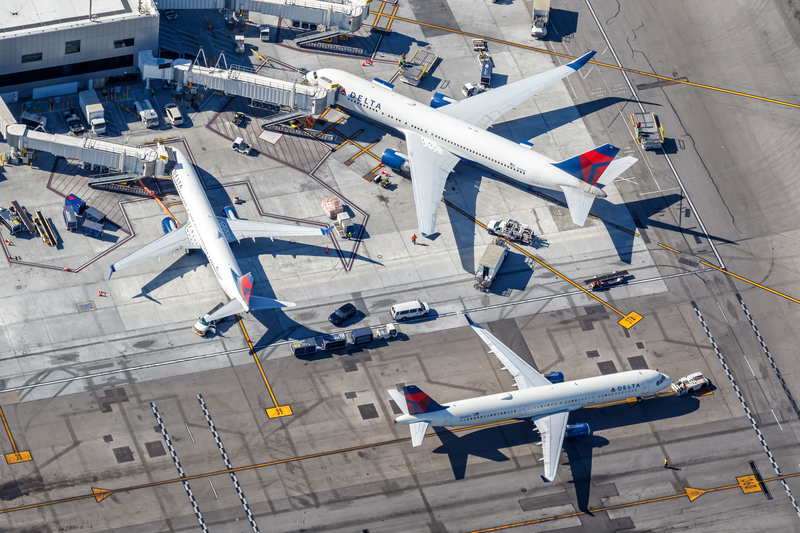
The new Palm Beach (PBI) service is the headline addition because it opens another South Florida gateway from LAX. But the increases to Orlando (MCO) and Tampa (TPA) may be just as important. Frequency matters on routes like these. More daily flights mean more flexibility, more relevance to different passenger segments, and a stronger overall footprint in one of the largest high-demand leisure corridors in the country.
By winter 2026, Delta says it will have 12 daily departures and 2,328 peak-day seats from Los Angeles to Florida, making it the airline’s biggest-ever LAX–Florida schedule.
The Airbus A321neo Is Doing Exactly What Delta Wants It To Do
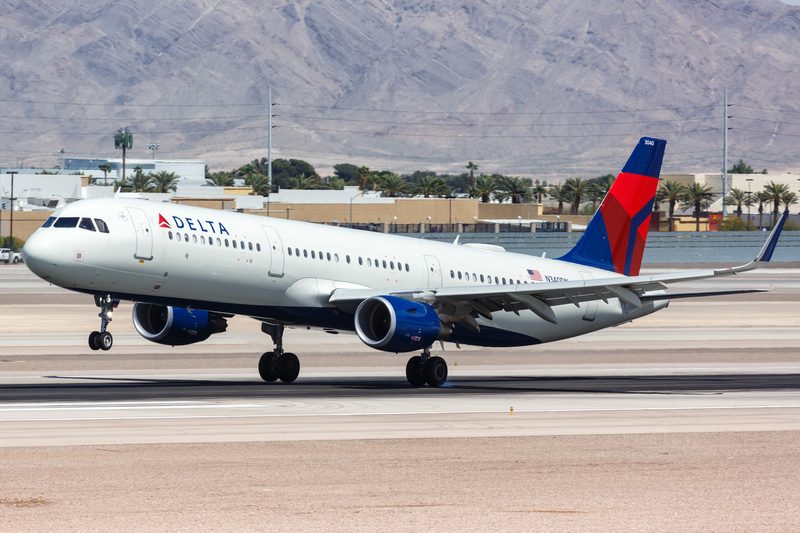
All three routes will be operated by Delta’s Airbus A321neo, and that is no accident.
The aircraft is configured with 20 domestic First seats, 42 Comfort+ seats, and 132 Main Cabin seats, giving Delta a strong premium mix on routes that still need substantial economy volume. For LAX, where Delta has made a very clear premium push, the A321neo is one of the best domestic tools in the fleet. It offers the seat count, the onboard product, and the economics the airline wants as it adds frequency without compromising the brand positioning it has been building in Los Angeles.
That matters because this is not just about adding flights. It is about adding the right flights with the right aircraft.
This Builds On A Much Broader LAX Push
The Florida growth does not stand alone.
Delta is already preparing to add three daily flights from LAX to Chicago O’Hare International Airport (ORD) in June 2026, a strategically important domestic addition that gives the airline service to all of the ten largest LAX demand cities. On the international side, it has resumed Shanghai Pudong International Airport (PVG), launched Melbourne Airport (MEL), and is preparing to start Hong Kong International Airport (HKG) from Los Angeles.
That combination matters. Domestic breadth gives Delta utility. Long-haul flying gives it prestige, premium relevance, and network strength. The airline is clearly trying to build both at once at LAX, and the Florida expansion fits neatly into that broader playbook.
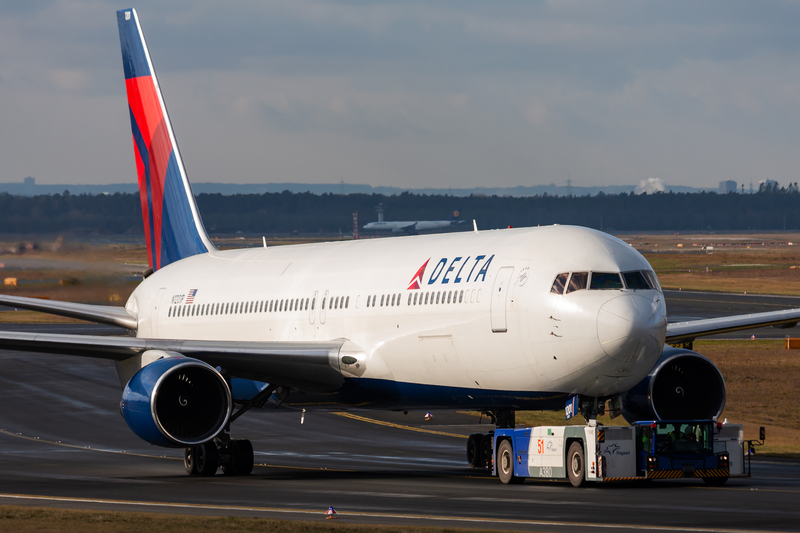
LAX Is One Of The Few U.S. Airports Where Delta And United Are In A Real Fight
That is what makes these route additions more interesting than they might appear.
Los Angeles is not a fortress hub. It is one of the few major U.S. airports where two large legacy airlines — Delta and United — are both serious contenders without either one fully owning the field. According to Los Angeles World Airports’ 2025 carrier statistics, Delta was the largest airline at LAX with 13.92 million passengers and an 18.9% market share, while United was second with 11.87 million passengers and a 16.1% share.
That is a close enough gap to keep the competition meaningful, especially when both carriers are investing aggressively.
United has made clear that it wants to grow further at LAX, and Delta has responded not by standing still, but by deepening its network and premium footprint. In that context, more flights to Florida are not just about demand. They are also about relevance and share.
Palm Beach Is The Most Interesting Addition
Palm Beach (PBI) is especially notable because it is not the most obvious Florida route to add from Los Angeles.
Miami (MIA), Fort Lauderdale (FLL), Orlando (MCO), and Tampa (TPA) are the higher-profile names. Palm Beach is different. It gives Delta another South Florida option with a somewhat more premium and specialized local profile, and it helps broaden the airline’s appeal in a state where airport choice can matter almost as much as city choice.
It is also a good example of how Delta thinks about network design. Rather than simply adding more of the same, it is widening the Florida offering in a way that adds nuance to the map.
Delta’s LAX Strategy Is Still Premium At Its Core
The airline’s route decisions make more sense when viewed alongside its infrastructure investment.
Delta has been reinforcing LAX not just with flights, but with premium facilities, including the large Delta Sky Way complex and its Delta One Lounge. That matters because airlines do not build a premium airport experience unless they expect to back it with enough schedule depth to make the investment worthwhile.
The Florida additions support that. They bring more passengers into Delta’s LAX ecosystem, more opportunities to sell premium seats domestically, and more reason for travelers to choose Delta over rivals in a market where airport experience increasingly matters.
Bottom Line
Delta’s new Palm Beach (PBI) route and its increased flying to Orlando (MCO) and Tampa (TPA) are about more than winter sun.
They are another piece of a much broader effort to strengthen Delta’s hold on Los Angeles (LAX), where the airline remains the largest carrier but still faces a serious challenge from United. With the Airbus A321neo, more Florida frequencies, new Chicago (ORD) service, and continued long-haul growth to markets such as Hong Kong (HKG), Melbourne (MEL), and Shanghai (PVG), Delta is building exactly the kind of network that matters at LAX: broad, premium, and highly competitive.
For aviation readers, that is the key takeaway. Florida may be the route story, but LAX is the real battleground.
Keep reading FlyMag
Get the Daily Brief in the morning or the Route Watch weekly recap on Fridays. Or both.