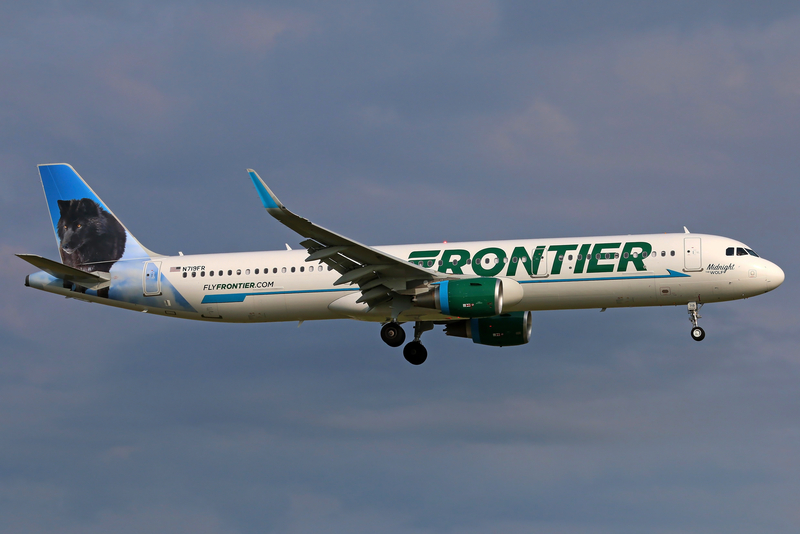
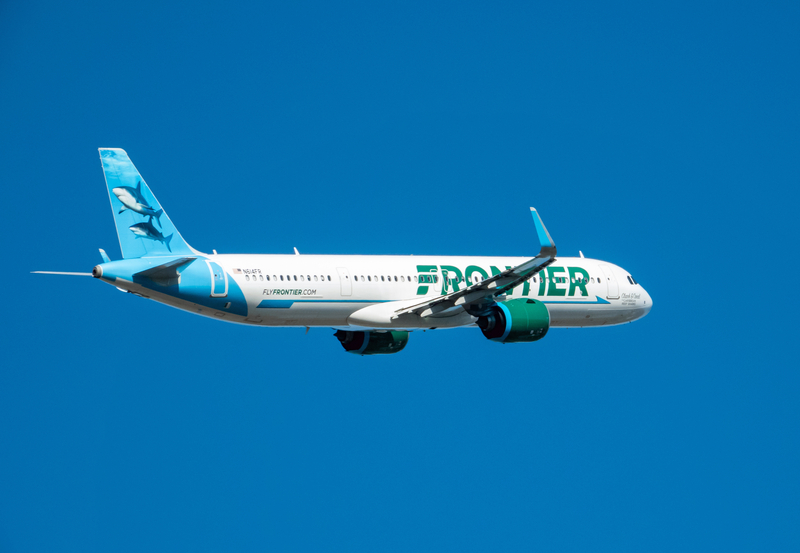
A Frontier Airlines Airbus A321neo departing Denver International Airport (DEN) for Los Angeles International Airport (LAX) fatally struck a runway trespasser late Friday night, triggering a high-speed rejected takeoff, a brief engine fire, and an emergency evacuation.

The aircraft, N646FR, was operating flight F94345 with 224 passengers and seven crew members onboard. According to airport officials and federal reporting, the person had breached the airport perimeter and reached Runway 17L just minutes before the collision. The flight crew aborted the takeoff after impact, and the aircraft stopped safely on the runway.
For aviation readers, this was not just an airport-security incident. It was a runway-incursion event involving a live departure roll on a large narrowbody jet, and that immediately makes it one of the most serious types of ground emergency a commercial crew can face.
Read our stories in your inbox
Two aviation newsletters. Zero fluff.
The Aircraft Was Already Accelerating For Departure
The timing of the event is what makes it especially severe.
This was not a low-speed taxi incident or a post-landing ground collision. The aircraft was already in the takeoff roll when the crew reported striking a person. Flight-tracking analysis indicates the A321neo reached a maximum speed of about 127 knots before braking to a stop.
That matters because once an aircraft is accelerating through the takeoff phase, the crew is operating in one of the tightest decision windows in all of airline flying. Any major obstacle strike at that stage immediately raises the risk of engine damage, tire or gear issues, runway excursion, or fire.
The Engine Fire Turned The Event Into A Full Emergency
After the strike, the aircraft experienced a brief engine fire and smoke entered the cabin.
That is why the event escalated so quickly from a runway collision to an onboard emergency. Even if the airplane itself remains controllable and comes to a safe stop, smoke in the cabin changes everything. At that point, the crew has to think not just about the aircraft’s condition, but about whether the safest next step is to keep passengers onboard or get them off immediately.
In this case, the decision was evacuation.
The Evacuation Caused 12 Minor Injuries
Passengers were evacuated via emergency slides after the aircraft stopped.
That part of the story is important because it shows how disruptive and physically demanding these emergencies can be even when the aircraft itself does not crash. Twelve people sustained minor injuries during the evacuation, and five were taken to hospital. All 231 people onboard ultimately got off safely.
This is a reminder that emergency evacuations are never risk-free. Airlines and crews order them only when the danger of remaining onboard appears greater than the danger of getting everyone off quickly.
The Trespasser Reached The Runway Only Minutes Earlier
According to airport and federal statements, the person had climbed or scaled the airport perimeter fence and entered the movement area about two minutes before the collision.
That is a critical detail, because it shifts part of the story toward airport security and perimeter protection. Denver officials later said the fence line itself was found intact after inspection, which suggests the individual breached the secured area without a broader failure of the boundary system being immediately obvious.
Still, the simple fact remains: a person got onto an active runway at one of the country’s busiest airports and was there long enough to be struck by a departing airliner. That alone will drive intense scrutiny.
This Was A Security Event As Much As An Aviation One
The aviation side of the incident is serious enough on its own, but the security dimension is just as significant.
Airlines can train for high-speed rejected takeoffs. They can inspect engines, respond to smoke, and evacuate cabins. What they cannot reasonably be expected to anticipate is a person appearing on a runway seconds before departure. That is why incidents like this fall at the intersection of airport policing, perimeter design, surveillance, and emergency response.
For Denver, this will not just be an aircraft investigation. It will also be a security review.
Frontier’s Crew Managed A High-Pressure Event Correctly
One of the clearest positive outcomes is that the crew appears to have handled the emergency the way the system is designed for them to handle it.
They identified the strike, stopped the aircraft, managed the immediate hazard, and evacuated the cabin after smoke entered the airplane. No passengers or crew were killed, and that is the most important operational outcome.
In events like this, the difference between a contained runway emergency and a catastrophe can be very small. The fact that the aircraft stopped safely and the evacuation was completed is a sign that the emergency response chain functioned under pressure.
The Investigation Will Likely Focus On Two Tracks
Federal investigators now have two obvious lines of inquiry.
The first is the aviation track: the takeoff sequence, the engine fire, the extent of aircraft damage, and whether any operational or mechanical consequences flowed directly from the strike.
The second is the security track: how the trespasser got airside, how long they were in the movement area, what surveillance or detection systems existed, and why the incursion was not stopped before the aircraft reached that point on the runway.
Both are significant, and both will shape how this event is ultimately understood.
Bottom Line
Frontier flight F94345 from Denver (DEN) to Los Angeles (LAX) became a major emergency after its Airbus A321neo struck a runway trespasser during the takeoff roll, triggering a rejected takeoff, a brief engine fire, and an evacuation that left 12 passengers with minor injuries.
The airplane was saved by a successful stop and a controlled emergency response. But the broader lesson is more troubling: this was not a normal operational failure. It was a fatal runway-security breach that intersected with one of the most critical moments in airline flying.