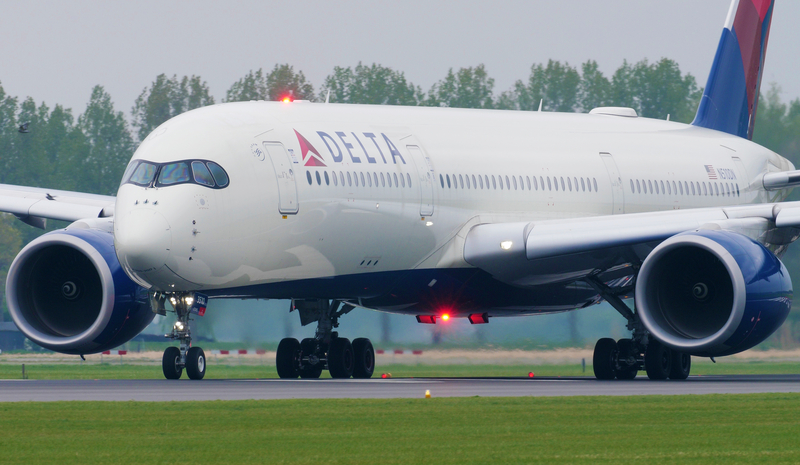
Delta Air Lines is turning its newest Australia play into a full-season workhorse. Just months after launching nonstop service between Los Angeles (LAX) and Melbourne (MEL), the carrier has confirmed it will progressively add frequencies—moving from three flights weekly today to daily service from December 22, 2026, timed for the Southern Hemisphere peak travel period.

For Melbourne Airport (MEL), the ramp-up is a strong vote of confidence in a market already crowded with heavyweight competition. For Delta, it’s a clear signal that the airline believes premium-heavy demand and alliance positioning can support more metal on one of the longest stage lengths in its network.
The Schedule: From 3x Weekly to Daily by December 22
Delta’s build is structured and deliberate rather than an overnight upgauge:
Read our stories in your inbox
Two aviation newsletters. Zero fluff.
-
October 13, 2026: increases from 3x weekly to 4x weekly
-
October 27, 2026: increases to 5x weekly
-
December 22, 2026: steps up to daily service
The daily schedule is planned to run through the busy Australian summer peak, with Delta expected to reduce back to five flights per week from March 2027, once demand normalizes after the holiday and peak-leisure wave.
Operationally, this is the classic long-haul cadence: add shoulder-season frequencies first to build consistency, then go daily when the peak revenue window opens.

The Aircraft: Delta’s Premium-Heavy Airbus A350-900
Delta is keeping the Airbus A350-900 on the route—an aircraft choice that says as much about revenue strategy as it does about range.
On Delta’s current A350-900 configuration used for long-haul flying, the cabin totals 275 seats across four cabins:
-
40 Delta One Suites
-
40 Delta Premium Select
-
36 Delta Comfort+
-
159 Delta Main Cabin

That’s a notably premium-forward layout for a route like LAX–MEL, where ultra-long block times elevate the value of lie-flat and premium economy inventory. Delta One Suites (with doors and direct aisle access) are exactly the kind of product that can tilt corporate and premium-leisure decisions on 15–17 hour missions, especially when travelers are choosing between alliance options.
Just as importantly, the A350’s efficiency and cargo capability make it a strong fit for the economics of long-haul growth—particularly when the airline is increasing frequency rather than simply adding seats.
Why Delta Is Scaling MEL Now
Delta’s entry into Melbourne (MEL) gave it a third nonstop Australia point from Los Angeles (LAX) alongside its established presence in the region. What’s changed is the airline’s willingness to make the service more “reliable” in the eyes of customers.
Three flights per week is workable for leisure travelers who plan around fixed days. It’s far less attractive for premium customers, corporate accounts, and high-value travelers who buy flexibility as much as they buy a seat. Moving to daily transforms the route from a novelty into a dependable option—particularly for:
-
Premium travelers who want a consistent schedule
-
Passengers connecting onward from LAX into Delta’s domestic network
-
Australian travelers routing through LAX for onward U.S. connections
The frequency ramp also tightens Delta’s competitive posture in a market where nonstop options already exist and alliances matter.
The Competitive Landscape: All Three Alliances on One City Pair
The LAX–MEL corridor is unusually “complete” in alliance representation:
-
SkyTeam: Delta (A350-900)
-
oneworld: Qantas (primarily 787-9 on this route, with widebody fleet flexibility during peak periods)
-
Star Alliance: United (787-9)
That makes this route a live case study in how alliances sell long-haul: corporate contracts, frequent flyer pull, lounge access expectations, and onward network convenience. Delta’s decision to go daily at peak is not just about local demand—it’s also about keeping SkyTeam visible and viable on a marquee long-haul market from California.
What This Means for Melbourne and California Travelers
For passengers, the biggest change is simple: more choices on the days you actually want to travel.
The gradual ramp to daily service around late December is also aligned with the highest-yield time of year for Australia–U.S. flying, when seats are scarce, premium cabins sell strongly, and travelers prioritize nonstop convenience. For Melbourne (MEL), the additional frequency increases inbound capacity and strengthens its nonstop connectivity to the U.S. West Coast at the most commercially important time of year.
Bottom Line
Delta is scaling its Los Angeles (LAX)–Melbourne (MEL) nonstop far faster than many new long-haul launches: 4x weekly from October 13, 2026, 5x weekly from October 27, then daily from December 22 through the Southern Hemisphere summer peak before easing back to five weekly flights from March 2027. Keeping the Airbus A350-900—with 40 Delta One Suites and a premium-heavy 275-seat cabin—signals Delta is betting that the LAX–MEL market can support both higher frequency and higher-yield inventory. In a corridor where all three global alliances are represented nonstop, the move is as much about strategic positioning as it is about capacity.
Keep reading FlyMag
Get the Daily Brief in the morning or the Route Watch weekly recap on Fridays. Or both.