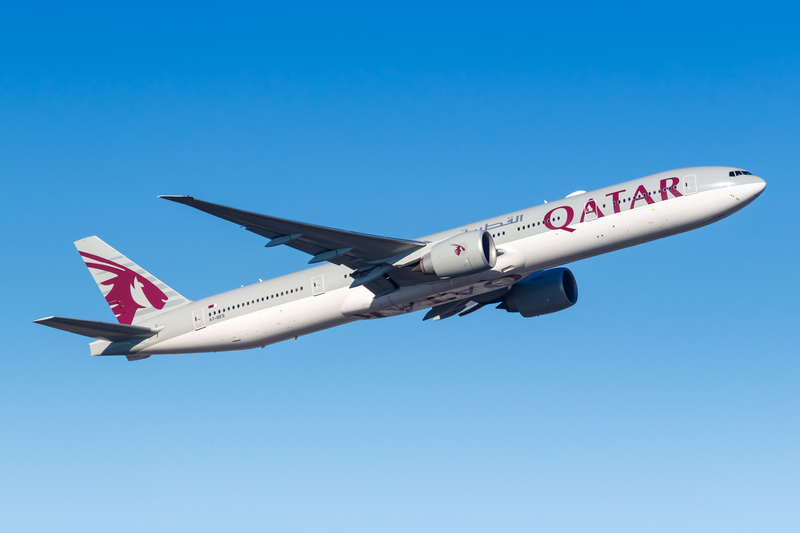
Qatar Airways appears to have secured additional traffic rights to Canada under a newly expanded bilateral agreement—reportedly enough for seven more weekly flights. If the extra allowance is confirmed and used, the airline could increase frequencies to Toronto and/or Montréal, launch a new Canadian destination (most notably Vancouver), or pursue a mix of both.

Canada has historically been cautious with Middle East market access, so any expansion in permitted frequencies is notable—especially for a carrier that already has a strong long-haul presence and global connectivity through Doha.
What changed in the Canada–Qatar agreement?
Under traditional air service agreements, governments can limit how many flights airlines may operate and sometimes even which cities they can serve. In this case, the reported outcome is a higher total weekly flight allowance for Qatar Airways in Canada, creating space for a meaningful network move.
Read our stories in your inbox
Two aviation newsletters. Zero fluff.
The big question is how the airline uses it.
Why Vancouver suddenly looks like the obvious “new city” candidate
Qatar Airways has served Canada since 2011, flying to Montréal for years and adding Toronto more recently. If a third Canadian city is on the table, Vancouver is the one that immediately fits the profile:

-
It’s a major transpacific gateway with significant premium and leisure demand.
-
British Columbia recently lost a nonstop Middle East link when Vancouver–Dubai service ended (previously tied to an Air Canada–Emirates relationship).
-
Vancouver is already served by carriers that can connect onward to Europe and beyond, but the Middle East connectivity gap is more noticeable than it used to be.
That said, Vancouver is also a high-stakes route: long stage length, competitive pricing pressure, and the risk of weak winter performance if demand softens.
The more likely move: add flights to Toronto first
If Qatar Airways’ goal is to maximize revenue while minimizing risk, Toronto is the safer bet for added capacity.
Toronto is Canada’s largest air market and a major connecting hub for international flows. Adding a second daily flight (or building toward it) can improve:
-
Connection banks in Doha
-
Schedule utility for business travelers
-
Cargo uplift consistency
-
Competitive positioning against other Gulf carriers
It also allows Qatar Airways to scale without the operational and commercial uncertainty of building a brand-new station.
What about Montréal?
Montréal currently has fewer weekly frequencies than Toronto. If Qatar Airways wants to strengthen its long-standing Canadian presence without opening a new city, lifting Montréal closer to daily service is another plausible lever—especially if the carrier believes it can grow connecting flows through Doha to South Asia and the Middle East.
Possible scenarios for how the extra seven weekly flights get used
Here are the main pathways, from most conservative to most aggressive:
-
Boost Toronto only
The simplest option: add frequencies where demand is deepest and yields are more resilient. -
Split Toronto + Vancouver
A balanced approach: add a few flights to Toronto while trialing Vancouver at limited weekly frequency. -
Add Vancouver daily
Highest risk, highest visibility. This would be a major bet—especially if competing Middle East capacity returns to Vancouver. -
Daily Montréal + limited Vancouver
Least likely: it spreads growth across two initiatives at once and adds complexity quickly.
Current Qatar Airways Canada service snapshot
| City | Current pattern | Typical aircraft notes |
|---|---|---|
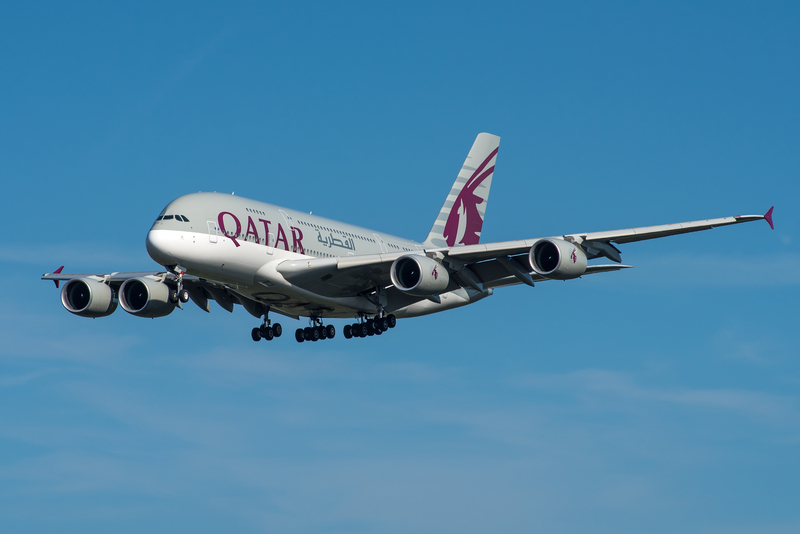
| Montréal | Five weekly (year-round) | A350-1000 (with planned seasonal widebody swaps) |
| Toronto | Daily (year-round) | 777-300ER / A350-1000 seasonally |
(Aircraft assignments can vary by season and scheduling updates.)
What the demand data suggests
Canada–Doha demand isn’t just point-to-point. A large share of passengers use Doha to connect onward—particularly to South Asia and parts of the Middle East. That connecting strength is exactly what makes Canada attractive for Qatar Airways: the airline can fill seats with a blend of local traffic plus onward flows that are difficult to replicate for many competitors.
Bottom Line
If Qatar Airways truly has room for seven additional weekly flights to Canada, the most logical near-term move is more Toronto capacity, potentially followed by a measured Vancouver launch if the economics and competitive landscape line up. Vancouver is the headline-grabber, but Toronto is the route that’s easiest to scale with the least downside risk.
Keep reading FlyMag
Get the Daily Brief in the morning or the Route Watch weekly recap on Fridays. Or both.
Share this story
Composed for each network — click to share, or copy the composed text for your own timing.