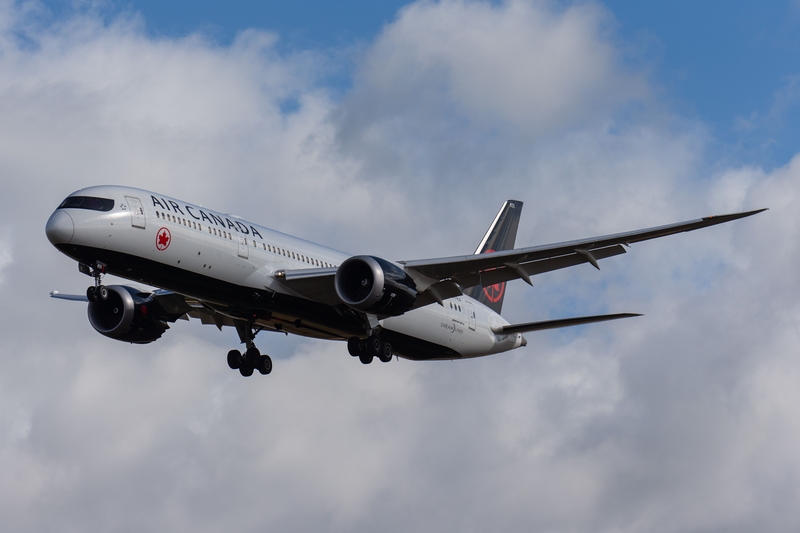
Air Canada is adding a genuinely new dot to the transpacific map: winter seasonal nonstop service between Vancouver (YVR) and Sapporo/New Chitose (CTS), delivering what the airline describes as the only nonstop link between North America and Hokkaido.

The route is designed around peak winter demand—ski, snow festivals, and hot springs—running from December 2026 through March 2027 with three flights per week, operated by Boeing 787 Dreamliners. For a region that has traditionally required a connection via Tokyo (NRT/HND) or another Asian hub, the practical benefit is obvious: fewer moving parts, less misconnect risk, and a much cleaner start to a winter trip.
The schedule: three weekly 787s, timed for winter travel patterns
Air Canada published the initial operating pattern and timings (as always, subject to seasonal adjustment):
Read our stories in your inbox
Two aviation newsletters. Zero fluff.
-
AC55: Vancouver (YVR) 13:25 → Sapporo (CTS) 15:35 (+1 day), Mon/Thu/Sat, operating Dec. 17, 2026–Mar. 25, 2027
-
AC54: Sapporo (CTS) 19:55 → Vancouver (YVR) 11:10, Tue/Fri/Sun, operating Dec. 18, 2026–Mar. 26, 2027
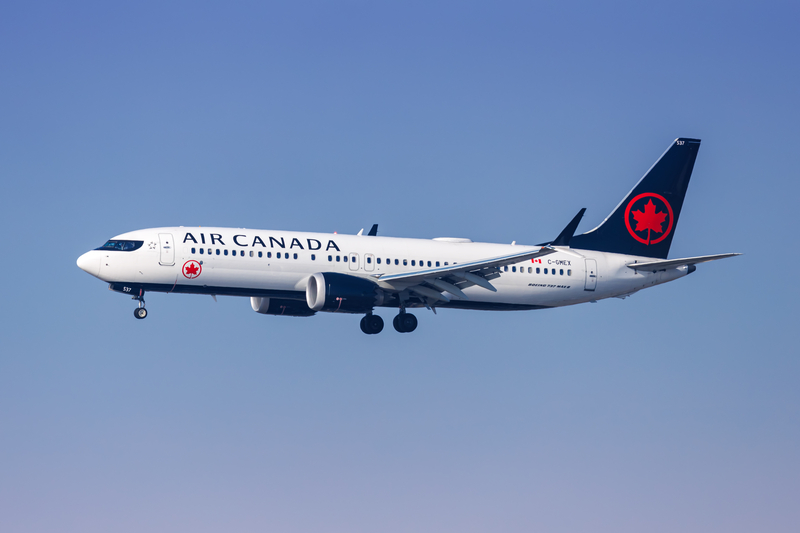
For planners, that pattern is telling. The outbound operates on alternating days to cover long-weekend demand and midweek leisure flows, while the evening departure from CTS supports full ski days and smooth hotel check-out timing—small details that matter when you’re selling winter leisure at scale.
Why Vancouver (YVR) is the right launch point
From a network standpoint, Vancouver (YVR) is Air Canada’s most logical springboard for a first-to-market Hokkaido play. The airline is leaning on geography—shorter great-circle distance than interior hubs—and on connectivity: YVR is built to distribute inbound Japan traffic across Western Canada and the U.S. West/Mountain markets efficiently.
Air Canada also points to onward access via YVR, highlighting connections to more than 45 destinations across Canada, the United States, and Mexico. For Japanese travelers starting in Hokkaido, that’s a major selling point: a single-stop itinerary from CTS into a broad swath of North America without backtracking through Tokyo.
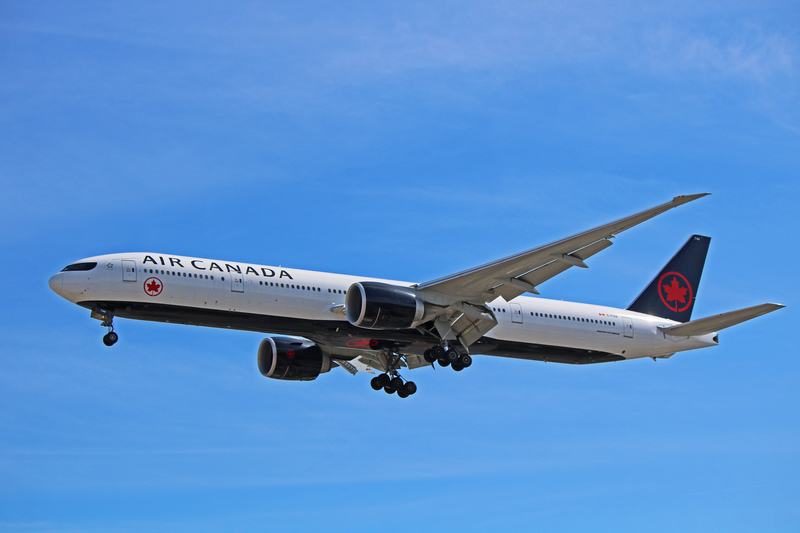
Air Canada even frames the hub position more aggressively, describing YVR as North America’s second-largest Pacific gateway—a reminder that this route isn’t just about adding one more leisure destination. It’s also about reinforcing Vancouver’s role as a transpacific connecting engine.
The aircraft: why the Boeing 787 Dreamliner fits YVR–CTS
Air Canada will operate the route with the Boeing 787 Dreamliner, a natural match for “premium-leaning leisure” markets where range is needed but you still want modern trip economics and a cabin that sells well in winter.
From a product and performance lens, the 787 checks the boxes airline professionals care about:
-
Long-haul optimization: Designed for extended overwater routes with strong fuel efficiency per seat and long-range capability.
-
Passenger comfort advantages: The 787’s composite structure enables a lower cabin altitude (often cited around 6,000 ft equivalent) and higher cabin humidity than older aluminum widebodies—benefits that matter on overnight or near-overnight transpacific sectors.
-
Cabin segmentation that monetizes winter demand: Air Canada is selling the flight with Signature Class, Premium Economy, and Economy, a lineup that plays well when a meaningful share of demand is high-yield leisure—ski travelers, premium vacationers, and travelers bundling hotels and experiences.
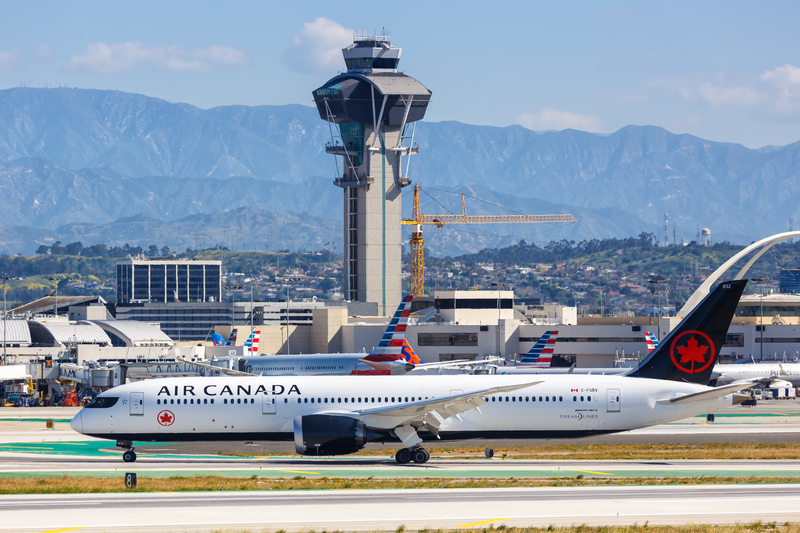
If you’ve watched winter Japan demand over the last decade, the intent is clear: Air Canada is chasing the premium end of the leisure curve while still offering enough capacity to keep the route relevant beyond the top tier.
Why Sapporo (CTS) is more than “just another Japan route”
Sapporo is a different proposition than Tokyo (NRT/HND) or Osaka (KIX). CTS is the front door to Hokkaido’s winter economy—powder ski resorts, hot spring towns, and one of Japan’s most internationally recognized winter events.
A few destination details make CTS particularly airline-friendly:
-
The airport is built for volume: CTS is a major domestic/international gateway, not a small regional field, which matters when you’re running widebody winter operations in a cold-weather environment.
-
Access to ski infrastructure is straightforward: Resorts like Niseko, Kiroro, and Rusutsu are well-established for international visitors, with mature ground transport ecosystems.
-
Winter demand has multiple “anchors”: Not just skiing. The Sapporo Snow Festival (typically held in early February) brings major inbound demand on its own, while Hokkaido’s food travel—seafood, dairy, soup curry, and Sapporo’s famed beer culture—broadens the market beyond pure sport tourism.
For Air Canada, that mix is valuable. Ski demand spikes on weekends and holiday periods; festivals create predictable peaks; culinary travel fills shoulder weeks. That’s exactly the kind of demand shape that supports a three-times-weekly winter seasonal widebody.
How it fits Air Canada’s broader Japan strategy
This Sapporo (CTS) launch complements Air Canada’s existing Japan portfolio:
-
Year-round: Tokyo Narita (NRT) and Tokyo Haneda (HND)
-
Summer seasonal: Osaka Kansai (KIX)
-
Winter seasonal: Sapporo/New Chitose (CTS)
The strategic thread is “more Japan, more specificity.” Tokyo is indispensable, but it’s also saturated and fiercely competitive. Hokkaido is differentiated—less about corporate contracts, more about high-intent leisure where nonstop convenience can command a pricing premium.
There’s also a brand-and-loyalty play baked in. Air Canada is positioning the route for premium leisure travel and explicitly calls out Aeroplan members, while selling the cabin hierarchy that makes a long-haul leisure route economically attractive.
Bottom Line
Air Canada’s new winter seasonal Vancouver (YVR)–Sapporo (CTS) nonstop is a rare thing in today’s transpacific market: a truly new, network-expanding route that opens Hokkaido without a Tokyo (NRT/HND) connection. Starting December 17, 2026, and operating three times weekly on Boeing 787 Dreamliners through late March 2027, it targets the highest-value slice of winter Japan demand—powder skiing, hot springs, and early-February festival travel—while leveraging YVR as a high-connectivity gateway for onward North American itineraries.
Keep reading FlyMag
Get the Daily Brief in the morning or the Route Watch weekly recap on Fridays. Or both.