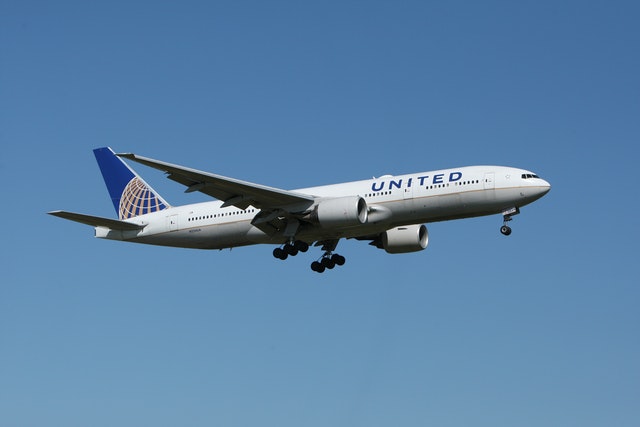
United Airlines is adding a new nonstop transcontinental route between Los Angeles International Airport (LAX) and Fort Lauderdale-Hollywood International Airport (FLL), giving the airline a new way into one of the most hotly contested leisure and premium-adjacent corridors in the U.S.

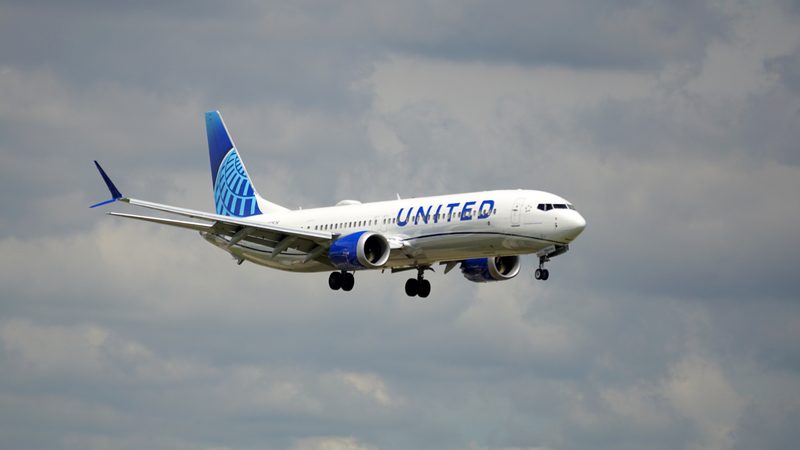
The service is scheduled to begin on October 25, 2026, and will be flown with the Boeing 737 MAX 9. The route will start at five weekly flights, then ramp up sharply through the winter, reaching twice daily during peak holiday and early spring periods.
For aviation readers, the significance is not just that United is adding another domestic route. It is that the airline is choosing to enter a market where JetBlue and Delta are already established and where the post-Spirit reshuffle in South Florida is still creating new opportunities.
Read our stories in your inbox
Two aviation newsletters. Zero fluff.
This Is A Real Expansion, Not A Placeholder Route
United is not testing the market with a few scattered flights.
The airline plans to start with five weekly services, then increase to double daily from December 17 to January 4, reduce slightly to 12 weekly through March 8, and then return to twice daily from March 9 onward. That is a meaningful amount of capacity for a new transcon entry.
That matters because it shows United believes the route can support more than simple opportunistic flying. It sees enough demand to justify a real winter schedule build.
The MAX 9 Is A Strong Fit For The Route
United is using the Boeing 737 MAX 9, which is an interesting and sensible choice.
The MAX 9 gives the airline enough seats and range to make the route commercially meaningful without committing a larger widebody or trying to force a premium-heavy narrowbody concept into the market. It also gives United a three-cabin domestic product with United First, Economy Plus, and standard economy, plus in-seat power and onboard Wi-Fi.
In other words, this is not a stripped-down leisure flight. It is a proper network-carrier transcon.
Fort Lauderdale Is Becoming More Important To United
The route also says something bigger about Fort Lauderdale.
With this addition, United’s Fort Lauderdale network reaches eight routes, and LAX becomes its second West Coast route from the airport after San Francisco. That matters because Fort Lauderdale has historically been more closely associated with JetBlue, Spirit, and leisure-heavy low-cost flying than with United making a deeper strategic push.
This move suggests United sees more value in South Florida than just feeding existing Florida demand. It sees FLL as a market worth growing in its own right.
Spirit’s Collapse Opened The Door Wider
One reason this route is arriving now is obvious: Spirit Airlines is gone from the market, and that has changed the competitive landscape.
When a large low-cost player exits, the immediate effect is not just fewer seats. It is a reallocation opportunity for everyone else. JetBlue has moved aggressively in Fort Lauderdale, Delta remains a strong player, and now United is stepping in on a route where demand already exists and where a former competitor’s absence has likely improved the revenue environment.
That makes the timing important. United is not entering a vacuum — but it is entering a market with newly altered economics.
JetBlue Remains The Carrier To Beat
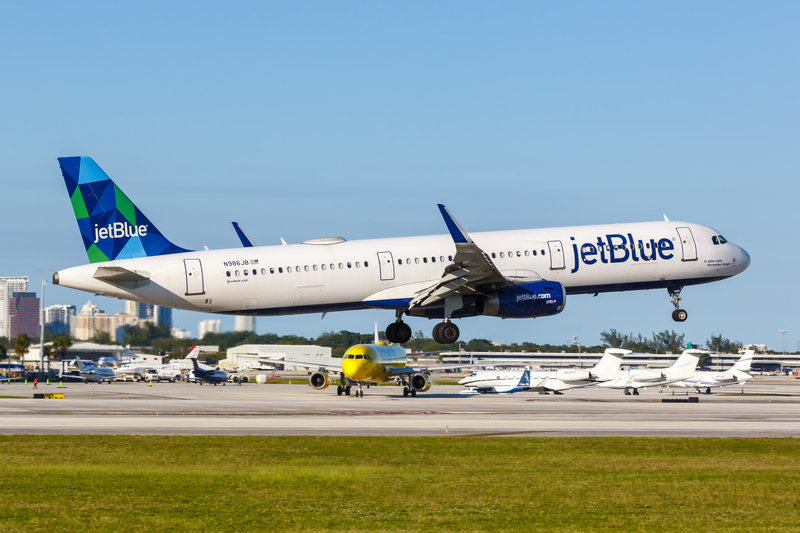
Even with United’s entry, JetBlue remains the dominant airline on LAX–FLL.
That matters because this is not a soft launch against weak competition. JetBlue already has large-scale service on the route and a product advantage in some parts of the cabin thanks to its A321 fleet and Mint presence elsewhere in the network, even if not on every aircraft in this market. Delta also remains a significant competitor with its own strong South Florida and LAX positioning.
United therefore is not just adding a route. It is stepping directly into a competitive three-airline transcontinental market.
This Looks Like A Network Discipline Move, Not A Vanity Route
One reason the launch is interesting is that it fits United’s current network style.
The airline has been willing to add routes where it believes there is a practical revenue case, even when competition is strong, but it has generally done so with careful aircraft selection and measured ramp-up patterns. LAX–FLL fits that logic well. It is a long domestic route with enough leisure, VFR, and premium spill demand to justify a network-carrier entry, but not one that requires a dramatic all-at-once capacity surge.
That is what makes the rollout look disciplined rather than flashy.
Bottom Line
United’s new Los Angeles–Fort Lauderdale service is more important than it first appears. It gives the airline a new transcontinental route into one of the most dynamic markets in South Florida, strengthens Fort Lauderdale as a growing station in United’s network, and puts the carrier directly into competition with JetBlue and Delta on a route reshaped by Spirit’s collapse.
The use of the 737 MAX 9 and the aggressive winter frequency ramp-up suggest United sees real opportunity here. This is not just another domestic route. It is a strategic move into a market where the airline clearly thinks there is room to win.