Delta Air Lines has retired its oldest widebody, Boeing 767-300ER N171DN, after nearly 36 years of service.

The aircraft made its final ferry flight on April 10 from Hartsfield-Jackson Atlanta International Airport (ATL) to Birmingham-Shuttlesworth International Airport (BHM), where it is expected to be dismantled for parts. Its last revenue service came just before that, operating from San Francisco International Airport (SFO) to ATL.
For Delta, this is more than a single-aircraft retirement. N171DN was not just another aging 767. It was the longest-serving widebody in the fleet, a jet that spanned multiple eras of the airline’s international and domestic strategy.
Read our stories in your inbox
Two aviation newsletters. Zero fluff.
A 1990 Delivery That Lasted Deep Into the 2020s
N171DN first flew on April 22, 1990 and was delivered to Delta on June 9, 1990. That gives the aircraft a career stretching across almost the entire modern widebody history of the airline.
In its earlier years, the 767-300ER was a true long-haul workhorse. For Delta, that meant transatlantic flying and other international missions where the aircraft’s range and twin-engine economics were especially valuable. In later years, as newer Airbus A330-900neos and A350-900s entered the fleet, the aircraft increasingly shifted toward transcontinental and shorter international work.
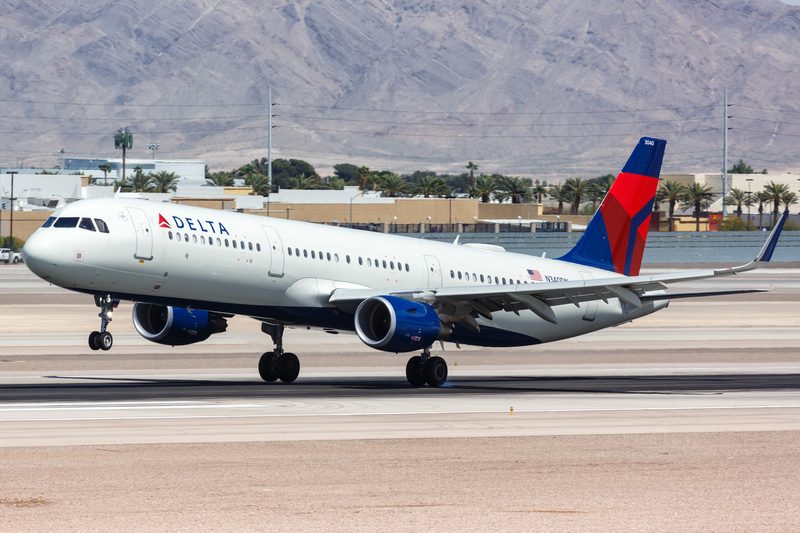
That arc is typical of aging widebodies, but it is still striking in this case. Very few large commercial aircraft remain with one major carrier for this long while continuing to operate meaningful frontline service.
More Than 150,000 Flight Hours Tells Its Own Story
The most remarkable number attached to N171DN is not its age, but its utilization.
The aircraft passed 150,000 flight hours before retirement, a figure that underlines just how heavily Delta used the jet over the course of its life. For a widebody aircraft, that is an enormous amount of productive flying and says a great deal about both Boeing’s underlying airframe durability and Delta’s maintenance discipline.
That point matters because aircraft longevity on this scale does not happen by accident. It comes from a combination of maintenance investment, operational reliability, and a fleet strategy that continues to find useful work for older airframes even as newer aircraft arrive.
The 767-300ER Still Had a Real Job to Do
What makes the retirement more interesting is that N171DN was not simply parked for years before quietly disappearing.
In its final weeks, the aircraft was still flying visible network sectors, including service between ATL, SFO, and New York John F. Kennedy International Airport (JFK). That tells you Delta was still extracting real value from the aircraft right up to the end rather than treating it as a symbolic fleet holdover.
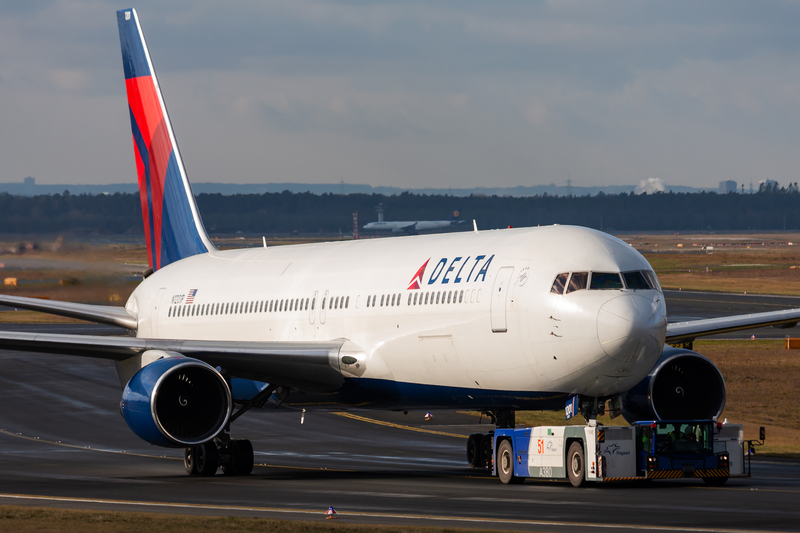
The Boeing 767-300ER remains a useful aircraft in that role. Delta’s domestic-configured version seats 211 passengers, with 36 Delta One seats, 32 Delta Comfort+ seats, and 143 Main Cabin seats. That gives the airline a premium-heavy widebody well suited to transcontinental sectors and selected international flying where cargo lift and cabin mix still matter.
Delta Opens First-Ever New York-Olbia Flights, Giving Sardinia Its First U.S. Nonstop
In other words, this was not an aircraft surviving on nostalgia. It was still commercially useful.
Delta’s Fleet Renewal Is Making These Retirements Inevitable
At the same time, the economics are no longer moving in the 767’s favor.
Delta has been steadily renewing its widebody fleet with Airbus A330-900neos and A350-900s, aircraft that offer better fuel efficiency, lower maintenance burden, and a more modern premium product. The airline has also made clear that the 767-300ER fleet will not last indefinitely, with retirement by 2030 now firmly part of the broader fleet plan.
That is what makes N171DN’s exit feel symbolic. It is one aircraft, but it also represents the early visible thinning of a fleet that has been central to Delta’s international identity for decades.
Why Birmingham Matters in Aircraft Retirement
The final ferry to Birmingham (BHM) is also worth noting.
Birmingham has become one of the more visible U.S. locations for aircraft teardown and part-out work. When an aircraft like N171DN is retired there, the story does not end with a parking stand and a fence line. Engines, avionics, landing gear, slides, and other serviceable components can all retain significant value in the aftermarket.
That is especially true for mature fleet types like the 767, where operators and maintenance providers still need certified parts support. So while the aircraft itself will not fly again, parts of it may continue to support the fleet long after the airframe is gone.
Bottom Line
Delta’s retirement of N171DN closes the book on one of the longest-serving widebodies in its history.
The Boeing 767-300ER first flew in April 1990, joined Delta in June that year, and leaves the fleet after more than 150,000 flight hours and a final sequence of flights between SFO, ATL, and BHM. It was a veteran aircraft, but not a forgotten one. Right to the end, it was still doing real work for the airline.
For Delta, the message is clear. The 767 era is not over yet, but it is entering its final stretch, and N171DN is now one of the most visible signs that the transition has truly begun.
Keep reading FlyMag
Get the Daily Brief in the morning or the Route Watch weekly recap on Fridays. Or both.