Delta Air Lines will add daily nonstop service between Austin (AUS) and Bentonville (XNA) in March 2027, extending the carrier’s steady build-up in Central Texas with a route tailored closely to Northwest Arkansas business demand.

The service is scheduled to begin March 8, 2027. XNA said the flight will leave Northwest Arkansas daily at 6 a.m. and operate with a 76-seat Embraer 175. Austin will become the airport’s 29th nonstop destination.
“This new route reflects the continued growth of Northwest Arkansas and the demand for more nonstop travel options,” XNA CEO Aaron Burkes said in the airport’s announcement. He described the service as another investment by Delta in the region, with relevance to both corporate and leisure traffic.
Read our stories in your inbox
Two aviation newsletters. Zero fluff.
A Schedule Built Around Northwest Arkansas
The 6 a.m. departure gives Northwest Arkansas-originating passengers an early arrival in Austin. It also points to an aircraft overnight at XNA, rather than a schedule centered on an Austin morning departure.
That distinction matters in a market with a concentrated corporate travel base. Northwest Arkansas is home to Walmart’s headquarters in Bentonville, Tyson Foods in Springdale and J.B. Hunt Transport Services in Lowell, along with the supplier, logistics and professional-services traffic generated by those companies.
The route gives those passengers a nonstop alternative to connecting itineraries when traveling to Central Texas. In the other direction, it places Bentonville and the broader Northwest Arkansas business corridor inside Delta’s expanding Austin network.
Delta already lists Atlanta, Minneapolis, New York, Detroit and Salt Lake City among its nonstop markets from XNA, although individual services can vary by season. Austin is different from those established hub links: it is a point-to-point route joining two regional business centers.
The city pair has been tried before. Allegiant Air introduced Austin-Bentonville service in July 2021 as part of a broad expansion at AUS. Delta’s daily schedule and three-cabin regional jet represent a different proposition, aimed more squarely at travelers who value frequency, loyalty benefits and premium seating.
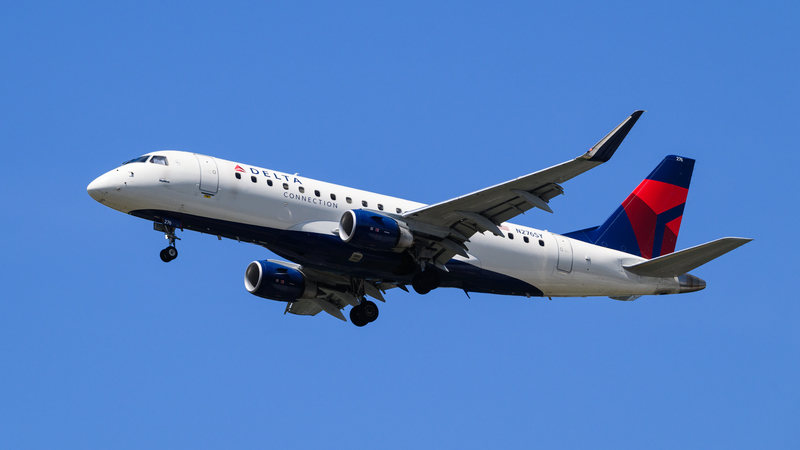
Embraer 175 Brings Three Cabins to the Route
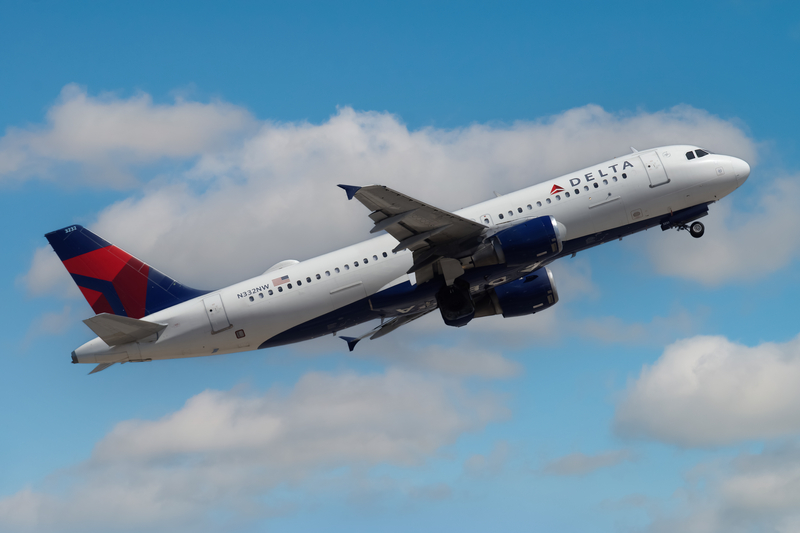
The Embraer 175 is a familiar aircraft in Delta’s Austin operation and is well matched to a market of this length and profile. The jet combines regional-aircraft economics with a cabin that avoids middle seats, an important distinction on business-heavy routes.
Delta’s 76-seat Embraer 175 configuration has 12 Delta First seats, 20 Delta Comfort seats and 44 Main Cabin seats. First Class is arranged one-two, while the economy cabin uses a two-two layout. Delta lists a range of 1,800 miles, comfortably beyond the requirements of the Austin-Bentonville sector.
The aircraft gives Delta 32 premium or extra-legroom seats on each departure, equivalent to more than 40% of the cabin. That is a meaningful allocation for a route linked to corporate travel, while the 44-seat Main Cabin keeps the overall capacity commitment measured.
Delta’s Embraer fleet is flown by its Delta Connection partners. The airline says its E175s can carry either 70 or 76 passengers, with the larger configuration used for the new XNA service.
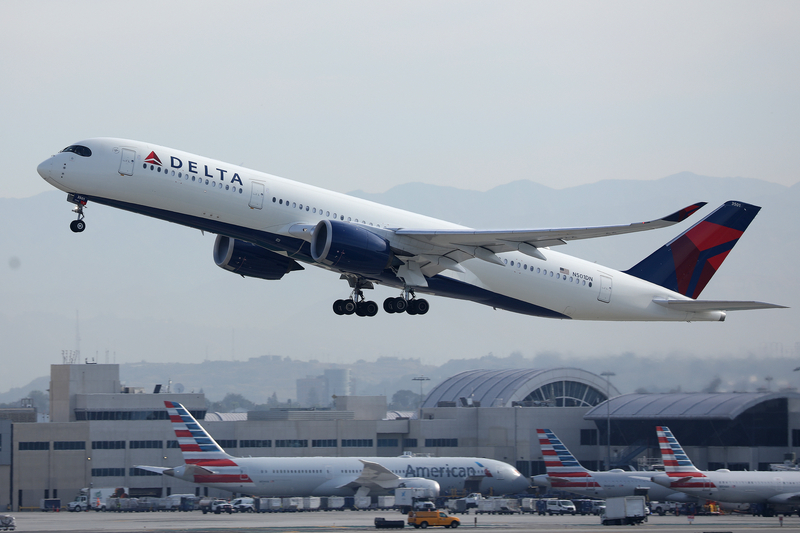
Another Piece of Delta’s Austin Network
Bentonville is a relatively small addition by seat count, but it fits the pattern of Delta’s Austin strategy. The airline has been adding a mixture of major business markets, smaller regional spokes and international service rather than relying only on flights to its established hubs.
Delta said in August that it expects to serve approximately 30 destinations from AUS and operate more than 70 peak-day departures by summer 2027. Its published Austin plan includes daily seasonal service to Paris (CDG), a new Austin-San Diego (SAN) route, a second daily Austin-San Jose (SJC) frequency and year-round Cancun (CUN) flying.
The airline is also building a larger operating platform on the ground. It has more than 900 employees in Central Texas, including a flight attendant base with more than 100 crew members. Delta plans to operate across 15 gates in the airport’s future Concourse A and has committed to a second, larger Sky Club as part of the expansion.
That infrastructure gives Delta more room to schedule Austin as an origin, destination and connecting point. A route such as Bentonville benefits from that model: local traffic can support part of the flight, while the broader AUS schedule supplies onward options that would be difficult to sustain with a standalone city pair.
The airline used the same 76-seat regional-jet approach for other Austin additions. Its Austin-Phoenix expansion, for example, also relied on the Embraer 175, allowing Delta to add frequency without committing mainline capacity at launch.
Bottom Line
For Northwest Arkansas, the value of the route lies less in raw seat volume than in its timing and product. A daily early-morning departure on a three-cabin aircraft is designed to be usable by corporate travelers, not merely to place another dot on XNA’s route map. If Delta can draw consistent demand from the region’s major employers and their supplier networks, the service gives XNA a durable link to one of the airline’s most closely watched growth markets.
For Delta, Bentonville shows how the Austin network is moving beyond a collection of hub flights and large coastal markets. Regional spokes can deepen the schedule, feed longer routes and make the airline more relevant to Central Texas-based customers. The next question is whether Delta adds frequency after the route matures or uses the same E175 formula to connect Austin with more midsize business markets across the central United States.