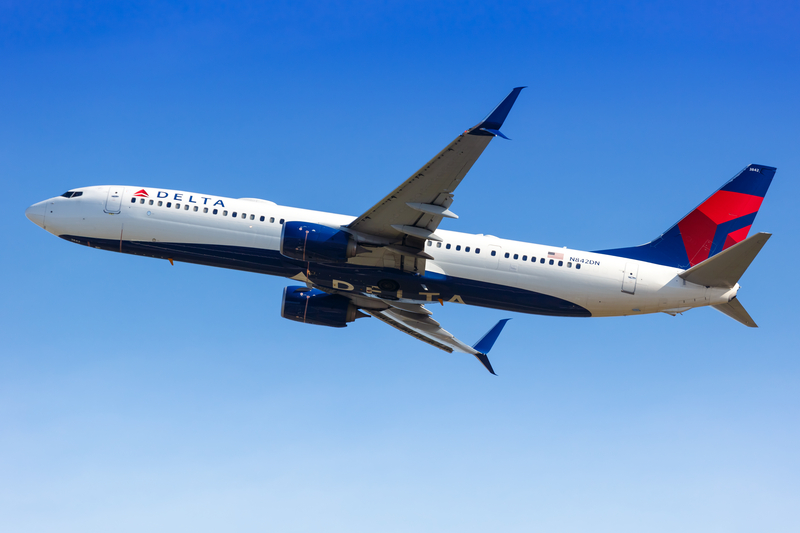
A routine Delta Air Lines (DL) shuttle from Savannah/Hilton Head International Airport (SAV) to Hartsfield-Jackson Atlanta International Airport (ATL) turned into an immediate return shortly after takeoff Sunday evening, after the crew reported a left-engine failure that coincided with a grass fire along the airfield.

Flight DL1067 departed Savannah (SAV) at approximately 18:45 local time on February 22, 2026, operated by a Boeing 737-900ER (B739), registration N942DZ. Tower recordings captured controllers querying the crew after observing a large flame during the takeoff roll and initial climb. The flight crew declared an emergency, advised they had lost the left engine, and began positioning back to SAV.
The aircraft returned and landed safely on Runway 28 at roughly 19:12, where it was met by emergency vehicles. All 179 passengers and six crew members deplaned at the gate without injury.
Read our stories in your inbox
Two aviation newsletters. Zero fluff.
What likely happened in the climb
On a 737-900ER, the takeoff and initial climb are engineered around the assumption that an engine can fail at the worst possible moment—and the aircraft must still continue safely. The type is powered by two CFM56-7B turbofans, and the airplane’s performance calculations (V-speeds, climb gradients, obstacle clearance margins) are built to remain within certified limits on one engine.
When an engine “lets go” in the takeoff phase, what people see from the ground can be dramatic—bright flame, a bang, and a momentary yaw—without necessarily indicating an uncontrolled fire. A contained failure, compressor stall, or exhaust-side flame event can look severe even as the crew is executing a highly standardized response: maintain climb speed, confirm which engine is affected, complete memory items, secure the engine, and assess whether an immediate return is the safest option.
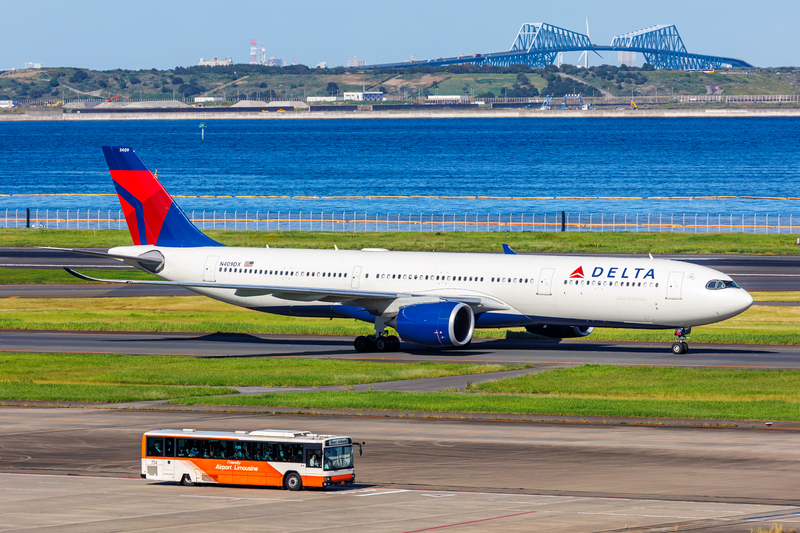
In this case, the decision to return to Savannah (SAV) makes operational sense. The flight was only minutes airborne, still close to the departure airport, and headed to a nearby hub (ATL) with abundant recovery options once everyone was back on the ground.
The grass fire: why it can ignite so quickly
The incident also triggered a significant grass fire near the runway/taxiway environment, prompting air traffic control to temporarily stop other aircraft movements while responders worked the scene.
Airport-side vegetation fires can ignite fast from multiple sources during an abnormal engine event:
-
Hot debris or exhaust blast reaching dry grass along the runway edge
-
Residual fuel or lubricants contacting a hot surface
-
Friction/heat sources near the airfield environment during a high-energy event
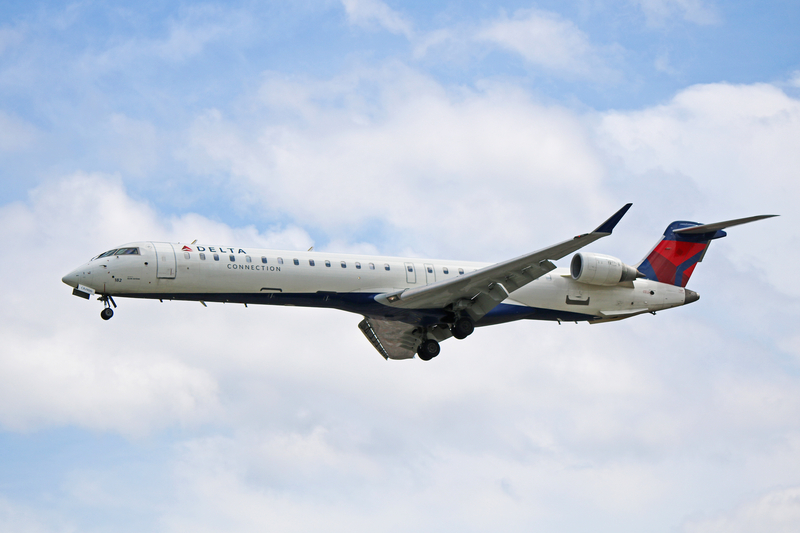
Controllers reportedly halted movements and coordinated with fire crews as the blaze spread along the grass line. Local emergency response was broad, with Garden City Fire Rescue, Savannah Fire Department, Pooler Fire-Rescue, and the 165th Airlift Wing Fire Department assisting in containment. The fire was brought under control within the first hour, allowing the airfield to stabilize and traffic flows to resume.
What happens to the aircraft after a one-engine return
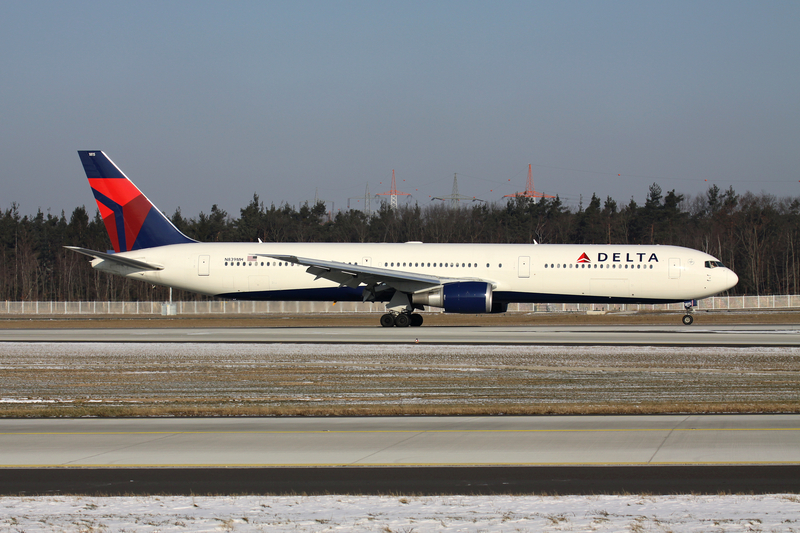
Even when a return is uneventful and the landing is normal, the post-flight work is extensive. A 737-900ER that reports an engine failure on departure will typically undergo:
-
Engine data review (trend and exceedance checks)
-
Borescope inspection of compressor/turbine sections
-
Nacelle and pylon inspections (fire loops, wiring, hydraulics, bleed air)
-
A detailed walkaround and structural checks for any secondary damage
The Federal Aviation Administration has opened an investigation, which will focus on the initiating cause and whether any components departed the aircraft and contributed to the runway-side fire.
Passenger recovery: the ATL advantage
One reason airlines can be conservative on short sectors into major hubs is recovery depth. After passengers were returned to the terminal at Savannah (SAV), Delta arranged onward transport to Atlanta (ATL) on a replacement aircraft, arriving in the early-morning hours.
Bottom Line
Delta flight DL1067 from Savannah (SAV) to Atlanta (ATL) returned shortly after takeoff on February 22, 2026, after a left-engine failure on a Boeing 737-900ER (N942DZ). The event was accompanied by a grass fire near the runway/taxiway area that briefly paused airfield movements while multiple fire agencies responded. The aircraft landed safely, all 179 passengers and six crew deplaned without injury, and the FAA is investigating the incident.
Keep reading FlyMag
Get the Daily Brief in the morning or the Route Watch weekly recap on Fridays. Or both.
Share this story
Composed for each network — click to share, or copy the composed text for your own timing.