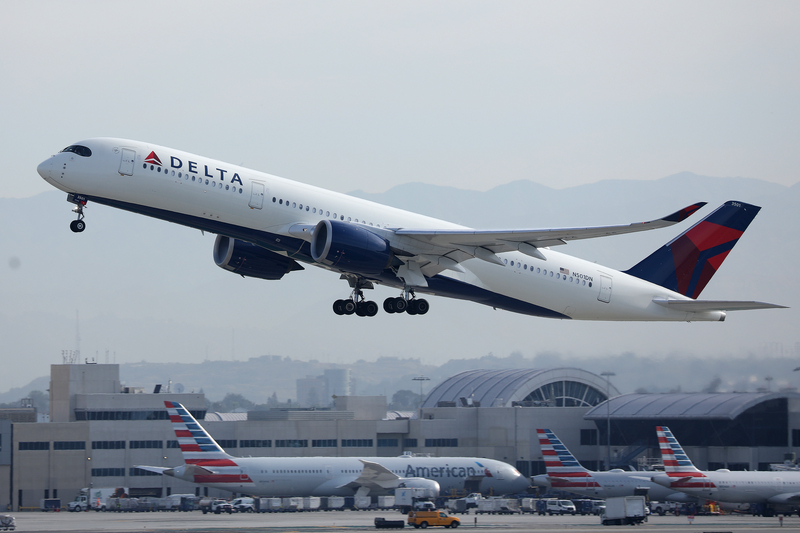
Delta Air Lines (DL) is doubling down on its widebody renewal strategy with a new agreement for 31 additional Airbus aircraft, adding scale to the two types that have become the backbone of its long-haul flying: the Airbus A330-900neo and Airbus A350-900.

The order is split between 16 A330-900s and 15 A350-900s, and it’s paired with options for 20 more widebodies—a clear signal that Delta wants flexibility as it calibrates capacity for the second half of the decade. Deliveries for this 31-aircraft batch are scheduled to begin in 2029, which matters because Delta’s near-term widebody story will be shaped by other arrivals already in the pipeline before these new frames start showing up at major hubs like Atlanta (ATL), Detroit (DTW), New York (JFK), and Los Angeles (LAX).
The Order, the Mix, and Why Delta Chose These Two Airframes
Delta isn’t buying “widebodies” in the abstract. It’s buying two very specific tools.
Read our stories in your inbox
Two aviation newsletters. Zero fluff.
The A330-900neo is Delta’s practical long-haul workhorse—an aircraft that fits routes that are too long, too premium, or too cargo-relevant for narrowbodies, but not always wide enough to justify the largest twins. Powered by Rolls-Royce Trent 7000 engines, the -900neo offers a strong efficiency step versus older-generation A330s and provides Delta with a consistent premium-heavy layout in a size that works on a broad set of missions out of ATL, BOS, MSP, and JFK.
Delta’s published configuration for the A330-900neo totals 281 seats, including 29 Delta One Suites, 28 Premium Select, 56 Comfort+, and 168 Main Cabin—a cabin mix that tells you exactly where Delta believes the revenue is. On many long-haul routes, the A330-900neo is less about maximum seats and more about high-yield seats.
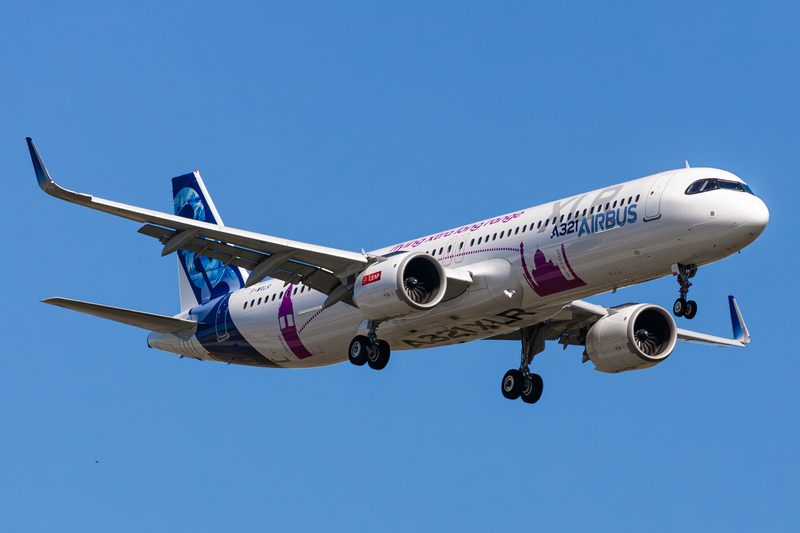
The A350-900, meanwhile, is Delta’s flagship long-range platform. The type’s composite structure, Rolls-Royce Trent XWB engines, and long-haul capability make it a strong fit for “network-defining” flying—exactly the kind of routes Delta has been leaning into across Asia, the South Pacific, and fast-growing long-haul markets. Delta operates more than one A350-900 cabin variant (a detail fleet planners care about), which gives it flexibility to match aircraft to route economics and premium demand profiles.
Timeline Reality Check: 2027 Isn’t These Jets—It’s the A350-1000s
One of the most important takeaways for airline professionals is the timing.
This new 31-aircraft Airbus batch starts delivering in 2029, not 2027. The early-2027 milestone in Delta’s widebody plan is tied to A350-1000 arrivals already on order. That matters because it shows Delta is building a two-step widebody ramp:
-
Near-term: Introduce the A350-1000 as the top-end capacity and range tool (useful for the longest, most premium-demanding sectors from gateways like ATL, JFK, and LAX).
-
Late decade: Backfill and expand with more A330-900s and A350-900s as the network matures and older lift exits.
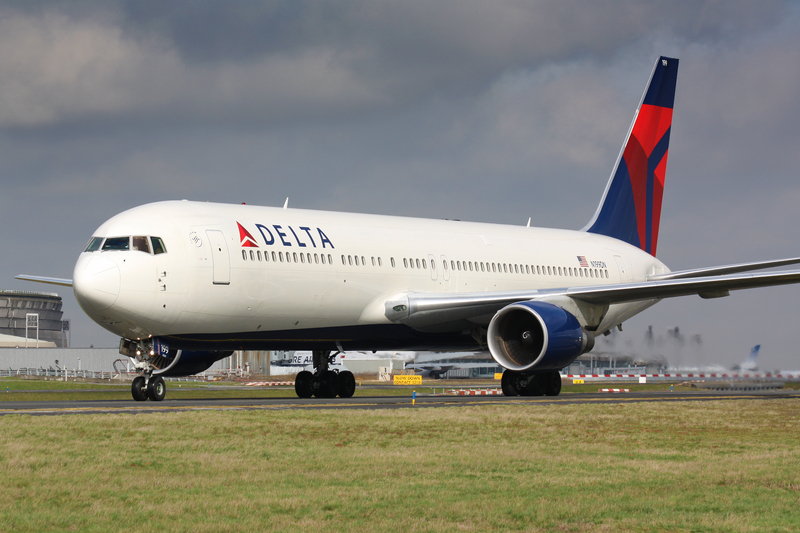
For anyone tracking replacement logic, the targets are familiar: Delta’s remaining Boeing 767 fleet and older widebody lift that becomes progressively harder to justify as engine shop visits, heavy checks, and parts economics tighten.
The Bigger Context: Delta Just Added the Boeing 787-10 Too
Delta’s Airbus-heavy widebody strategy has been well established for years, especially after it retired its Boeing 747 flying and then accelerated the exit of the Boeing 777 fleet. But January’s big storyline is that Delta is now running a dual-track widebody strategy:
-
30 Boeing 787 Dreamliners (787-10) ordered as a new fleet type for Delta
-
31 Airbus widebodies layered on top: 16 A330-900neos + 15 A350-900s
That combination is revealing. Delta isn’t swinging wildly between manufacturers—it’s buying mission-fit lift and building a long-term bridge away from aging widebodies, while keeping enough optionality to scale up or pause depending on demand and delivery realities.
Why This Matters for Hubs Like ATL, JFK, LAX and Beyond
Widebody orders are ultimately hub-and-bank decisions.
Adding more A330-900neos and A350-900s supports Delta’s ability to:
-
Build long-haul schedules with better time-of-day coverage (more choice across departure banks at ATL, JFK, and LAX)
-
Maintain a consistent premium product across the network, especially on routes where corporate share and joint-venture flows matter
-
Improve resiliency in peak seasons when disruption recovery becomes a widebody availability problem, not just a crew problem
Delta has pointed to long-haul markets including Taipei (TPE), Melbourne (MEL), Hong Kong (HKG), and Riyadh (RUH) as examples of the kinds of demand profiles that benefit from modern widebodies—routes where payload, range, premium seat mix, and cargo all interact in ways narrowbody economics can’t solve.
Bottom Line
Delta’s 31-aircraft Airbus order isn’t just a fleet headline—it’s a structured, late-decade capacity and replacement move: 16 A330-900neos and 15 A350-900s, with deliveries beginning in 2029 and options for 20 more if the network and premium demand justify it. Combined with Delta’s new 30-aircraft Boeing 787-10 commitment, the airline is clearly building a long-haul fleet designed around two priorities: premium revenue density and lower lifecycle complexity as older widebodies phase out across hubs like ATL, DTW, JFK, and LAX.
Keep reading FlyMag
Get the Daily Brief in the morning or the Route Watch weekly recap on Fridays. Or both.