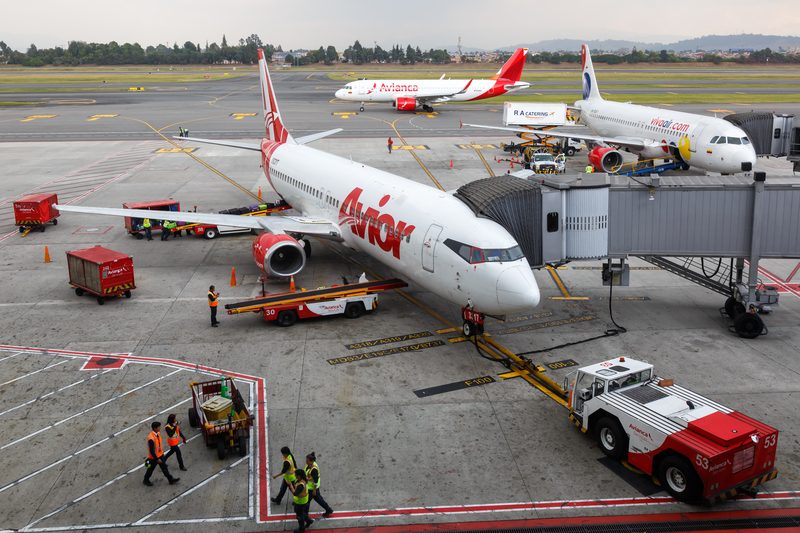
Avior has asked U.S. regulators to refresh and expand its authority for nonstop flights to Miami and Houston—moves that would position the airline to re-enter a market that’s been effectively closed to Venezuelan carriers since 2019.

Key Takeaways:
-
Avior is seeking permission to resume and add U.S. routes, with Miami as the main target and Houston also proposed.
Read our stories in your inbox
Two aviation newsletters. Zero fluff.
-
Any restart depends on U.S. government approvals and security reviews, plus broader regulatory hurdles tied to Venezuela’s aviation oversight.
-
The timing comes as U.S.–Venezuela air links show signs of thawing, prompting multiple airlines to explore a return.
What Avior is asking for
Venezuelan carrier Avior Airlines has filed with the U.S. Department of Transportation to update its economic authority in anticipation of restarting service to the United States.
This isn’t a simple “new route” story. Direct commercial flying between the U.S. and Venezuela has been shaped by years of security and regulatory restrictions, and any restart is contingent on multiple layers of government sign-off—not just a carrier’s schedule filing.
Routes Avior wants to fly
In its request, Avior outlined four routes it wants cleared:
-
Barcelona, Venezuela (BLA) – Miami (MIA): General José Antonio Anzoátegui International Airport to Miami International Airport
-
Caracas (CCS) – Miami (MIA): Simón Bolívar International Airport to Miami
-
Maracaibo (MAR) – Miami (MIA): La Chinita International Airport to Miami
-
Barcelona, Venezuela (BLA) – Houston (IAH): Barcelona to George Bush Intercontinental Airport
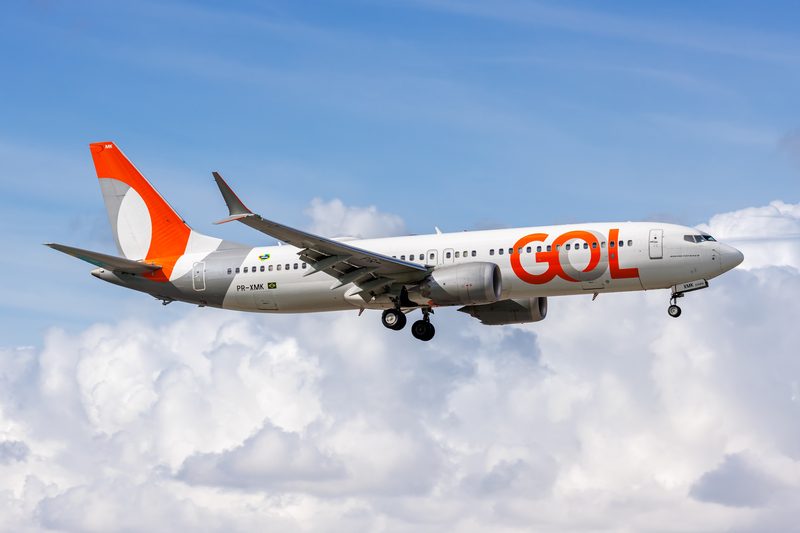
Operationally, these are well within narrowbody range. Avior’s fleet is built around classic Boeing 737 variants (notably 737-200s and 737-400s), aircraft capable of covering Venezuela–Florida and Venezuela–Texas sectors without unusual performance requirements.
Why demand exists
Even without nonstop service, demand between Venezuela and South Florida remains structurally strong:
-
VFR traffic (visiting friends and relatives): South Florida has deep Venezuelan community ties, which tends to produce durable, year-round demand even when fares rise.
-
Business and essential travel: Energy, services, and cross-border family logistics keep a baseline of higher-urgency trips in the market.
-
Network effects at Miami: Miami’s connectivity (and sheer scale of Venezuela-linked traffic historically) makes it the obvious first target if any carrier gets back in.
If Avior (or any airline) becomes an early mover, it could see short-term pricing power—but also intense scrutiny on reliability and passenger handling, because pent-up demand is usually paired with high expectations.
The big hurdles
Even if Avior has aircraft and crews ready, three hurdles loom larger than marketing or schedule design:
1) U.S. approvals and security sign-offs
Any restart requires U.S. government authorization and security assessments. This is especially sensitive because the U.S. has previously restricted flights citing safety and security conditions.
2) Venezuela’s aviation oversight status
For Venezuelan airlines, the status of Venezuela’s civil aviation oversight in U.S. safety assessments matters. If Venezuela remains in a restricted category, it can limit Venezuelan carriers’ ability to launch or expand service into the U.S. (even if the airline itself is operationally capable).
3) Operational credibility in a premium, high-frequency market
Miami is a tough arena. It rewards consistency: on-time performance, predictable operations, and a product passengers trust. Launching with older aircraft can work, but only if dispatch reliability and customer handling are solid—especially during irregular operations.
What happens next
If regulators accept the application pathway, the next steps typically involve docketing, reviews, and formal notices/approvals—plus the parallel security and safety processes that can move on different timelines.
The key point for travelers: a filing is not a launch. It’s the paperwork that keeps the option alive if—and only if—the policy environment allows flights to resume.
Bottom Line
Avior is trying to get its U.S. permissions lined up for a possible return to nonstop Venezuela–U.S. flying, centered on Miami with Houston also proposed. The demand story is real, but the decision ultimately lives with regulators and security authorities—and the hardest part won’t be selling seats, it’ll be clearing the approvals and operating consistently in one of the most scrutinized international markets in the Americas.
Keep reading FlyMag
Get the Daily Brief in the morning or the Route Watch weekly recap on Fridays. Or both.