Stored airframes are becoming “new capacity” again
Russian carriers are increasingly turning to aircraft that were parked years ago—some even before 2022—to keep schedules intact as sanctions continue to complicate fleet renewal and parts supply.
What’s changing in 2026–2027 isn’t simply the return of one or two nostalgia jets. Multiple reports point to a broader, structured effort: reactivating older Soviet/Russian-built types that can be supported domestically, while also bringing back foreign-built aircraft whose maintenance has become far more challenging—but sometimes still possible through workaround supply chains.
The restoration program: 12 parked Russian-built jets, with 10 already back
At the center of the discussion is a refurbishment program involving 12 mothballed aircraft that began in 2022, according to reporting carried by Russian and international outlets.
Read our stories in your inbox
Two aviation newsletters. Zero fluff.
The mix is notable because it spans three very different mission types:
-
9x Tupolev Tu-204 / Tu-214 family
-
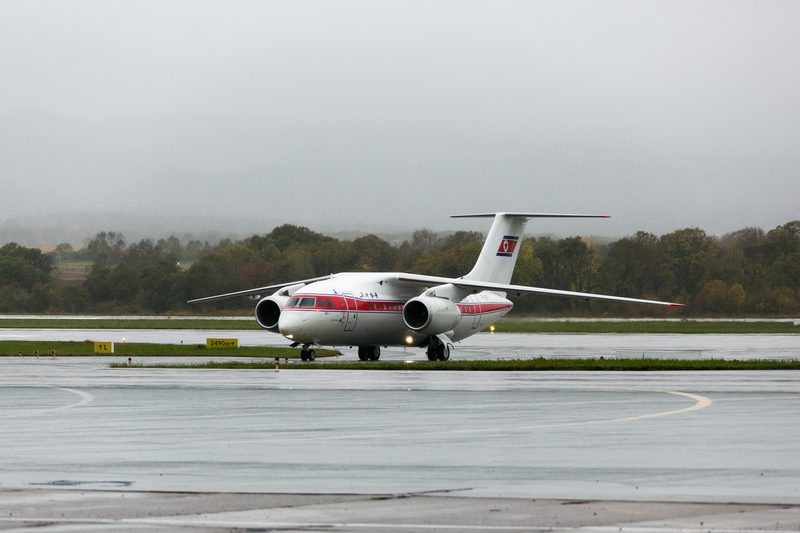
1x Antonov An-148
-
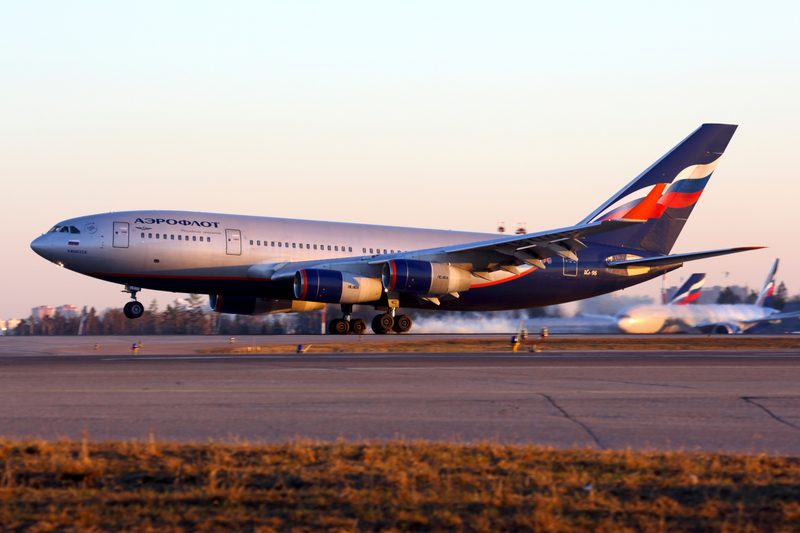
2x Ilyushin Il-96
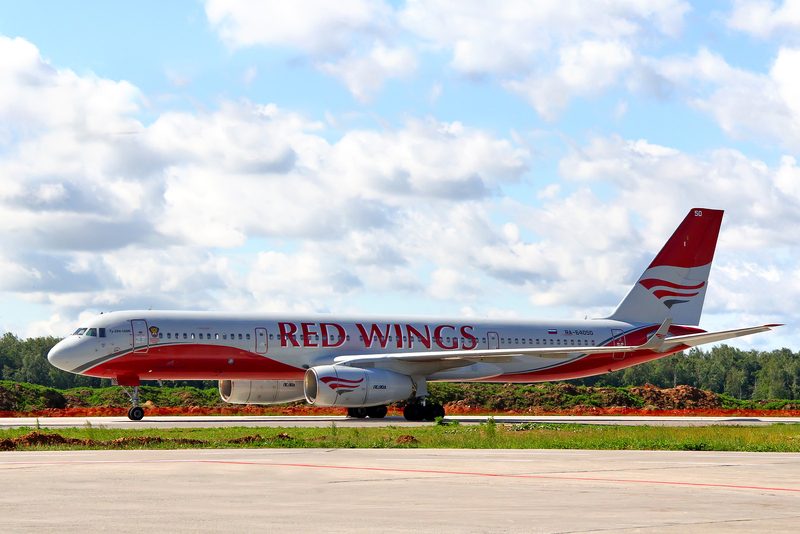
Reporting indicates 10 of the 12 have already returned to service with operators including Red Wings—a carrier with a strong presence around Moscow Domodedovo (DME)—with the remaining two Tu-204s expected to follow by 2026 and 2027.
For airline professionals, the subtext is clear: Russia is looking for lift that doesn’t depend on OEM support from Airbus or Boeing, even if that lift comes with steep compromises in fuel burn, dispatch reliability, and cabin economics compared with modern narrowbodies.

Why the Tu-204/Tu-214 is back in the conversation
The Tu-204/214 is often described as Russia’s “757-era” narrowbody: a twinjet built for medium-haul missions, typically seating in the ~200-seat range depending on layout and interior density.
Operationally, it brings two advantages in today’s Russian context:
-
Domestic supportability: It’s a platform Russia can sustain more independently than Western narrowbodies, especially when the supply chain is constrained.
-
Useful gauge for trunk routes: In a market where widebodies are too large and regional aircraft too small, the Tu-204 class can sit in the middle—at least on paper.

But there are tradeoffs that any network or maintenance team will recognize immediately:
-
Economics: It’s not a next-generation narrowbody. Compared with modern A320neo-family aircraft, older designs typically carry a meaningful fuel and maintenance penalty.
-
Reliability risk: Reactivating long-stored frames is never “plug and play.” Aging wiring, corrosion control, component obsolescence, and supply availability all stack up quickly.
The Il-96: a four-engine widebody reappears—mostly for niche roles
The Ilyushin Il-96 is the most eye-catching type in the restoration list, because it’s a four-engine widebody—a configuration the global airline industry has largely moved away from for commercial flying due to operating cost and maintenance complexity.
In modern airline economics, an Il-96 only makes sense when an operator values:
-
Availability over efficiency (aircraft that can be kept airworthy domestically, even if they’re expensive to run), and/or
-
Specialized roles such as government transport or certain cargo missions where utilization patterns differ from mainstream passenger networks.
It’s not a widebody you’d choose for margin expansion. It’s a widebody you keep flying when the alternative is not having a widebody at all.
The An-148: a complicated return for a regional jet with a history
The Antonov An-148 is a smaller regional jet, generally associated with 70–80-seat missions depending on layout. Its return is operationally significant because the aircraft type has faced scrutiny over the years and is inherently harder to support in a high-sanctions environment given its cross-border industrial heritage.
From a fleet planning standpoint, however, the logic is the same: if you have stored assets you can reactivate, every airframe that can be made dispatchable becomes a tool to protect domestic connectivity—especially outside the Moscow (SVO/DME/VKO) core.
Foreign aircraft are also coming back—starting with the Boeing 747
Alongside the domestic types, multiple reports indicate Russian airlines are also de-mothballing foreign-built aircraft, including older jets that have been parked for years.
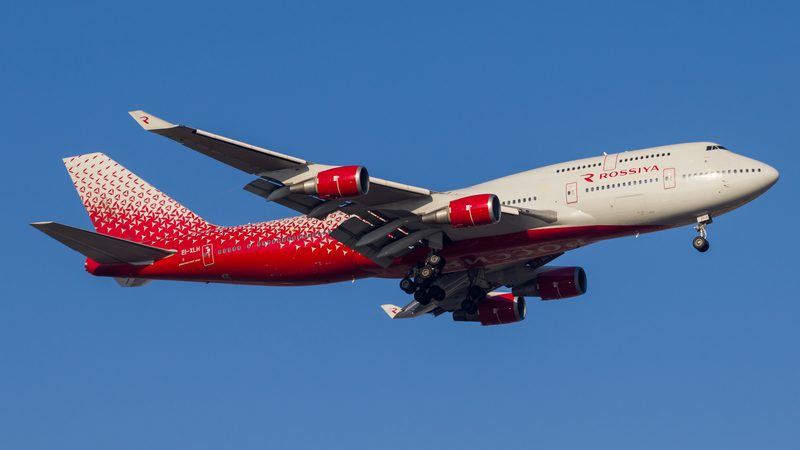
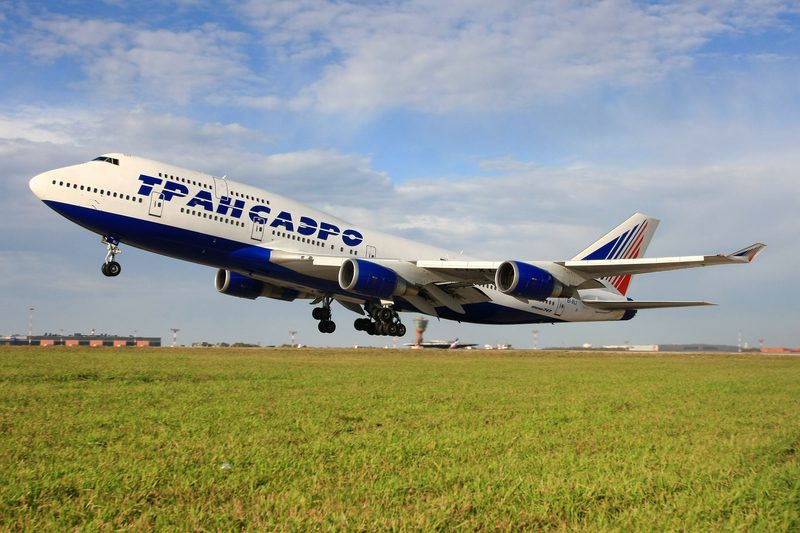
The headline example: Rossiya Airlines—a major operator based around St. Petersburg Pulkovo (LED)—is reportedly preparing to expand operations with Boeing 747-400s that were placed into storage during the pandemic period, after entering its fleet following Transaero’s collapse in 2015–2016.
For aviation insiders, the 747 angle is fascinating for three reasons:
-
It’s a high-capacity hammer: The 747-400 can move a lot of passengers in one rotation, which is useful when aircraft availability is the constraint.
-
It’s older—but widely understood: Mature aircraft types sometimes have more accessible aftermarket pathways than newer models, simply because parts, inventories, and third-party expertise exist in more places.
-
It’s maintenance-intensive: A stored 747 isn’t just an engine run and a fresh C-check. Bringing it back reliably is a long, expensive re-entry process—especially without standard OEM pipelines.
Some reporting also suggests parts procurement for the type accelerated in 2025, with refurbishment work potentially routed through “friendly” jurisdictions that maintain legacy Boeing capability. Even if those channels exist, the operational question remains: how consistently can the aircraft be supported once it’s back on the line?
Fleet math: why airlines are being pushed into these decisions
One reason these reactivations matter is the scale of Russia’s overall fleet challenge.
As of October 2025, Russian regulators and reporting cite a fleet of 1,135 aircraft, with 1,088 considered in operation or airworthy, and roughly two-thirds described as foreign-made—exactly the segment most exposed to sanctions-driven maintenance constraints.
On top of that, aviation officials have warned of significant attrition by 2030, including the retirement or withdrawal of large numbers of both domestic and foreign aircraft as airframes age and parts shortages intensify.
The hard reality is this: when you’re operating near the ceiling of what’s serviceable, the next capacity source is often not a new delivery—it’s the boneyard.
Bottom Line
Russia’s carriers appear to be entering a period where reactivation and life-extension become core tools of network preservation. The mix—Tu-204/214s, an An-148, Il-96s, and potentially Boeing 747-400s—reads less like a strategic fleet modernization plan and more like a capacity triage strategy.
For route planners, this could stabilize schedules in the near term, especially on domestic trunk flying from hubs like Moscow (SVO/DME/VKO) and St. Petersburg (LED). For maintenance and safety teams, it raises the stakes: older airframes can fly safely, but they demand relentless engineering discipline—and that discipline becomes harder when spare parts and standard support channels are constrained.
Keep reading FlyMag
Get the Daily Brief in the morning or the Route Watch weekly recap on Fridays. Or both.