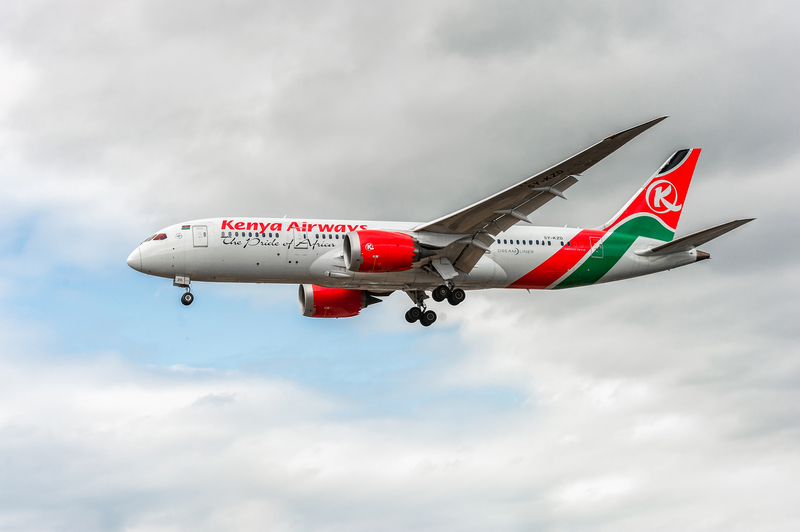
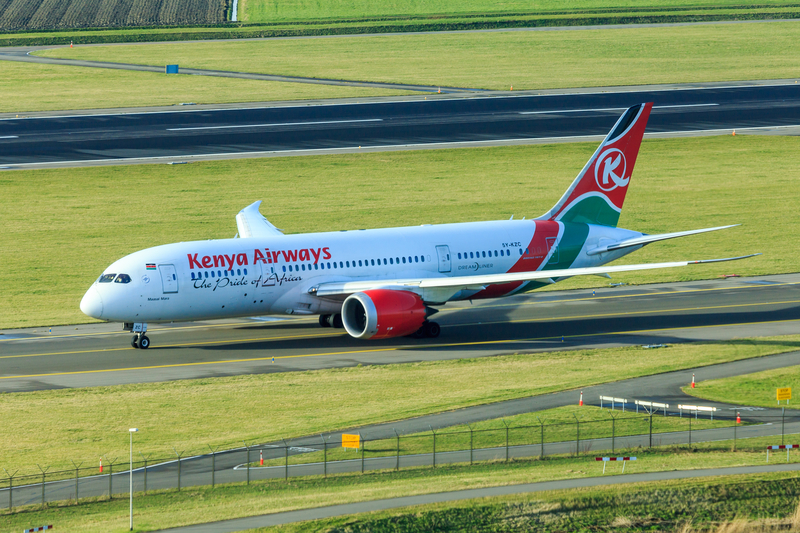
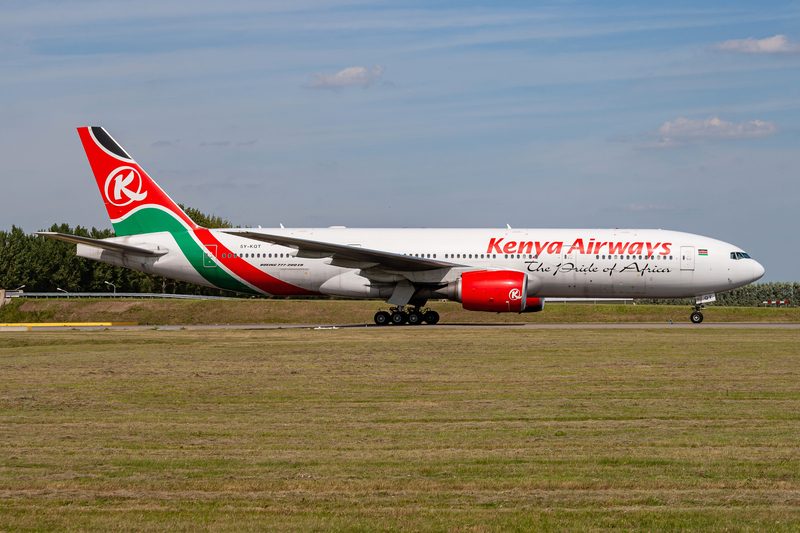
Kenya Airways (KQ) is leaning into a trend that’s reshaping airline economics worldwide: selling the destination, not just the seat. In a new partnership announced in Nairobi on March 2, 2026, the carrier has teamed up with TUI Airline Holidays to relaunch KQ Holidays—a revamped, dynamic packaging platform designed to promote Kenya as a year-round tourism destination while giving the airline a higher-margin revenue stream beyond airfares.


For passengers, the headline is convenience: one booking path that can bundle flights, hotels, transfers, and curated experiences. For airline professionals, the bigger story is strategy: Kenya Airways is formalizing a stopover-driven product that converts Nairobi Jomo Kenyatta International Airport (NBO) connections into short stays—monetizing the hub in a way that’s increasingly common among global network carriers.
What KQ Holidays actually is: a modern airline holiday platform, not a brochure
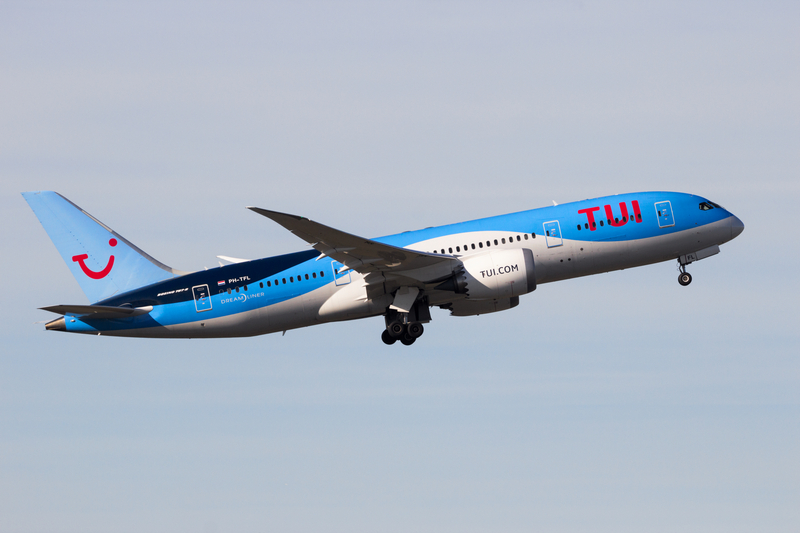
The relaunched KQ Holidays is built on TUI’s white-label technology, meaning the booking engine, dynamic packaging logic, and real-time inventory management are powered by TUI’s systems but branded and distributed as Kenya Airways’ own product.
Read our stories in your inbox
Two aviation newsletters. Zero fluff.
Functionally, that enables:
-
Dynamic packaging: customers can build tailored bundles (flight + hotel + transfer + activities) rather than choosing static pre-built tours.
-
Real-time inventory: availability and pricing pull from live hotel and service supply, not a fixed allotment that can go stale.
-
Standalone or bundled purchases: travelers can book individual components (e.g., transfers or experiences) or fully packaged trips.
That kind of architecture is crucial if you’re trying to sell stopovers, because stopovers don’t behave like traditional week-long holidays. They’re shorter, often booked closer in, and more sensitive to “friction” in checkout.
The key differentiator: stopovers for transit passengers at Nairobi (NBO)
The relaunch is explicitly designed to turn Nairobi (NBO) into more than a connection point.
Kenya Airways is targeting passengers already transiting through NBO—especially those connecting between Europe, the Middle East, Africa, and parts of Asia—by letting them add a Kenya stopover as part of the same coordinated booking.
Operationally, that matters because a stopover product only works if it’s seamless:
-
Connection windows need to be realistic (not just technically legal).
-
Visa and entry guidance must be clear and baked into the experience.
-
Transfers must be reliable, especially at night banks.
-
Hotels need to be positioned to match the passenger’s time budget (Nairobi city, airport area, or coastal add-ons for longer stays).
-
Irregular operations handling must be defined—if the inbound flight is delayed, who rebooks the hotel transfer? Who absorbs the cost?
A well-designed platform can automate much of that complexity and make stopovers commercially viable at scale.
Why Kenya Airways is doing this: revenue diversification with higher margin potential
KQ’s Chief Commercial and Customer Officer Julius Thairu framed the relaunch as a way to diversify revenue while enhancing customer value beyond air travel. That’s airline language for a core reality: ancillary and travel-retail revenue is often more resilient than base fares, especially when yield pressure rises.
Holiday packaging can deliver:
-
Incremental revenue per passenger (hotel margin, transfer margin, experience margin)
-
Lower acquisition cost than third-party OTAs if sold through KQ’s own channels
-
Stronger route economics by stimulating inbound demand during shoulder seasons
-
Better load factors through bundled pricing that makes airfares feel more attractive
For a hub carrier like Kenya Airways, it’s also a network play. A passenger choosing a 48-hour Nairobi stopover can become a higher-yield customer than someone purely connecting—because you’ve added non-air components and increased the “stickiness” of the itinerary.
TUI’s angle: deeper Africa footprint without owning the airline seat
For TUI, the deal expands its presence in Africa through a partner-led model. By providing the technology backbone and packaging expertise, TUI gains distribution and revenue opportunity without needing to operate the long-haul flying itself.
TUI’s Head of Specialist Businesses Danyal Kaya described the partnership as a way to unlock additional revenue while offering experience-led products—essentially positioning Kenya Airways as both a carrier and a retailer, with TUI supplying the machinery behind the storefront.
The product promise: “sustainable and experience-led” needs operational proof
Both partners are also emphasizing sustainability and community impact—language that resonates with modern travelers but requires real implementation to hold credibility.
For airline professionals, this is where execution will be judged:
-
Are experiences sourced through vetted local operators?
-
Does the platform surface conservation-friendly options (parks, reserves, responsible wildlife encounters)?
-
Are community-based products priced and promoted in a way that fairly distributes value?
-
Is the stopover product designed to manage overtourism risk in sensitive areas?
Done well, “experience-led” becomes a differentiator that improves conversion. Done poorly, it becomes marketing copy with no long-term value.
Bottom Line
Kenya Airways’ relaunch of KQ Holidays—powered by TUI Airline Holidays—is a strategic step toward monetizing Nairobi (NBO) as more than a transit hub. By enabling travelers to bundle flights, hotels, transfers, and curated experiences—and by explicitly targeting stopovers for connecting passengers—KQ is building a higher-margin revenue stream while pushing Kenya as a year-round destination.
For aviation insiders, this is the real test: can KQ turn connections through NBO into measurable tourism conversion, improve network economics in shoulder periods, and build a scalable travel-retail engine that complements the airline business rather than distracting from it? If the operational details match the vision, KQ Holidays could become one of the most commercially meaningful non-flying initiatives the airline has launched in years.
Keep reading FlyMag
Get the Daily Brief in the morning or the Route Watch weekly recap on Fridays. Or both.