Condor and Qantas have launched an interline and frequent-flyer partnership, opening single-ticket journeys between the German leisure carrier’s network and Australia and New Zealand.


Under the agreement announced September 1, passengers can combine flights operated by both airlines on one ticket and check baggage through to their final destination. Qantas Frequent Flyer members can also redeem Qantas Points for Condor flights in Economy Class, Premium Economy Class and Business Class.
The airlines identified Bangkok Suvarnabhumi (BKK), Johannesburg (JNB), Los Angeles (LAX), San Francisco (SFO), New York Kennedy (JFK), Vancouver (YVR), Paris Charles de Gaulle (CDG) and Rome Fiumicino (FCO) as connecting points where their networks overlap. The arrangement is an interline agreement rather than a codeshare, so each operating airline retains its own flight number.
Read our stories in your inbox
Two aviation newsletters. Zero fluff.
Eight Gateways Link the Networks
The gateway list gives the partnership a wider geographic spread than a conventional connection built around one hub. Bangkok and Johannesburg provide Asian and African options, while the four North American airports allow passengers to combine Qantas’ Pacific services with Condor’s transatlantic network.
Paris and Rome offer connections at the European end of Qantas’ long-haul system. Qantas’ international network includes service to Paris and a seasonal Rome operation, alongside flights linking Australia with Johannesburg, Bangkok and major North American gateways.
Condor, meanwhile, has broadened its model beyond carrying passengers directly between Frankfurt (FRA) and leisure markets. Its summer 2026 timetable includes daily Frankfurt flights to both CDG and FCO, allowing Qantas passengers arriving in those cities to continue into Condor’s Frankfurt-centered European and long-haul network without constructing a separate booking.
The North American connections are also relevant for New Zealand. Qantas serves JFK from Auckland (AKL), while its Australian network reaches LAX, SFO and YVR. Those gateways provide alternatives to routing entirely through Asia or the Middle East, although the usefulness of each combination will depend on operating days and connection times.
Condor said combined itineraries can be sold through its website and travel agencies. Placing both sectors on one ticket removes the need to collect and recheck baggage at the transfer point where local procedures permit through handling, and avoids treating the flights as an independently assembled self-connection.
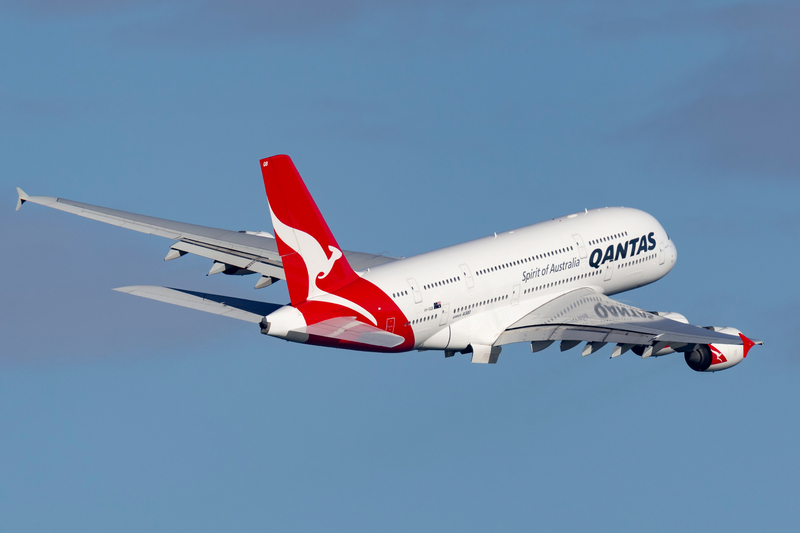
Qantas Points Gain Access to Condor’s Three Cabins
The loyalty component is focused on Qantas Frequent Flyer members, who can now use points for seats across Condor’s network. The addition is particularly relevant for members seeking European leisure destinations beyond the cities directly served by Qantas.
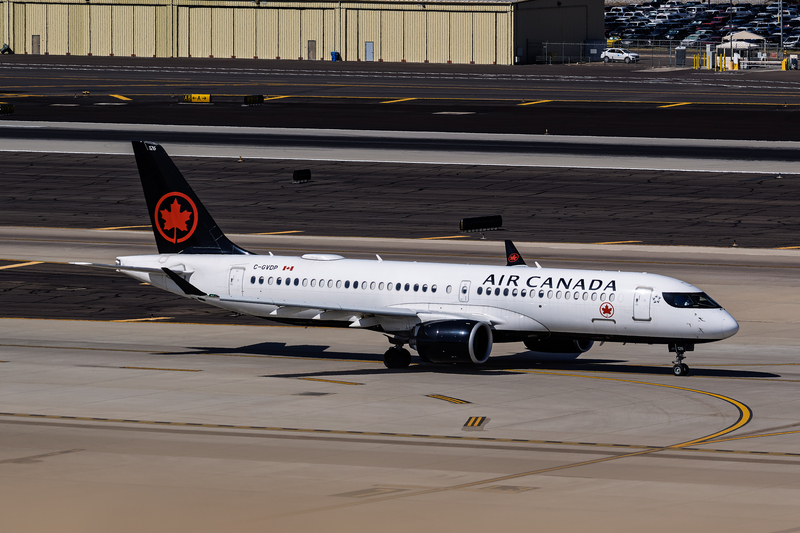
Condor flies to more than 90 destinations across Europe, the Mediterranean, North America, Central America and the Caribbean. The airline’s schedule includes a dense selection of seasonal markets in Greece, Spain, Italy and the eastern Mediterranean, complementing Qantas’ long-haul emphasis on major international gateways.
Qantas Loyalty Chief Executive Andrew Glance said nearly one-third of international seats booked with points by the program’s members are on partner airlines. Qantas says its eligible airline network gives members access to more than 1,300 destinations, although reward-seat availability remains limited and taxes, fees and carrier charges are payable in addition to points.
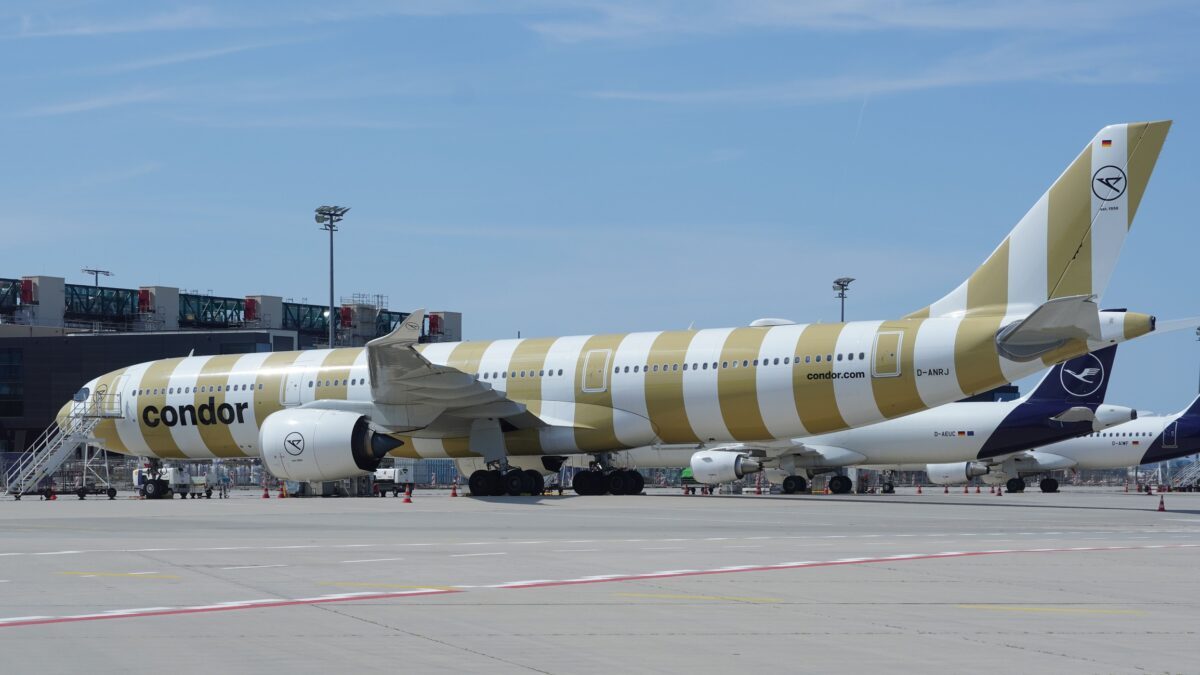
The ability to redeem in all three Condor cabins includes the airline’s Airbus A330-900neo long-haul product. Condor configures the aircraft with 310 seats: 30 in Business Class, 64 in Premium Economy and 216 in Economy. Business Class uses a 1-2-1 layout with direct aisle access and seats converting into beds measuring about 6 feet 6 inches.
Condor lists a range of 7,829 miles for the Airbus A330-900neo, which is powered by Rolls-Royce Trent 7000 engines. The airline completed the replacement of its Boeing 767 fleet in 2024 and now uses A330neos throughout its own long-haul operation.

On the Qantas side, passengers may encounter the Boeing 787-9 or Airbus A380 on several of the longer sectors feeding the partnership. Qantas’ Boeing 787-9 carries 236 passengers across Business, Premium Economy and Economy, with a full-payload range of 9,008 miles. Its refurbished Airbus A380 seats 485 and is used on selected Los Angeles and Johannesburg services.
Condor Builds a Virtual Long-Haul Network
The Qantas agreement forms part of a rapid expansion of Condor’s airline partnerships. In its partnership announcement, Condor said it had entered nine interline agreements since the beginning of 2026. A separate cooperation with Thai Airways also took effect September 1.
Those agreements extend Condor’s reach into markets where operating its own aircraft would require substantial fleet and commercial commitments. Qantas gives it access to Australia and New Zealand through several gateways rather than requiring Condor to establish an ultra-long-haul route from Frankfurt.
The strategy also increases the value of Condor’s growing short-haul network at FRA. Daily links to cities including Paris, Rome, Milan, Prague, Vienna and Zurich give the carrier more opportunities to feed its A330-900neo operation and distribute passengers arriving on long-haul partners.
For Qantas, Condor adds a carrier whose network is weighted toward leisure destinations rather than the major business centers already covered by Qantas and its established partners. That makes the agreement most valuable as a network extension: Qantas supplies the long sector from Australia or New Zealand, while Condor provides onward access through Frankfurt or another shared gateway.
Bottom Line
Qantas Frequent Flyers are the clearest immediate beneficiaries. Condor adds a substantial pool of European and transatlantic leisure flying, including a genuine Premium Economy cabin and an all-A330-900neo long-haul product. The practical value will be determined by the amount of reward inventory Condor releases, particularly during the European summer when demand from Australia is strongest.
For Condor, the agreement illustrates how the airline is using interline partnerships to build reach beyond the physical limits of its fleet. Australia is a difficult market to serve economically from Frankfurt with Condor’s current aircraft, but Qantas supplies that connectivity through eight possible transfer points without either carrier having to concentrate the partnership at a single hub.
The next measure of the relationship will be whether it progresses beyond interlining and points redemption. A broader loyalty arrangement or selected codeshares would improve visibility in each airline’s sales channels, but even in its initial form the partnership gives both carriers a credible way to exchange passengers across Europe, Africa, Asia and North America.
Keep reading FlyMag
Get the Daily Brief in the morning or the Route Watch weekly recap on Fridays. Or both.