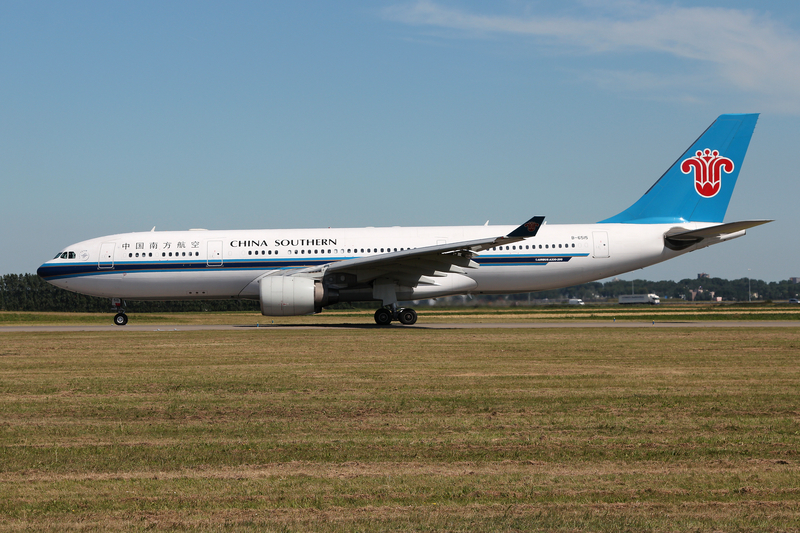
China Southern Airlines has started building a new cargo and maintenance base in Urumqi, a project that says as much about western China’s logistics ambitions as it does about the airline’s own operational strategy.

The investment, worth more than CNY1.6 billion, will create a combined MRO and cargo platform scheduled to enter service in 2028. For China Southern, this is not just another airport facilities project. It is a long-term infrastructure move in one of the most strategically important aviation locations in inland China.
For aviation readers, the significance is clear. Urumqi is no longer just a western outstation. It is increasingly being positioned as a gateway between China and Central Asia, Europe, and other westbound trade corridors.
Read our stories in your inbox
Two aviation newsletters. Zero fluff.
The Project Has Two Distinct Purposes
The buildout combines two core functions: maintenance and cargo.
On the maintenance side, the project includes a 65,991-square-meter hangar, which is expected to become the largest civil aviation hangar in northwestern China. On the cargo side, phase one will cover around 60,000 square meters, including more than 20,000 square meters of terminal space for both domestic and international freight.
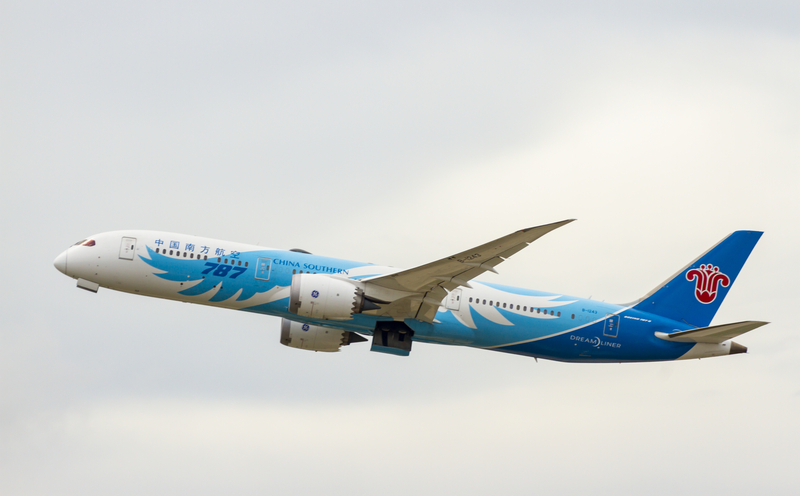
That split matters. China Southern is not just adding engineering capacity or just adding freight handling. It is creating an integrated support platform that can service aircraft while also strengthening Urumqi’s role as a cargo-processing point.
That kind of pairing makes strategic sense at a growing inland hub.
Urumqi Is The Real Story Behind The Investment
The location is as important as the infrastructure itself.
Urumqi Tianshan International Airport (URC) has become one of China’s most important western aviation gateways, not simply because of its size, but because of its geography. Sitting deep in Xinjiang, Urumqi is far closer than China’s eastern megahubs to Central Asia, parts of the Middle East, and many westbound overland and air freight corridors.
That geographic position gives it unusual value in cargo planning. A maintenance and cargo base there is not only about serving local demand. It is about supporting a broader westward logistics strategy.
For China Southern, this means Urumqi can function as more than a domestic spoke. It can become a serious operating and freight-support node inside the airline’s wider network.
The MRO Piece May Be More Important Than It Looks
The maintenance side of the project deserves close attention.
Large hangars are not built just for prestige. They indicate a long-term commitment to keeping aircraft support, heavy checks, and technical capability closer to where the airline wants to grow. In practical terms, that can reduce ferry time, improve aircraft availability, and make western operations more self-sufficient.
For an airline as large as China Southern, that matters operationally. A stronger maintenance footprint in Urumqi can support both the airline’s own aircraft and the wider development of aviation-related industry in the region.
That is one reason these projects often matter beyond the carrier itself. MRO infrastructure tends to anchor broader aerospace activity.
Cargo Is Clearly Central To The Logic
The cargo element is just as revealing.
China has been steadily pushing Urumqi as a westbound freight hub, and the timing of this project fits that trend. Recent cargo-route growth from Xinjiang to overseas markets has already highlighted how the region is being used more aggressively as an air-logistics bridge.
China Southern’s investment suggests it wants to be deeply embedded in that process.
A dedicated cargo terminal and support area at Urumqi gives the airline more room to handle freight flows more efficiently, particularly on routes tied to trade, e-commerce, and western China’s role in wider Belt and Road logistics patterns.
In other words, this is not only an airline facilities project. It is also a supply-chain infrastructure project.
The Central Government Backing Matters
The project is also linked to a wider central government support scheme for the Xinjiang Uyghur Autonomous Region.
That matters because it places the build in a broader policy context rather than just a commercial one. Investments of this scale in Xinjiang often reflect national strategic priorities as much as local airport demand. In aviation terms, that usually means the airport or region is expected to carry importance beyond immediate passenger volumes.
For China Southern, being part of that development aligns the airline with a broader state-backed push to build more industrial, logistics, and transport capability in western China.
That does not make the project any less commercial. But it does show that the project sits inside a much wider strategic framework.
2028 Is The Key Date To Watch
The facility is expected to be completed and placed into service in 2028.
That timeline is important because it shows this is not a short-term capacity patch. It is a medium-term infrastructure commitment designed to shape how China Southern operates in the region over the rest of the decade.
For aviation observers, the real question now is not whether the base is being built. It is how aggressively China Southern will use it once it opens — particularly on the cargo side, where Urumqi’s location could make it increasingly valuable in a world of shifting trade flows and more complex route planning.
Bottom Line
China Southern’s new Urumqi base is a significant infrastructure bet on western China’s aviation future. With more than CNY1.6 billion in investment, a huge new hangar, and a sizable first-phase cargo terminal, the project is designed to strengthen both aircraft support and freight capacity at one of China’s most strategically placed airports.
For China Southern, this is not simply about expanding facilities. It is about turning Urumqi Tianshan International Airport (URC) into a more capable maintenance and logistics platform inside a broader westward growth strategy. If the project develops as planned, the most important impact may not be local alone. It may be how much more central Urumqi becomes to China’s wider air cargo map.
Keep reading FlyMag
Get the Daily Brief in the morning or the Route Watch weekly recap on Fridays. Or both.