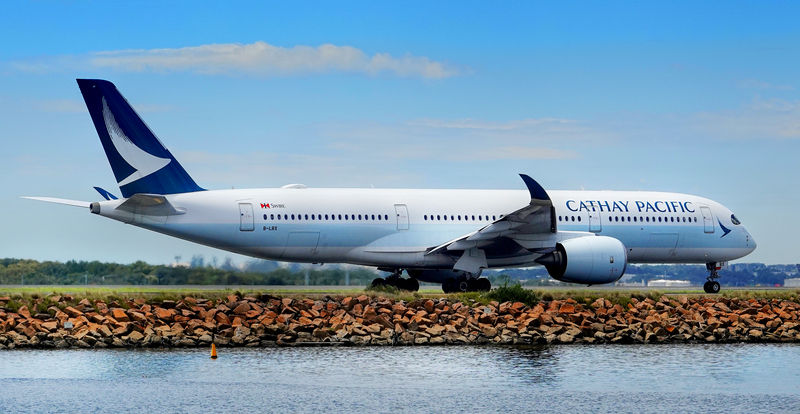
Cathay Pacific will return to Seattle–Tacoma International Airport in spring 2026, restoring a transpacific link it cut during the pandemic. The move adds a ninth North American gateway for the carrier and lands squarely in the middle of Seattle’s evolving long-haul chessboard—where partner Alaska Airlines is building global ambitions and Delta remains the home-field incumbent.

Route Details
-
Start date: March 30, 2026
-
Frequency: 5x weekly (Mon, Tue, Wed, Thu, Sat)
Read our stories in your inbox
Two aviation newsletters. Zero fluff.
-
Flight numbers / schedule:
-
Block times: ~11h40m eastbound; ~13h55m westbound
-
Aircraft: Airbus A350-900 (approx. 280 seats: 38J / 28W / 214Y)
Award seekers take note: early partner business-class availability is loaded, bookable via American AAdvantage and Alaska Atmos Rewards.
Why Now
-
Demand recovery beyond O&D: Cathay highlights stronger flows to Mainland China and India via Hong Kong; Seattle’s tech-heavy catchment and Asia ties help.
-
Network rebuild momentum: With transpacific capacity scaling back toward pre-2020 levels, SEA returns as the closest U.S. mainland gateway to HKG by great-circle distance, aiding fuel and crew efficiency.
-
Cargo logic: A350 belly space supports high-yield tech, e-commerce, and perishables—key transpacific revenue stabilizers on shoulder days.
Competitive Context
-
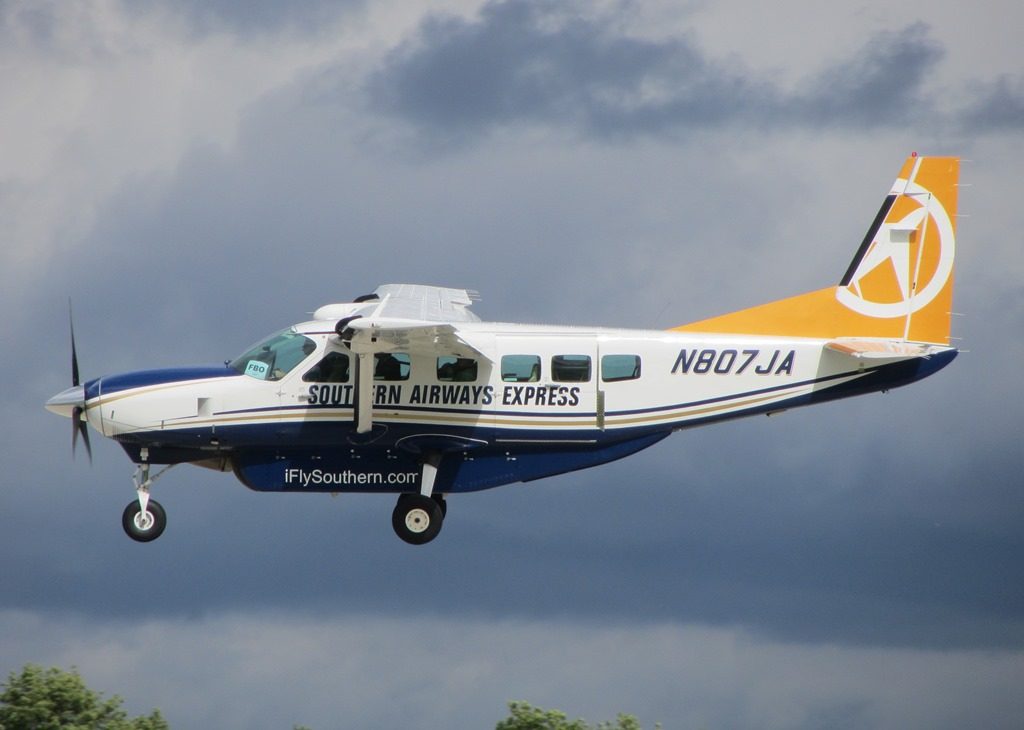
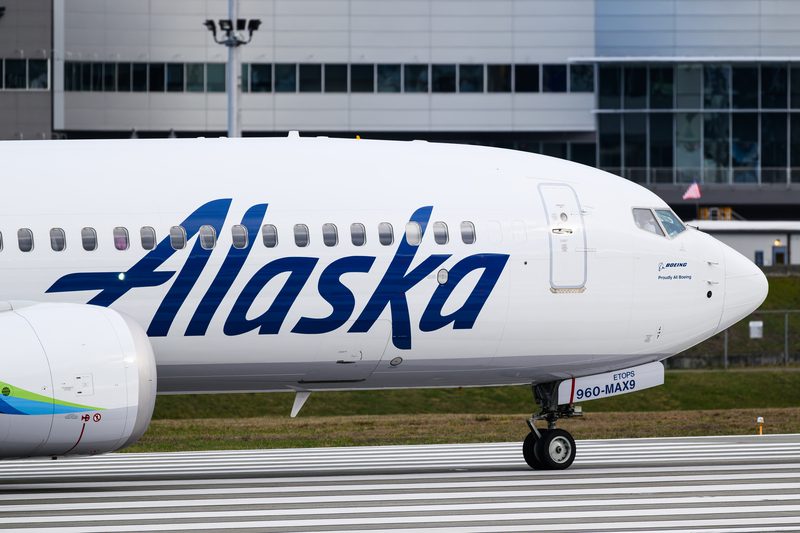
Alaska Airlines factor: Alaska is methodically adding long-haul links from SEA (Tokyo-NRT, Seoul-ICN and more planned by 2030). Hong Kong is an obvious next candidate. Cathay’s return secures oneworld presence and soaks up premium/connecting demand that might otherwise justify an Alaska launch.
-
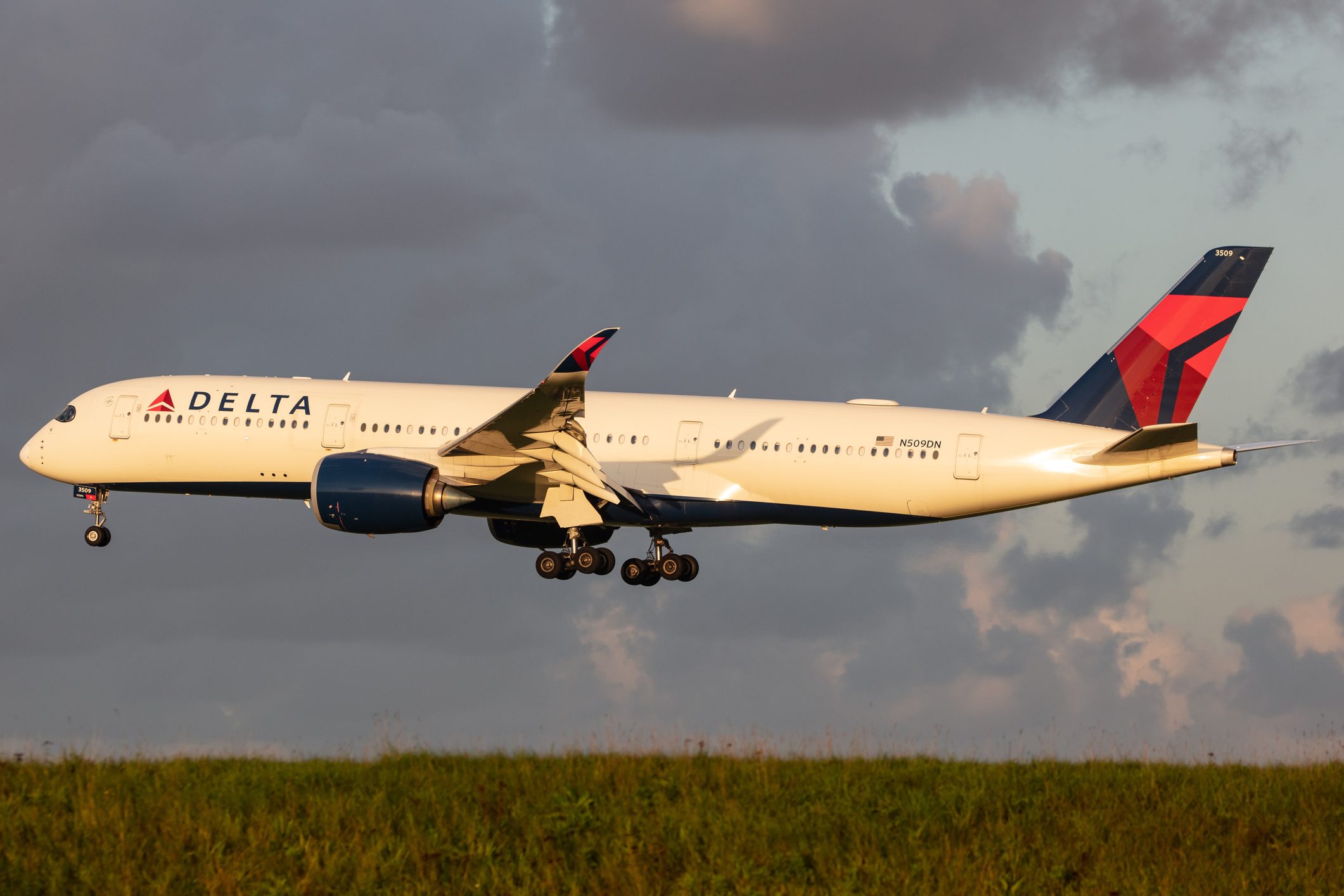
Delta’s move—just not from SEA: Delta is re-entering Hong Kong from Los Angeles, not Seattle. Cathay’s timing at Delta’s Pacific stronghold keeps the HKG brand visible on the West Coast while avoiding direct head-to-head on LAX–HKG (where Cathay already dominates).
-
Star Alliance pathways: United funnels Seattle-to-Asia mainly via SFO/LAX hubs; a nonstop HKG option from SEA dents some Star-bound leakage through SFO.
Connectivity & Feed
-
Seattle side: Strong onward connectivity with Alaska across the Pacific Northwest, Mountain West, California, and secondary U.S. markets—critical to fill a 5x weekly A350 consistently.
-
Hong Kong side: Dense bank of Mainland China and South Asia connections plus Southeast Asia leisure flows. Daytime westbound from SEA enables same-evening arrivals into HKG’s late-night bank.
Product & Experience
-
Cabin: A350-900 with modern air, humidity, and lower cabin altitude; lie-flat business class, true premium economy, and seatback IFE throughout.
-
Schedule cadence: Late-morning SEA departure and mid-afternoon next-day HKG arrival suit business travelers and minimize red-eye pain outbound.
-
Loyalty: Redeem/earn with AAdvantage and Alaska; oneworld elites retain lounge/priority benefits on both ends.
Risks To Watch
-
Frequency ladder: 5x weekly is credible for yield, but a daily step-up typically cements corporate contracts; watch for a frequency increase if loads/yields cooperate.
-
Macro volatility: Transpacific demand and geopolitics can swing quickly; Hong Kong’s transfer strength helps, but consistency matters.
-
Alaska’s next move: If Alaska pursues HKG later, the market may support coexistence seasonally—but Cathay’s first-mover status sets the benchmark.
Bottom Line
Cathay’s SEA comeback is equal parts network logic and competitive signal. It locks in oneworld coverage at a rapidly globalizing Seattle hub, counters Delta’s broader West Coast narrative, and preempts any Alaska long-haul ambitions to Hong Kong. With a rational 5x-weekly A350 and early partner award space, this is a savvy return—one that could scale to daily if the connecting math works.
Keep reading FlyMag
Get the Daily Brief in the morning or the Route Watch weekly recap on Fridays. Or both.