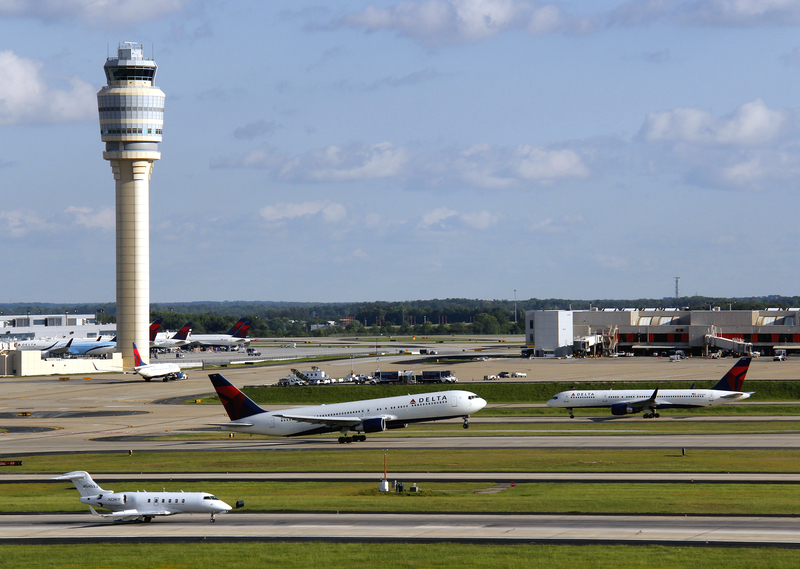
Hartsfield-Jackson Atlanta International Airport (ATL), the busiest airport in the world, is now seriously exploring whether to replace federal TSA screening with private contractors operating under federal oversight.
That is a much bigger deal than it sounds.
Atlanta is not just another airport looking for a process tweak. It is a Category X facility, one of the highest-security classes in the United States, and no airport of that size and security profile has yet made this switch. The fact that city leaders are now willing to study it at all shows how badly the airport believes the recent shutdown exposed its vulnerability.
Read our stories in your inbox
Two aviation newsletters. Zero fluff.
For aviation readers, the story is not really about privatization ideology. It is about reliability.
The Shutdown Was The Breaking Point
The immediate trigger was the spring 2026 federal shutdown and its impact on TSA staffing.

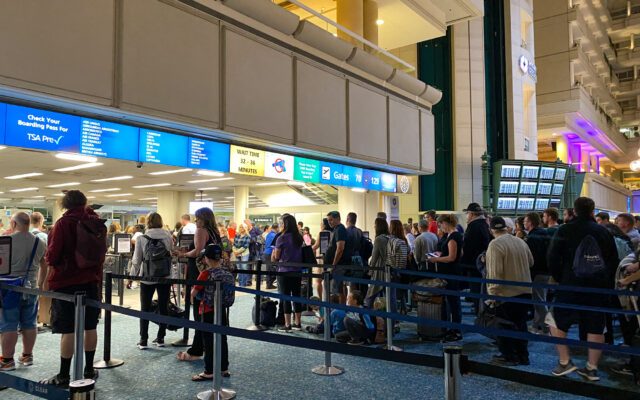
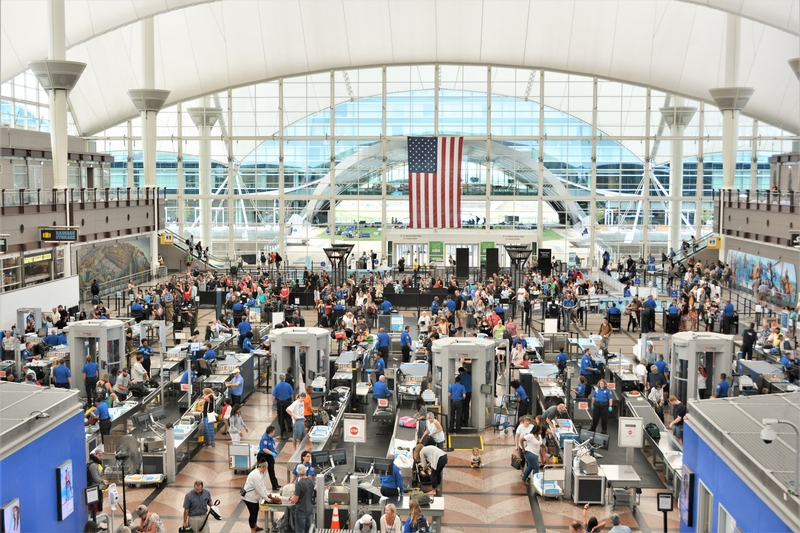
At ATL, around 36% to 40% of screeners reportedly did not show up during the worst of the disruption, and the airport’s security operation nearly buckled under the pressure. Checkpoint lines stretched for hours, queues spilled well beyond the normal screening footprint, and the airport’s role as the nation’s biggest hub suddenly became a liability rather than a strength.
That is what changed the tone of the debate.
Atlanta leaders are no longer asking whether private screening is theoretically possible. They are asking whether continuing with a federally dependent workforce is operationally sustainable if Washington breaks down again.
This Is Not About Eliminating TSA Oversight
One point needs to be kept clear: the proposal is not to remove TSA from the picture entirely.
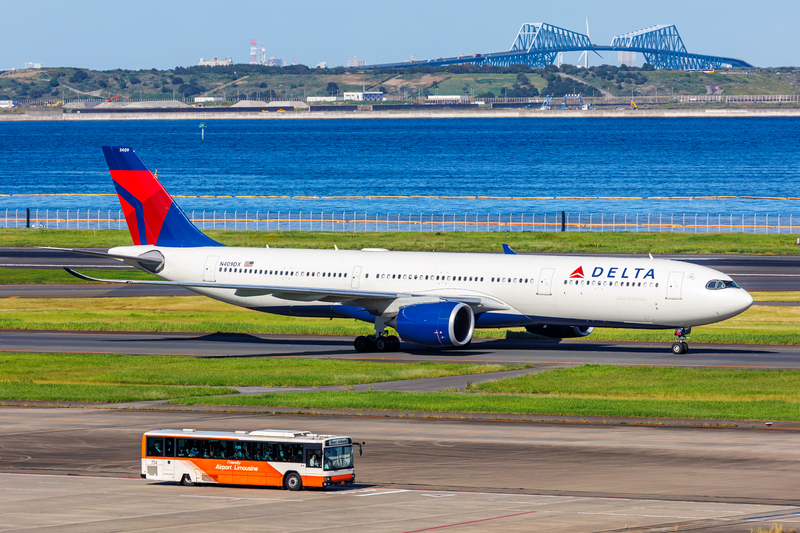
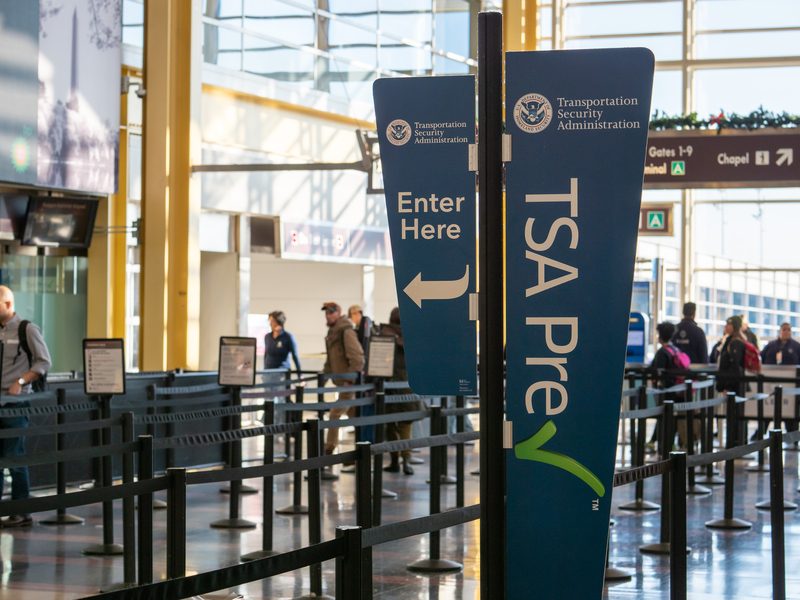
What Atlanta is studying is the Screening Partnership Program, under which private security contractors handle frontline screening while TSA continues to set standards, supervise operations, and regulate performance. More than 20 U.S. airports already use this model, including San Francisco International Airport (SFO), which has frequently been cited as an example of how private screening can avoid the same shutdown-related staffing collapses that hit federally staffed airports.
That distinction matters because the real comparison is not “security versus no security.” It is federal workforce versus private workforce under federal rules.
Atlanta Approved A Feasibility Study, Not A Conversion
The airport is not switching tomorrow.
The Atlanta City Council voted 11–1 to approve a feasibility study into whether ATL should pursue the private-screening model. The city’s Department of Aviation is expected to deliver the results in about 90 days, after which airport and city leaders will decide whether to move forward or leave the current TSA structure in place.
That is an important nuance. This is an investigation into whether the model makes operational and financial sense for ATL, not a finalized decision.
Still, the fact that the vote happened at all is a major step.
Why Atlanta Is Different From Smaller SPP Airports
The size of ATL changes everything.
Smaller airports can adopt private screening with relatively limited national consequences. Atlanta cannot. This is the world’s busiest airport by passenger traffic, a Delta megahub, and one of the most operationally consequential airports in the global system. A disruption there spreads fast across the U.S. domestic network and well beyond it.
That is why the idea carries so much weight. If a private-screening model is considered viable for ATL, it could reshape the national discussion about airport security resilience.
The Real Issue Is Continuity During Political Failure
Supporters of the study are making a practical argument, not a symbolic one.
Their view is that airport security should not be crippled because federal workers go unpaid during a government shutdown. Private screening companies in the SPP model are funded differently and are generally less exposed to the direct political funding interruptions that hit TSA employees during shutdowns.
That is the heart of the Atlanta argument: the airport wants a screening model that does not stop functioning just because Congress does.
For an airport of ATL’s scale, that is a serious operational question, not just a policy talking point.
The Labor Objections Are Real
The idea also has real critics, and they are not hard to understand.
TSA’s union strongly opposes privatization, arguing that shifting to contractors could weaken collective bargaining power, put pressure on wages and working conditions, and create incentives for companies to prioritize margins in ways that may not always align with workforce stability. Local officials have also raised concerns about what the move could mean for public-sector jobs and broader economic impact in metro Atlanta.
That means the feasibility study is not only about wait times and resilience. It is also about who does the work, under what labor structure, and with what long-term protections.
Even If The Model Works Elsewhere, ATL Is A Different Test
This is where the story becomes especially interesting.
Supporters often point to airports like San Francisco as proof that the model can work. That is fair. But ATL is a very different scale challenge. The volume, security complexity, staffing footprint, and network consequences of failure are all much larger. A system that is effective at a smaller or even mid-sized airport does not automatically scale seamlessly to the world’s busiest hub.
That is why the feasibility study matters so much. Atlanta is not just asking whether private screening is possible. It is asking whether it is possible here.
Bottom Line
Atlanta’s decision to study replacing TSA screeners with private contractors under federal oversight is a direct response to the shutdown chaos that nearly paralyzed the airport earlier this year. With roughly 36% to 40% of screeners reportedly absent during the worst of the crisis, city leaders are clearly no longer willing to assume the current model is resilient enough for the world’s busiest airport.
The airport has not made the switch. But it has crossed a more important line first: it has decided the question is serious enough to ask.
Keep reading FlyMag
Get the Daily Brief in the morning or the Route Watch weekly recap on Fridays. Or both.