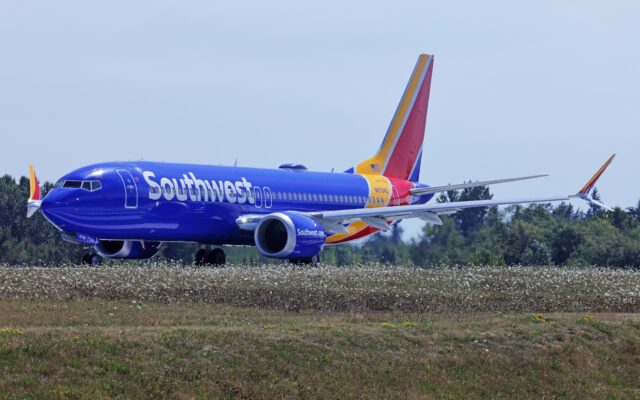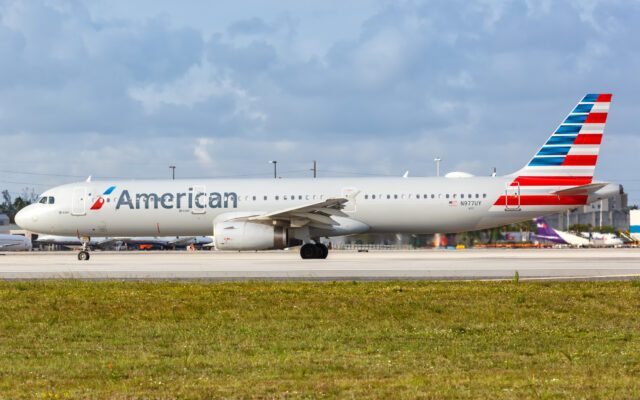
American Airlines will restore seatback entertainment across its mainline narrowbody fleet, reversing its reliance on passengers’ own phones, tablets and laptops for most domestic inflight entertainment.
Under the fleetwide cabin program announced August 18, every seat will receive a 4K display with Bluetooth audio and USB-C fast charging. American plans to install the equipment on retrofitted aircraft and on all new Airbus and Boeing deliveries beginning in 2028.
The airline expects to complete the narrowbody rollout early in the next decade. It has not identified the entertainment-system supplier or published a retrofit schedule by aircraft type.
Read our stories in your inbox
Two aviation newsletters. Zero fluff.
Displays Return as Part of a Wider Cabin Overhaul
The screens form one part of a larger investment in cabin density, premium seating and connectivity. American said it will increase the share of premium and extra-legroom seats on narrowbody departures from approximately 25% today to about 40% in the coming years.
Its Airbus A319 and Airbus A320 aircraft are already being modified with another row of domestic First Class. The Airbus A321neo fleet will also gain additional First Class capacity, while the incoming Boeing 737 MAX 10 is planned with 24 First Class seats.
American will enlarge Main Cabin Extra cabins on the majority of its narrowbody fleet. The work will also introduce redesigned seats, additional storage and revised cabin lighting, producing a more extensive interior change than a standalone entertainment retrofit.
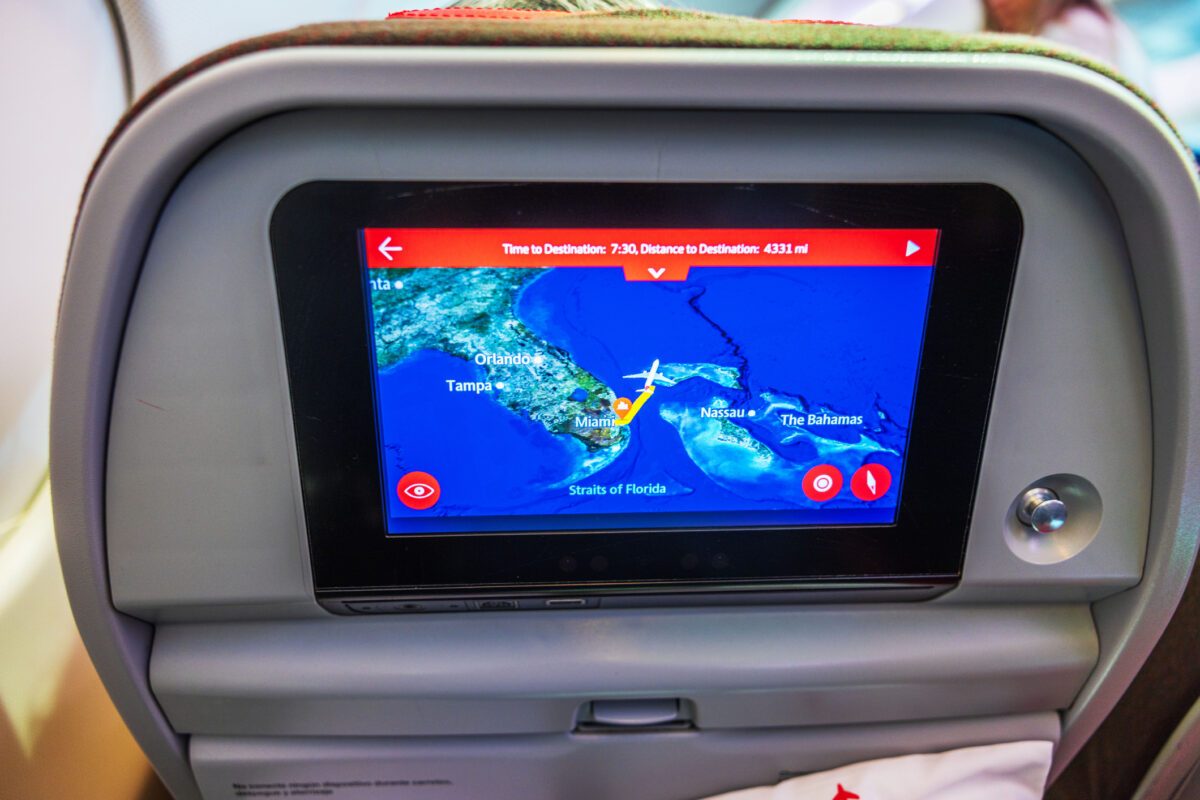
The seatback system will offer personalized content recommendations and an enhanced moving map with destination information and real-time flight data. American also says its premium-cabin displays will be among the largest fitted to narrowbody aircraft in North America.
Bluetooth connectivity at every seat will allow passengers to use wireless headphones without carrying an adapter. USB-C fast charging will supplement the power equipment already installed on much of the fleet and reduce the importance of passengers boarding with fully charged personal devices.
A Reversal of American’s Personal-Device Strategy
American spent much of the previous decade developing a narrowbody product centered on satellite connectivity, streaming entertainment and device holders rather than embedded displays. In 2019, the carrier said it had completed broadband Wi-Fi installation across more than 700 aircraft in its long-term mainline narrowbody fleet. Its onboard plan at the time called for passengers to stream movies, television and live channels to their own devices.
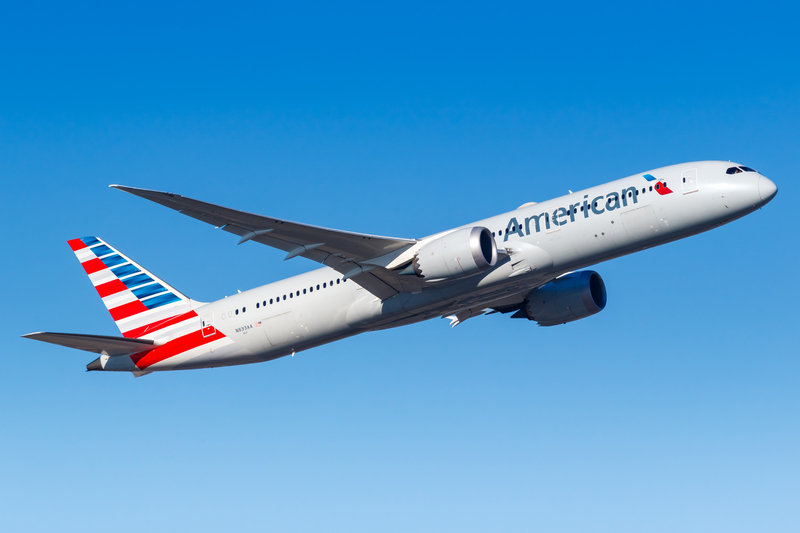
Seatback entertainment never disappeared from American entirely. Its widebody fleet retained embedded systems, as did the dedicated Airbus A321 transcontinental subfleet and a portion of the Airbus A319 fleet. The Airbus A321XLR also entered service with displays throughout the cabin.
The carrier’s current aircraft specifications, however, show personal-device entertainment as the standard product on most domestic narrowbodies, including the 196-seat Airbus A321neo. That distinction will gradually disappear as the retrofit program advances.
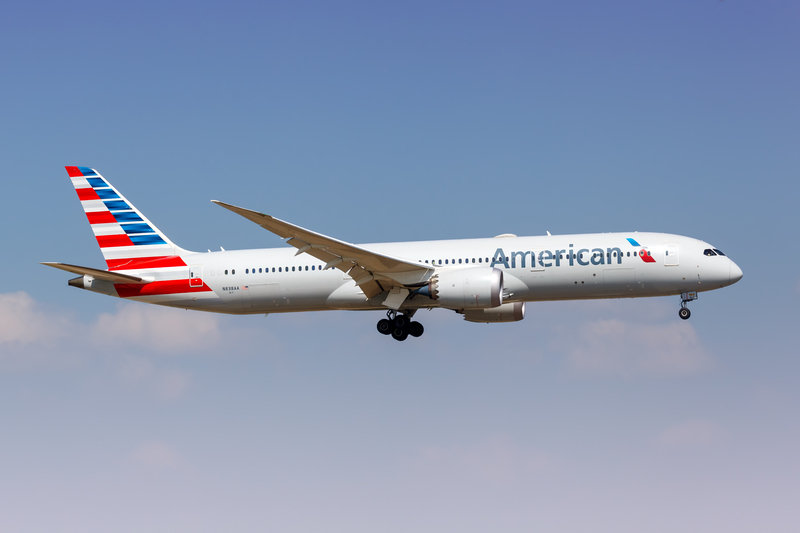
American has already introduced the core elements of its next-generation entertainment product on newer long-haul aircraft. Its premium-heavy Boeing 787-9 has 4K QLED displays, Bluetooth connectivity and USB-C and AC power in every cabin. The 244-seat Boeing 787-9 configuration combines 51 Flagship Suite seats, 32 Premium Economy seats and 161 economy seats.
The narrowbody project takes that display-led approach from selected long-haul and premium aircraft to the much larger domestic operation. American said more than 140 of its long-haul aircraft already have seatback screens.
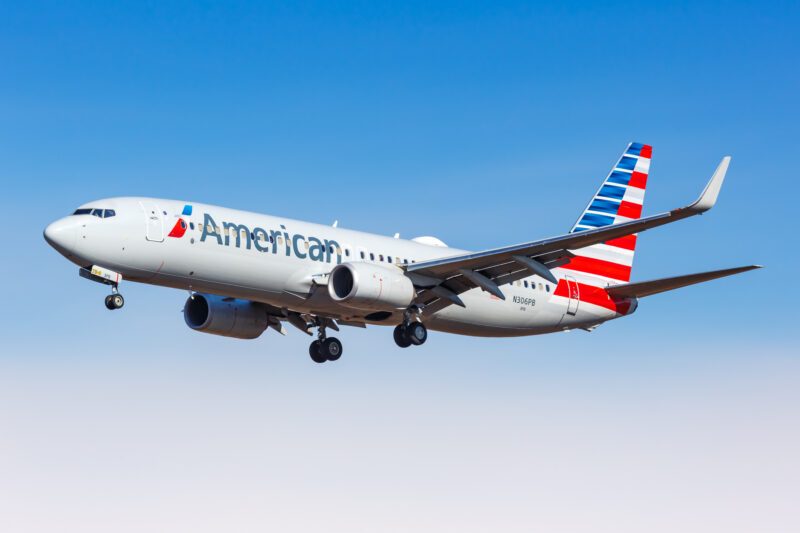
Retrofit Program Covers a Large and Varied Fleet
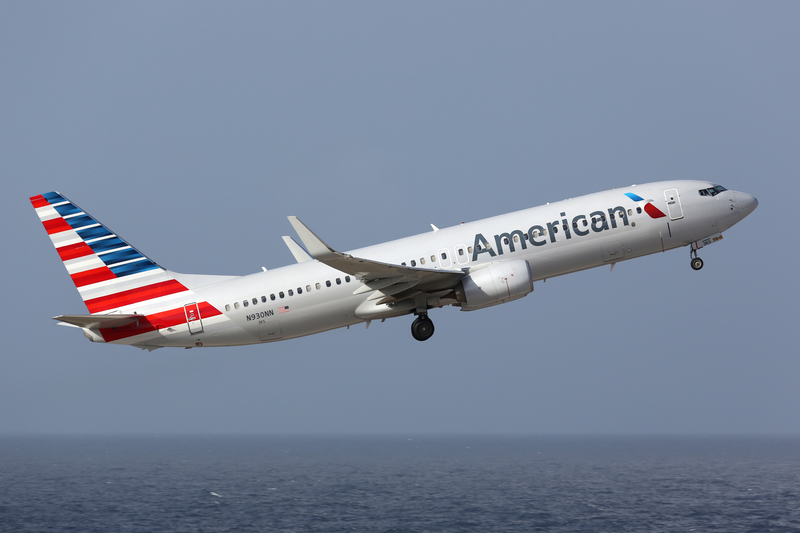
The scale of the work is substantial. An American Airlines financing presentation based on fleet data as of June 30, 2026, listed 487 Airbus A320-family aircraft and 406 Boeing 737-family aircraft. Those totals include aircraft with markedly different ages, cabin layouts and remaining service lives.
American has no immediate need to replace large portions of that fleet, making cabin retrofits central to achieving a consistent product. Its narrowbody operation includes older Airbus A319, A320 and A321 aircraft alongside Airbus A321neos, Boeing 737-800s and Boeing 737 MAX 8s. The Airbus A321XLR and Boeing 737 MAX 10 add further variants to the mix.
New deliveries will support the transition, but they cannot complete it alone. American’s 2024 order included 85 Airbus A321neos and 85 Boeing 737 MAX 10s, with 30 previously ordered MAX 8s converted to the larger variant. The carrier said the MAX 10 would provide additional upgauging opportunities across domestic and short-haul international markets.
The aircraft order and retrofit plan was originally framed around increasing premium capacity. Adding displays throughout the cabin now broadens that investment beyond the forward rows and gives American a common passenger-facing platform across First Class, Main Cabin Extra and standard Main Cabin.
Starlink Will Complement Rather Than Replace the Screens
The decision does not mark a retreat from onboard connectivity. American plans to begin installing Starlink on narrowbody aircraft in 2027, one year before new Airbus and Boeing deliveries start arriving with the seatback displays.
The two systems serve different purposes. Starlink will support internet access and passengers’ own subscription services, while the embedded platform provides airline-controlled content, flight information and entertainment without requiring a passenger to unpack, position or charge another device.
That combination also gives American more control over the onboard interface. Personalized recommendations, destination content and potential commercial partnerships can be presented directly at every seat rather than through a portal that passengers must open on their own hardware.
Bottom Line
American’s decision signals that reliable connectivity has not made the seatback display obsolete. Streaming to personal devices reduced aircraft weight and simplified parts of the cabin, but it transferred practical burdens to the passenger: battery condition, screen size, device storage and compatible hardware. An embedded screen restores a consistent entertainment product while Starlink handles connectivity.
The more consequential element may be the integration of the screens with American’s premium-capacity program. Moving from roughly one-quarter to about 40% premium and extra-legroom seating changes the revenue profile of the narrowbody fleet. Larger First Class cabins, more Main Cabin Extra rows and a standardized digital interface give the airline more inventory to sell while narrowing the product gap between newly delivered aircraft and older airframes.
Execution will be the test. American must modify hundreds of aircraft without placing unnecessary pressure on available fleet time, while managing the added equipment, wiring, certification and maintenance requirements. The 2028 start for factory-equipped deliveries and the early-next-decade completion target show that this is a long-cycle fleet program rather than a quick response to passenger sentiment.
Keep reading FlyMag
Get the Daily Brief in the morning or the Route Watch weekly recap on Fridays. Or both.