American Airlines has added a new pin to its Bahamas map — and it’s the closest one to home. The carrier has launched the first-ever scheduled nonstop service between the United States and Bimini (BIM), operating from its Caribbean powerhouse hub at Miami (MIA). The hop is exceptionally short by airline standards: roughly 64 miles (about 56 nautical miles) end to end, with a block time under an hour and airborne time often closer to 30 minutes when conditions are favorable.

For American, the significance isn’t just novelty. BIM becomes the airline’s seventh destination in the Bahamas, reinforcing how strategically important the archipelago remains to American’s South Florida network — and how Miami continues to function as the airline’s de facto “Bahamas gateway.”
Read our stories in your inbox
Two aviation newsletters. Zero fluff.
The new route: MIA–BIM goes three times weekly on American Eagle
The service is operated under the American Eagle banner and is scheduled three times weekly:
-
MIA–BIM (AA4108): Mondays, Wednesdays, Saturdays
-
BIM–MIA (AA4108): return shortly after arrival

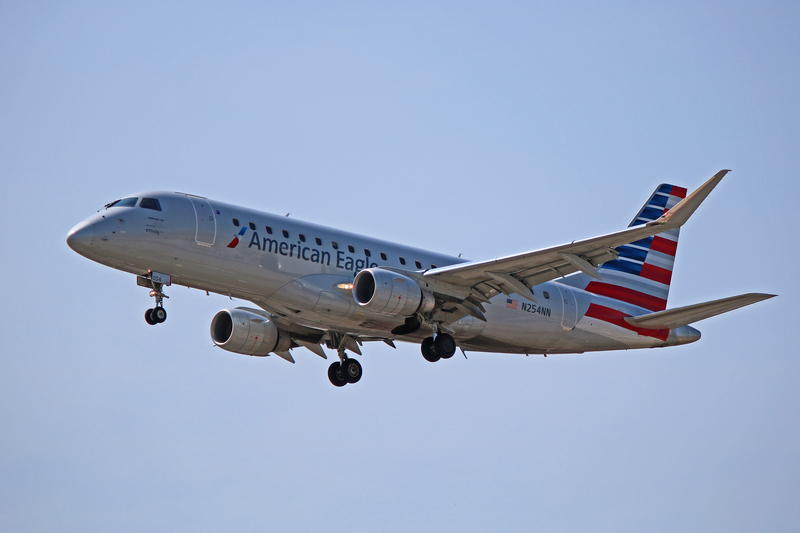
American has filed the service using Embraer E175 regional jets — a smart fit for an ultra-short international sector where the economics are driven less by cruise efficiency and more by fast turns, schedule reliability, and right-sized capacity.
The aircraft: Embraer E175, built for short-haul utility
American Eagle’s Embraer E175 is one of the most passenger-friendly aircraft in the U.S. regional category because it avoids middle seats in economy thanks to its 2–2 layout. In typical American Eagle configuration, the E175 seats 76 passengers, split into:
-
12 First Class seats (1–2)
-
64 Main Cabin seats (2–2), with a portion marketed as extra-legroom seats depending on configuration
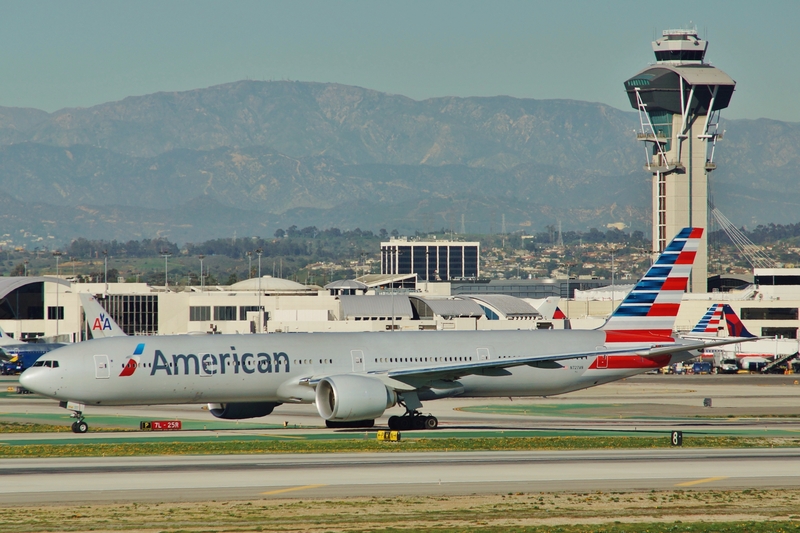
On a sector as short as MIA–BIM, the in-air portion is almost a formality. The value is in the overall trip chain: quicker airport processes, fewer moving parts, and the ability to connect into American’s massive bank structure at MIA.
Operationally, the E175 also matches the mission well. Its performance profile is well suited to shorter runways and quick-cycle flying, and the aircraft’s trip cost helps make thin leisure markets workable without forcing larger-gauge capacity into a new station.
Why Miami is the natural launch point
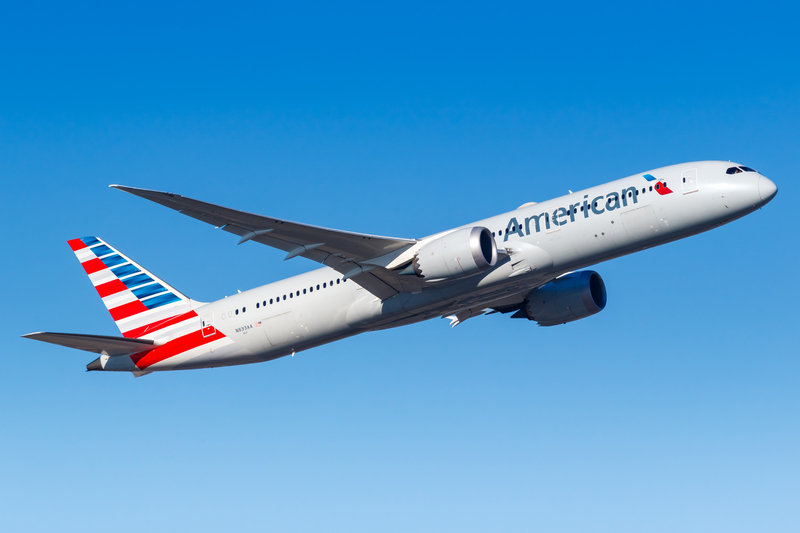
If you’re going to open a new Bahamas destination, Miami (MIA) is the obvious place to do it. American already runs a dense Bahamas schedule from MIA, and now operates nonstop service from Miami to all seven of its Bahamas points:
-
Nassau (NAS)
-
Freeport (FPO)
-
Marsh Harbour (MHH)
-
North Eleuthera (ELH)
-
George Town, Exuma (GGT)
-
Governor’s Harbour, Eleuthera (GHB)
-
Bimini (BIM)
That concentration matters. For a new market like BIM, the ability to sell not just local Miami traffic but also one-stop feed from across the U.S. makes the route far more resilient — especially when frequency is only three days per week.
What makes this route unusual: it’s “international,” but it behaves like a commuter flight
At around 56 nautical miles, MIA–BIM is shorter than many intra-state routes — yet it still carries the operational characteristics of an international flight: passports, border processing, and international handling at MIA. That mix creates an interesting commercial niche:
-
Leisure accessibility: Bimini becomes a realistic long weekend destination for travelers connecting through MIA — not just for South Florida residents.
-
Higher schedule sensitivity: When a flight is this short, taxi time and gate availability can matter almost as much as cruise performance.
-
Regional jet advantage: The E175’s cabin comfort and right-sized capacity are better suited than a larger narrowbody that would be inefficient on such a short stage length.
Could American add more frequencies later?
Three-weekly is classic “market test” structure — enough to build awareness and capture weekend demand without overexposing the schedule. If loads and yields hold up during peak leisure periods, there’s a clear path to seasonal growth, particularly around holiday weeks and winter travel peaks when South Florida–Bahamas demand strengthens.
The key variable won’t be distance or aircraft capability. It will be whether American can consistently capture high-value leisure traffic and connecting flows through MIA, while keeping the operation reliable enough that travelers treat BIM as “easy Bahamas,” not “easy only when everything goes right.”
Bottom Line
American’s new Miami (MIA)–Bimini (BIM) nonstop is a network move that’s small in miles but meaningful in strategy. At roughly 64 miles / 56 nautical miles, it becomes the shortest route in American’s system, operated three times weekly by American Eagle Embraer E175 aircraft. Just as important, it extends American’s Bahamas footprint to seven destinations, deepening Miami’s role as the carrier’s Caribbean hub and giving Bimini a simple, single-connection pathway from much of the United States.