American Airlines may be edging toward one of the more striking product reversals in the U.S. airline industry: bringing seatback screens back to its narrowbody fleet after spending years moving in the opposite direction.

That is still not official. What exists today is serious industry reporting that the airline is actively weighing a return to embedded inflight entertainment on narrowbody aircraft, with a decision potentially coming soon. If it happens, it would represent a clear break from a strategy American embraced in 2017, when it decided that most domestic passengers would rather stream content on their own phones, tablets, or laptops than use built-in screens.
At the time, the logic was simple. Removing seatback hardware cut weight, reduced maintenance complexity, and fit a narrower, more cost-conscious domestic product. In 2026, however, that same decision looks less like efficiency and more like a competitive handicap.
Read our stories in your inbox
Two aviation newsletters. Zero fluff.
Why American Is Revisiting the Idea Now
The pressure is not difficult to see. Delta and United have both turned embedded entertainment into an important part of their domestic onboard proposition, especially as the U.S. network carriers compete harder for premium leisure travelers and higher-yield business passengers.
United has pushed seatback screens aggressively across its narrowbody fleet as part of its broader cabin upgrade program, while Delta has expanded its Delta Sync seatback product across hundreds of aircraft and continues to tie screens, connectivity, and personalization together into one broader passenger-experience strategy.
That matters because seatback screens are no longer being sold as a standalone novelty. They are now part of a wider premium story that includes Bluetooth pairing, larger device ecosystems, live travel information, stronger content libraries, and faster onboard internet. In that environment, American’s long-standing argument that personal-device streaming alone was enough looks increasingly outdated.
American’s Narrowbody Cabin Tells the Story
One reason this debate has become so visible is that American’s own aircraft data now makes the contrast easy to see.
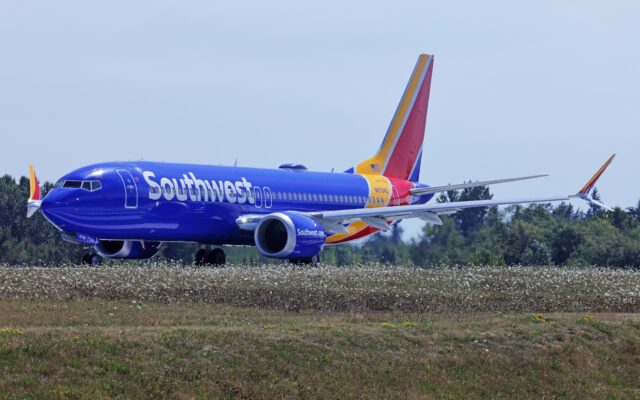
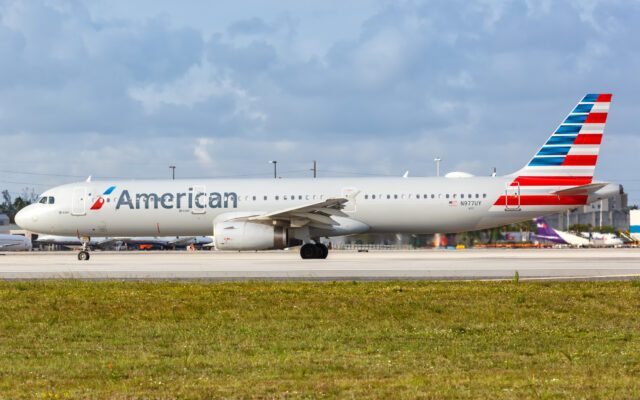
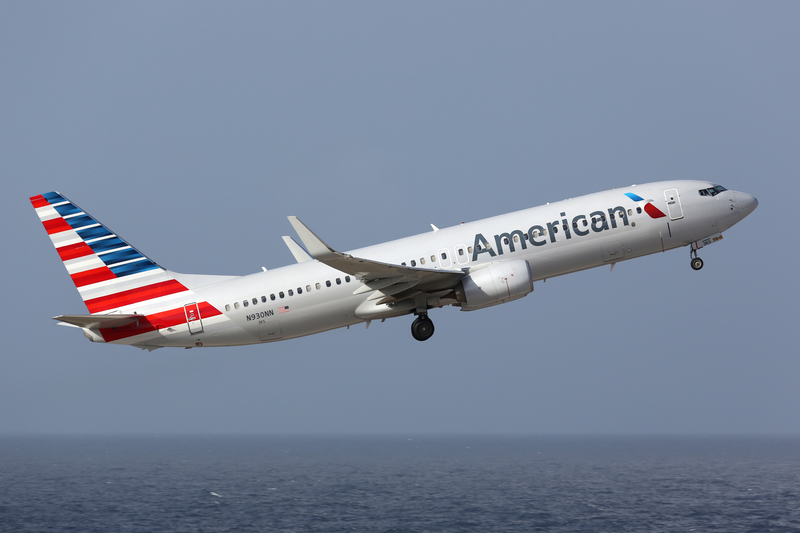
Across most of the airline’s core domestic narrowbody fleet, the onboard entertainment offering remains based on personal-device streaming rather than embedded screens. That applies to the Airbus A320, the standard Airbus A321, the Airbus A321neo, the Boeing 737-800, and the Boeing 737 MAX 8. These are the aircraft that do much of the day-to-day work across the domestic network, and on all of them American currently lists entertainment as “personal device.”
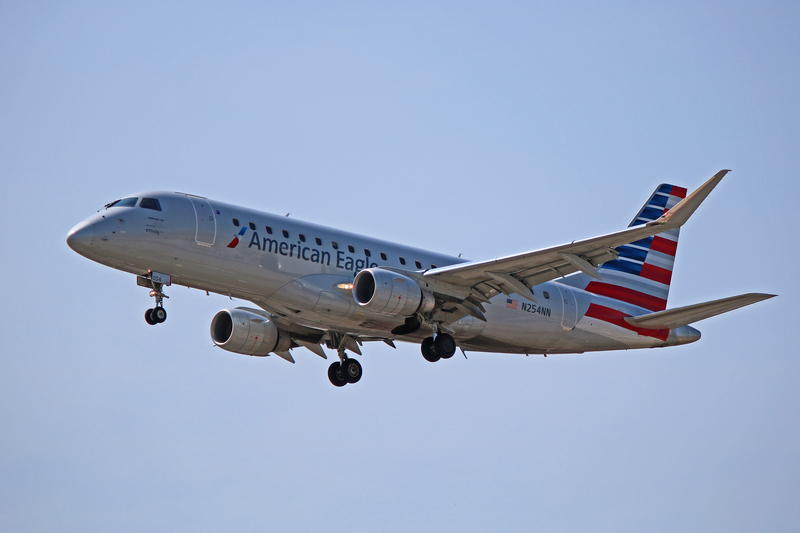
That means the structure of the product is still built around passengers bringing their own screen. The Boeing 737-800 and 737 MAX 8 each seat 172 passengers in American’s layout. The Airbus A320 seats 150, the standard A321 seats 190, and the A321neo seats 196. On paper, those are efficient, competitive narrowbody platforms. But in product terms, they lag the more fully integrated cabin offerings that key rivals now highlight.
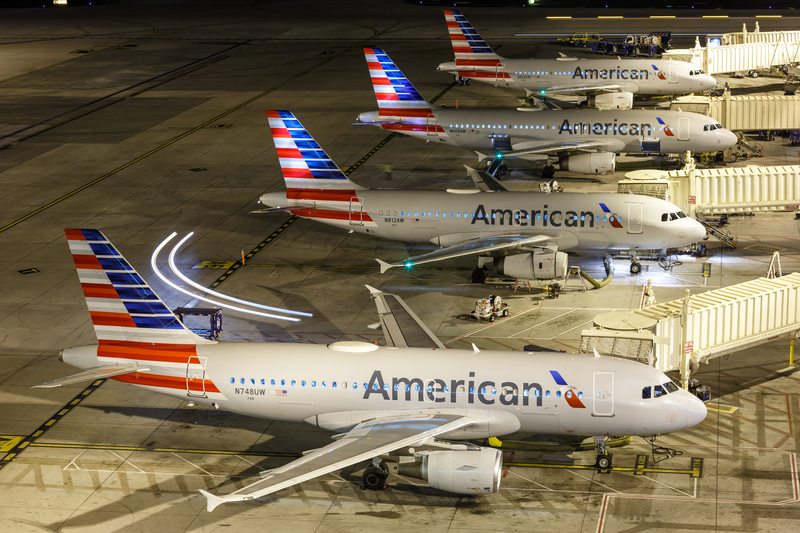
There are exceptions. American still offers seatback screens on aircraft such as the Airbus A321T used in its premium transcontinental operation, and on one subfleet of Airbus A319s. But those are not the aircraft that define the bulk of the domestic narrowbody experience.
The A321XLR Shows the Direction of Travel
The clearest sign that American’s thinking may already be changing is not the rumor itself. It is the hardware the airline is now introducing elsewhere.
American’s new Airbus A321XLR, which has already entered the fleet, features seatback entertainment screens throughout the cabin. The aircraft is configured with 20 Flagship Suite seats, 12 Premium Economy seats, and 123 Main Cabin seats, and American has specifically highlighted seatback entertainment, Bluetooth connectivity, and multiple power options as part of the onboard product.
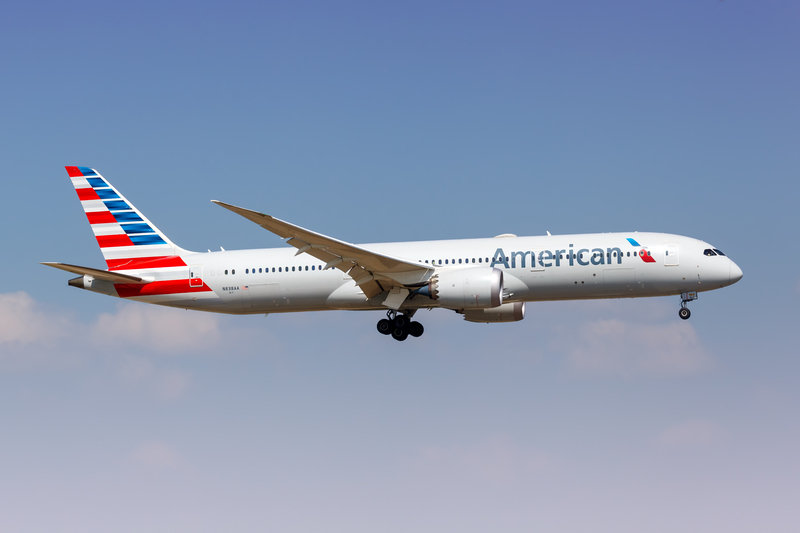
That matters because the A321XLR is not a legacy holdover. It is one of the newest and most strategically important aircraft in American’s fleet plan. In other words, while the airline’s mainstream domestic narrowbodies remain largely screenless, one of its most modern narrowbody products is already moving in the opposite direction.
For industry observers, that is often how strategy changes become visible before they are formally announced. The newest aircraft starts to show what management now believes customers actually value.
Connectivity Could Be the Bigger Part of the Story
The seatback-screen question is getting the headlines, but the more consequential shift may be in connectivity.
American has already moved aggressively on Wi-Fi in 2026, launching free high-speed satellite Wi-Fi for AAdvantage members across its narrowbody and dual-class regional fleets, with the wider rollout extending to nearly every flight. The airline says more than 900 mainline aircraft are equipped with high-speed satellite connectivity through Viasat or Intelsat, which means the infrastructure base is already substantial.
At the same time, American has publicly acknowledged that it is looking at next-generation low-Earth-orbit options. Chief executive Robert Isom confirmed in December that the carrier has held discussions with Amazon about Amazon’s LEO satellite network. Separate industry reporting says American is also evaluating Starlink as part of the same broader rethink.
That is important because the screen decision and the Wi-Fi decision are not really separate. They are part of the same onboard experience question. A modern narrowbody cabin increasingly works best when embedded entertainment, fast internet, Bluetooth audio, and personalized content are designed together rather than layered on in isolation.
Why This Matters Beyond Entertainment
It would be easy to dismiss the return of seatback screens as cosmetic, but that would miss the larger point.
For network airlines, especially in the United States, cabin consistency increasingly matters in pricing power. Passengers booking domestic premium cabins, premium transcontinental flights, or high-frequency business routes are comparing the whole proposition, not just the seat itself. A stronger inflight entertainment platform does not fix every problem an airline may have, but it does help shape brand perception in a way that purely back-end efficiency does not.
That is why this story resonates. American spent years defending the idea that screens were no longer necessary on narrowbody aircraft. If it now reverses course, it will amount to an admission that the market moved in a different direction than the airline expected.
Bottom Line
American Airlines has not yet officially committed to bringing seatback screens back to its narrowbody fleet. But the fact that the idea is under serious consideration tells its own story.
The airline’s core Airbus A320-family and Boeing 737 narrowbody fleets still rely mostly on personal-device streaming, while rivals have moved further toward embedded entertainment, better integration, and faster connectivity. At the same time, American’s newest narrowbody product, the Airbus A321XLR, already features seatback screens throughout the cabin, suggesting the airline’s product philosophy may already be shifting.
If American does move ahead, this will be more than a simple cabin refresh. It will be a recognition that in the current U.S. market, onboard product matters again in a way the airline once tried to design around.
Keep reading FlyMag
Get the Daily Brief in the morning or the Route Watch weekly recap on Fridays. Or both.