T-Mobile’s complimentary inflight Wi-Fi perk has quietly disappeared from American Airlines and United Airlines, ending a benefit that had become a familiar part of the onboard routine for many U.S. travelers. The more interesting story, however, is not simply that a free perk has gone away. It is that two of the country’s biggest carriers are now handling connectivity in very different ways, and both are moving toward a model where the airline, not the mobile carrier, controls the relationship with the passenger.

For years, T-Mobile’s inflight offering helped fill a gap for travelers who wanted to text, browse, or work without paying for onboard internet. That made sense when airline Wi-Fi was inconsistent, expensive, and often tied to older-generation hardware. But the economics of connectivity have changed. Airlines now see Wi-Fi less as a standalone add-on and more as a loyalty tool, a brand differentiator, and a reason to keep customers inside their own ecosystem.
American had a replacement ready
At American, the loss of T-Mobile looks less like a sudden retreat and more like a product handoff that was already underway.
Read our stories in your inbox
Two aviation newsletters. Zero fluff.
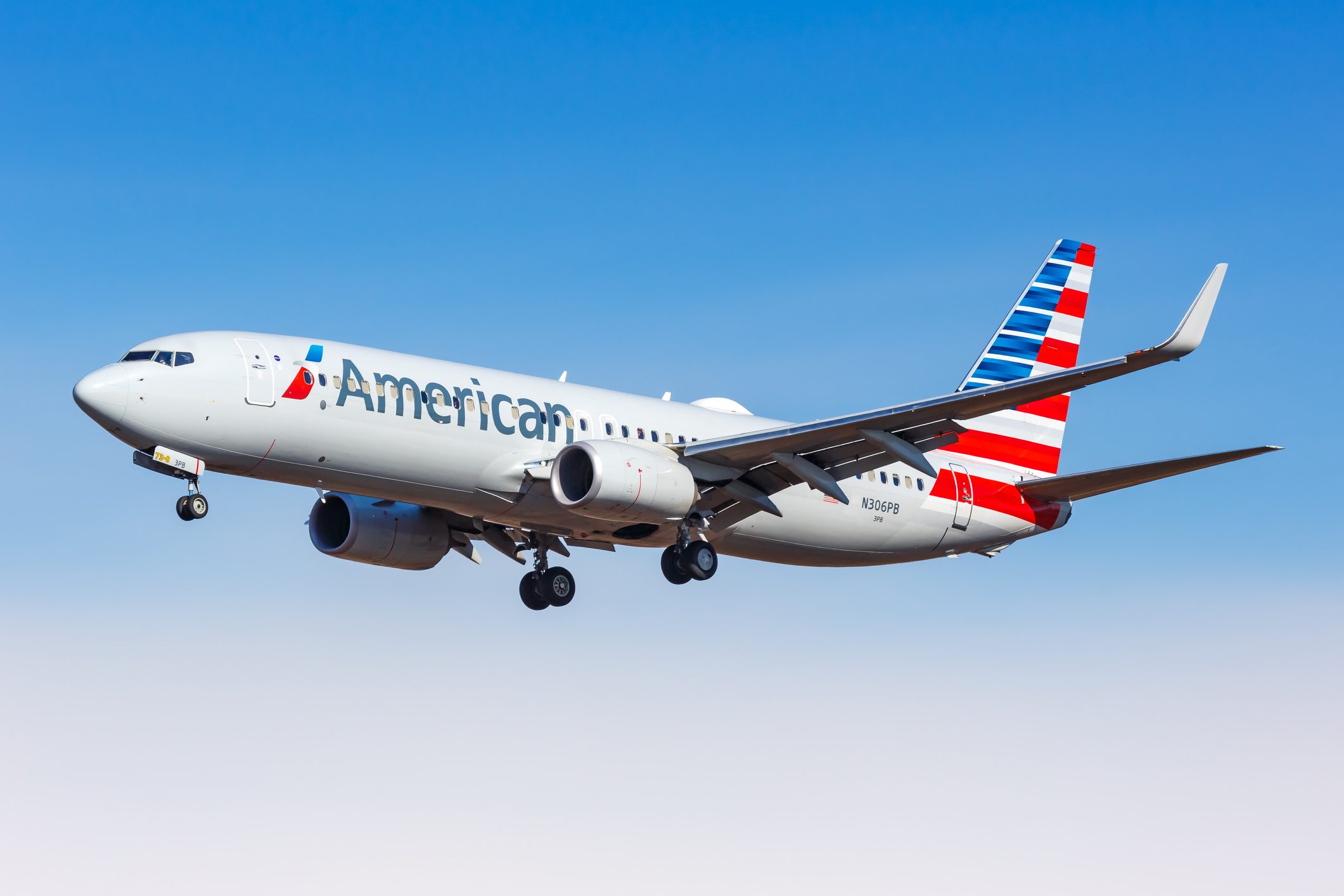
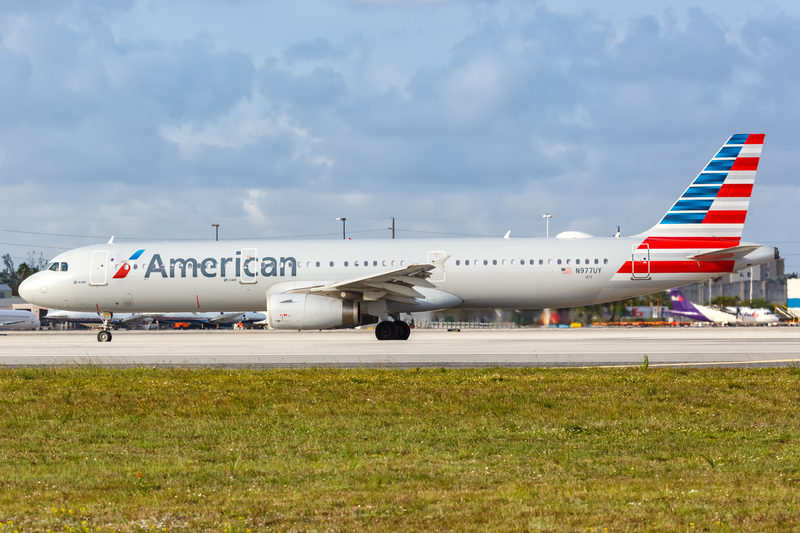
The airline’s 2026 Wi-Fi strategy has shifted to AT&T-backed free high-speed connectivity for AAdvantage members, and that rollout is materially broader than the old T-Mobile access path. American has been expanding the offer across its Airbus A319, A320, and A321 fleets, its Boeing 737 family, its dual-class regional jets, and select Boeing 787-8 and 787-9 aircraft. In practical terms, that means the carrier has already built a more airline-controlled replacement across much of the fleet.
That does not mean every American passenger will experience the change the same way. On the narrowbody side, the transition is easier to absorb because the free product is now far more widely available. On the long-haul side, it is more nuanced. American’s widebody rollout has been more selective, so passengers on aircraft outside the current free-Wi-Fi footprint may still feel the disappearance of the old T-Mobile option more directly.
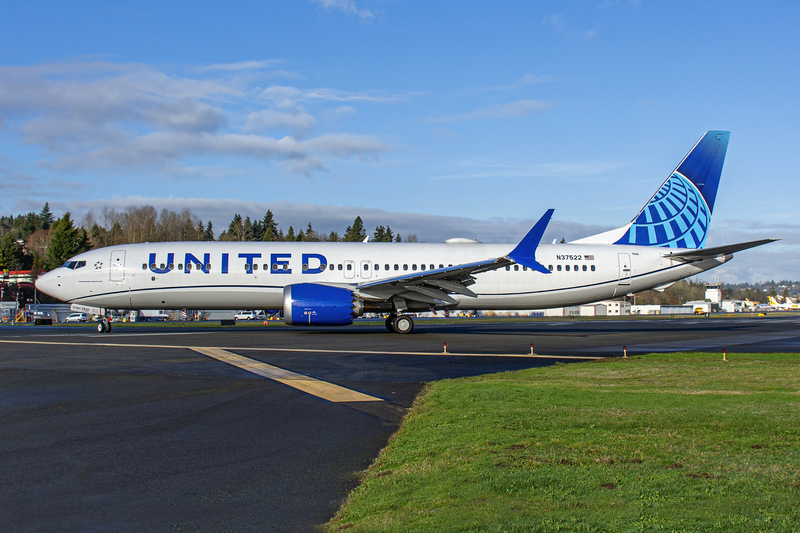
Still, the strategic direction is clear. American no longer needs a telecom-branded workaround in the way it once did. It is building a connectivity model tied to AAdvantage, backed by a major sponsor, and designed to make free Wi-Fi part of the airline’s own value proposition rather than an external benefit layered on top.
United is making the same move, but at a more awkward moment
United is the more complicated case.
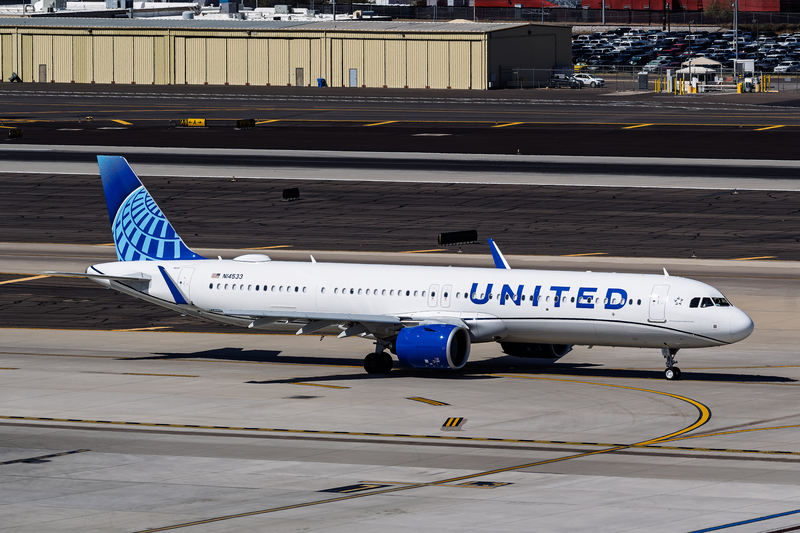
On paper, the airline’s long-term answer is stronger than the legacy T-Mobile arrangement ever was. United’s future is Starlink, not Gogo-era compromise. The carrier has already made Starlink available on select flights for MileagePlus members, and it has been rolling the system out quickly across its fleet. The service has already spread through much of the two-cabin regional operation and into mainline flying, including Boeing 737-800 aircraft.
The problem is timing. United is still in the middle of the transition, not at the end of it.
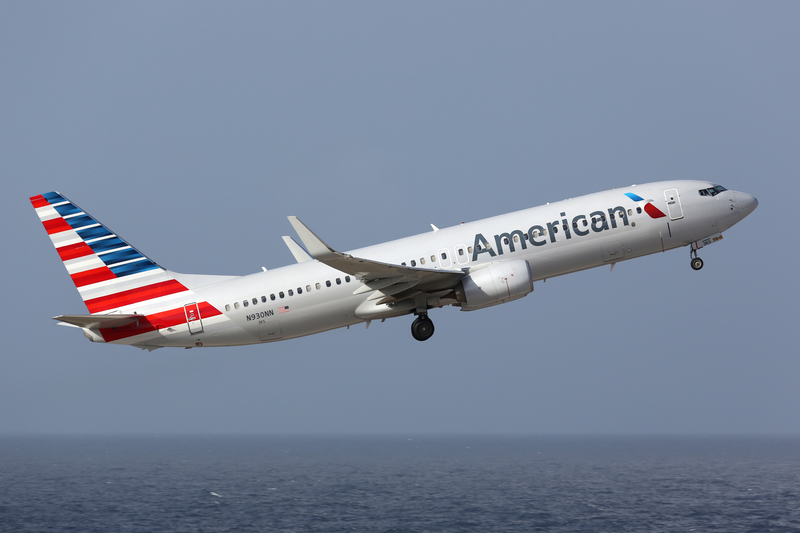
That matters because plenty of United flights still operate with the older paid Wi-Fi model. On those flights, passengers are not moving directly from T-Mobile-sponsored access to free next-generation internet. They are moving from a free benefit to a paywall, at least until Starlink reaches them. For MileagePlus members on many domestic and short-haul international flights, that means Wi-Fi pricing still starts at $8, while non-members can pay $10 or more depending on the service.
From a customer-experience standpoint, that is where the friction sits. United’s destination is compelling. The journey there is less elegant. The airline is clearly headed toward a much better onboard internet product, but for passengers flying non-Starlink aircraft today, the disappearance of T-Mobile feels early rather than seamless.
This is really a story about who owns connectivity
The larger airline trend is now hard to miss.
A few years ago, free onboard internet often appeared as a telecom-sponsored giveaway, a third-party perk that sat alongside the airline rather than inside it. That model is fading. Increasingly, carriers want Wi-Fi to reinforce their own loyalty programs, their own apps, and their own customer data ecosystems. Free connectivity is still useful, but only if it strengthens the airline’s direct relationship with the traveler.
That is why American’s approach looks so deliberate. Join AAdvantage, stay inside the airline’s digital framework, and free Wi-Fi becomes one more reason to remain loyal. United is following the same logic with MileagePlus and Starlink. The difference is that American’s replacement is already broad enough to soften the break, while United is still working through the uncomfortable middle phase.
T-Mobile, meanwhile, is not leaving the category altogether. The company still sponsors free inflight connectivity on other major U.S. carriers, which shows that the model itself is not dead. But on American and United, the balance of power has shifted. These airlines increasingly want onboard internet to feel like their product, not somebody else’s.
Why this matters more than it seems
It would be easy to dismiss this as a niche annoyance for frequent flyers who had grown used to a free login screen. But the change says something larger about the modern cabin.
Wi-Fi is no longer an optional novelty. It is part of the product architecture. It shapes how passengers work, message, stream, shop, and evaluate the quality of an airline. Once that happens, the carrier has every incentive to bring connectivity under tighter control, package it with loyalty, and use it as a competitive tool rather than a courtesy.
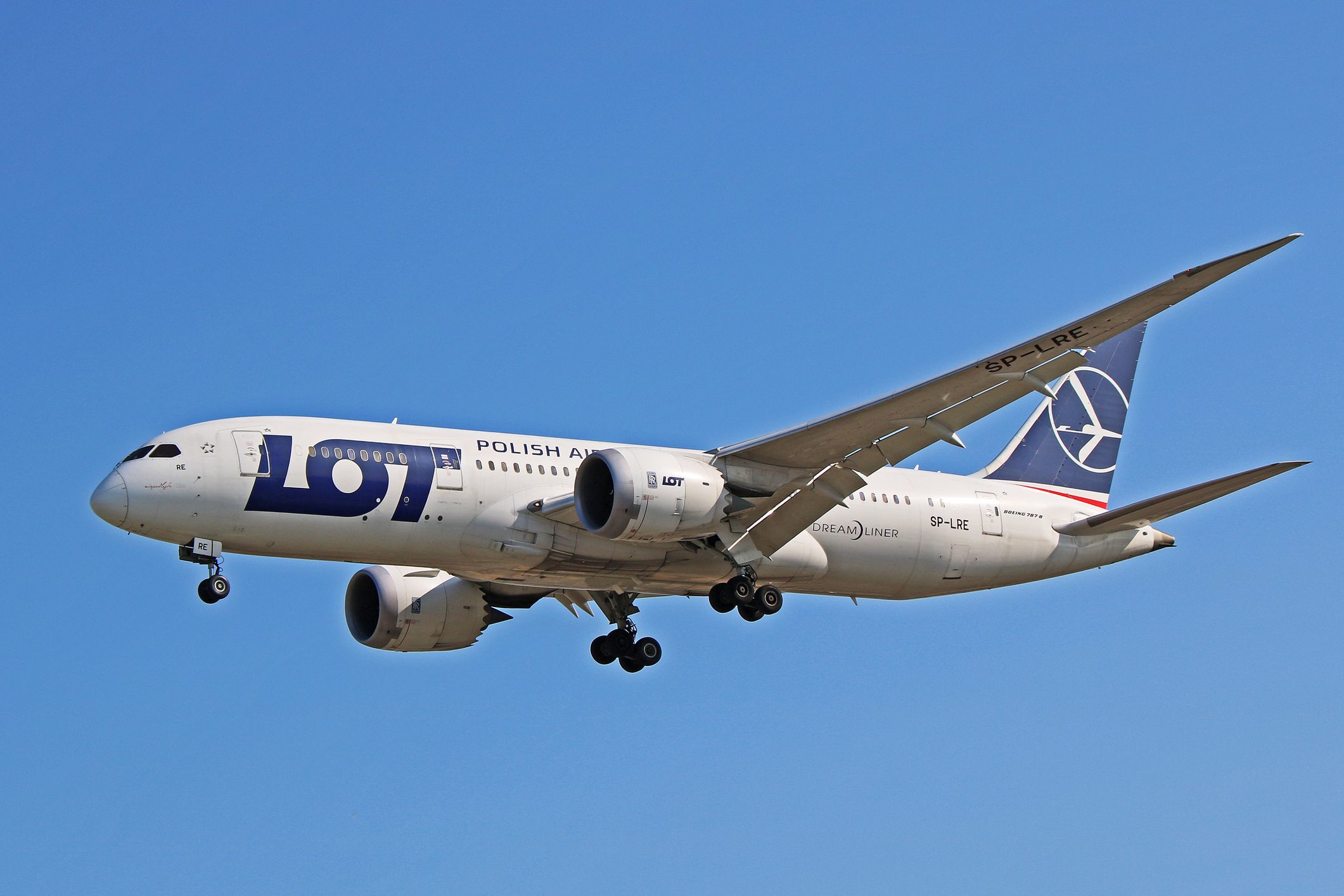
That is also why aircraft type matters in this story. On American, the connectivity transition is being built around a broad narrowbody backbone and select Boeing 787 widebodies. On United, the Starlink rollout has already touched Embraer E175 regional jets and Boeing 737-800 mainline aircraft, but not yet the full fleet. In both cases, the Wi-Fi conversation is no longer just about price. It is about fleet modernization, onboard hardware, and how the airline wants its product to feel at 30,000 feet.
Bottom Line
T-Mobile’s disappearance from American and United is not the end of free inflight Wi-Fi. It is the end of one version of it.
American has already moved much of its fleet toward an airline-controlled, AT&T-backed free model for AAdvantage members, making the old T-Mobile benefit largely redundant. United is headed toward a more ambitious future with Starlink, but it is still in the middle of the rollout, which means some passengers will notice the loss of T-Mobile before they experience the upgrade that is supposed to replace it.
For airline professionals, the takeaway is straightforward. This is less a story about a perk going away than about connectivity becoming core product strategy. The free Wi-Fi era is not ending. It is being redesigned around loyalty, hardware, and who gets to own the customer relationship in the cabin.