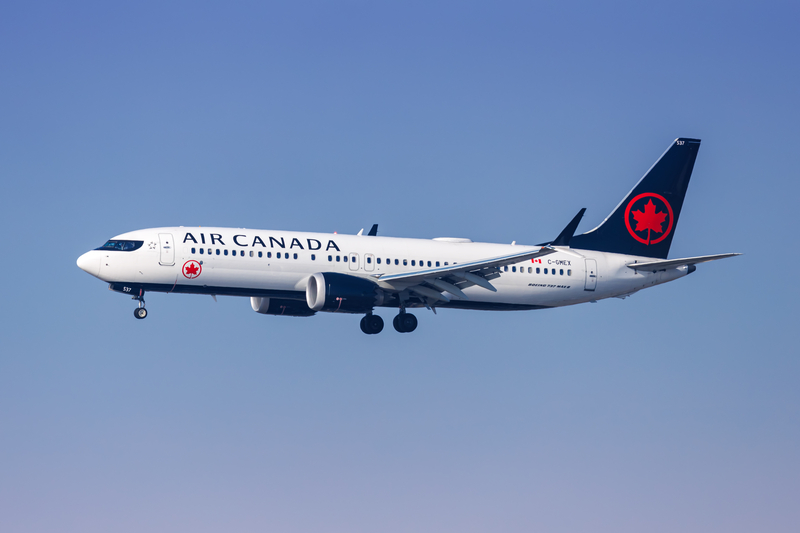
Air Canada has suspended service to Cuba after authorities on the island warned they can no longer reliably supply jet fuel to commercial flights—an operational constraint that quickly turns into a dispatch and safety problem for any carrier running high-frequency leisure routes. The airline says it will operate empty southbound “rescue” flights in the coming days to collect approximately 3,000 customers currently in Cuba and return them to Canada, while longer-term flying remains on hold pending a review.

For an airline, the issue isn’t simply “fuel is scarce.” It’s that when an airport cannot guarantee uplift—especially on a schedule that depends on quick turns—every flight becomes a moving target: you may arrive unable to legally fuel for the return, forcing technical stops, payload penalties, or cancellations.
What triggered the suspension
Cuba’s government indicated it will be unable to refuel commercial aircraft because of an aviation fuel shortage, with commercial jet fuel sales at Cuban airports expected to be cut off beginning early this week. That immediately undermines the standard operating model for most airlines serving the island: arrive, refuel, depart.
Read our stories in your inbox
Two aviation newsletters. Zero fluff.
Air Canada said it will:
-
Fly empty aircraft southbound to bring stranded passengers home to Canada
-
Tanker extra fuel on remaining operations where feasible
-
Make technical stops on the return journey if refueling in Cuba is not possible
Those are all standard mitigations—but each comes with real penalties in aircraft performance, schedule integrity, and cost.
Why tankering and tech stops are not “simple fixes”
From an airline-ops standpoint, “tankering” sounds straightforward—carry more fuel from the departure station so you can depart without relying on local supply. In practice, it’s a trade:
-
Fuel is weight, and weight reduces payload or increases burn. On narrowbody leisure flights, tankering can mean fewer bags, fewer passengers, or stricter performance margins—especially in hot conditions or on shorter runways.
-
Reserve requirements don’t go away. Even if the plan is to tanker, dispatch still must protect contingencies, alternates, and final reserve. If an airport can’t provide uplift, flight planning often becomes more conservative.
-
Technical stops complicate rotations. A quick refuel stop outside Cuba can keep a flight legal, but it extends block times, disrupts crew duty limits, and cascades into missed departure slots and broken aircraft utilization—exactly what leisure schedules try to avoid.
This is why airlines often choose the blunt instrument—temporary suspension—rather than operating a brittle schedule that can strand even more passengers if a workaround fails.
The network impact: four Cuba destinations from Canada
Air Canada typically operates an average of about 16 nonstop flights per week to Cuba from Toronto (YYZ) and Montreal (YUL), serving four leisure-heavy markets:
As of this week, Air Canada has canceled seasonal flying to Holguín (HOG) and Santa Clara (SNU) for the remainder of the season. The airline also suspended its year-round markets Varadero (VRA) and Cayo Coco (CCC) with a tentative restart date of May 1, subject to review.
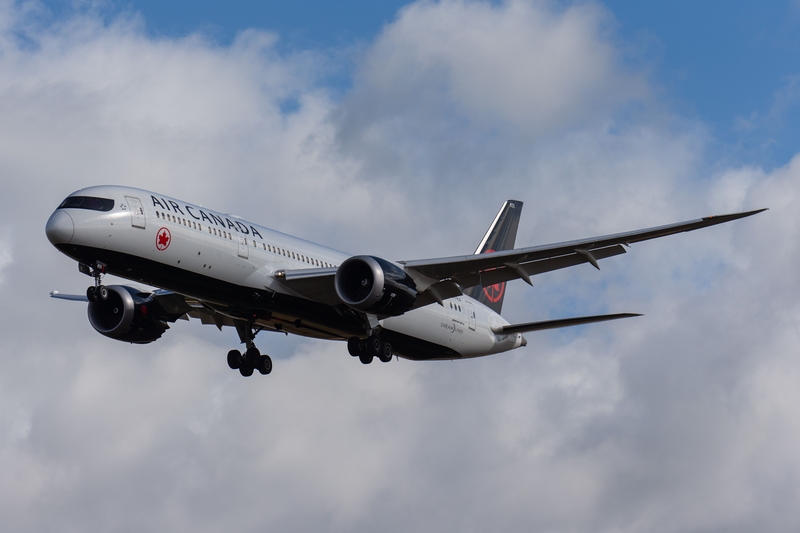
From a fleet standpoint, Air Canada noted these flights are normally operated using narrowbody aircraft across mainline and Air Canada Rouge. In practical terms, that means the carrier can redeploy capacity elsewhere relatively quickly—one of the advantages of running leisure routes on flexible narrowbody fleets rather than tying up widebodies.
Cuba’s airport fuel constraint becomes an airline customer-service event
The operational headline quickly becomes a customer-service and cost problem. Once fuel availability is uncertain, airlines face a triage decision:
-
Keep operating and risk irregular ops, diversions, and misconnects
-
Pause flying, repatriate passengers already at destination, and limit new exposure
Air Canada’s decision to run empty southbound flights is a clear signal that the carrier wants to reduce stranded-customer risk first, then reassess. It’s also an expensive solution—positioning aircraft with no revenue passengers—undertaken because the alternative (leaving travelers stuck in CCC/HOG/VRA/SNU with no predictable uplift solution) is worse for brand and duty-of-care obligations.
What to watch next (the airline-professional view)
If the fuel constraint persists, additional carriers may scale back service, especially those that rely on tight turns and don’t have the network flexibility to absorb technical stops. The key variables that will determine how quickly normal schedules can resume include:
-
Reliability of jet fuel uplift at the principal gateways (especially Havana, HAV, and the main resort airports)
-
Stability of published fuel policies (airlines need predictability to plan crews, alternates, and payload)
-
Ability to operate with tankering without unacceptable payload restrictions
-
Availability of workable tech-stop options that don’t break crew legality or airport slot constraints
Bottom Line
Air Canada’s Cuba suspension is what happens when an airport system can’t reliably provide a basic input to airline operations: jet fuel. By pausing service, flying empty aircraft to repatriate roughly 3,000 passengers, and planning tankering and technical-stop contingencies where necessary, Air Canada is choosing operational control over a fragile schedule. The immediate impact is concentrated on leisure routes from Toronto (YYZ) and Montreal (YUL) to Cayo Coco (CCC), Holguín (HOG), Varadero (VRA), and Santa Clara (SNU)—with HOG and SNU canceled for the season and VRA/CCC suspended with a tentative May 1 restart pending review. For the broader market, the next moves depend on whether Cuban airports can restore predictable fuel uplift—or whether more airlines decide the operational risk is no longer worth carrying.
Keep reading FlyMag
Get the Daily Brief in the morning or the Route Watch weekly recap on Fridays. Or both.