Air Canada has removed Montreal-Algiers from its summer 2027 schedule, abandoning an earlier plan to restore the seasonal route after a one-year suspension.


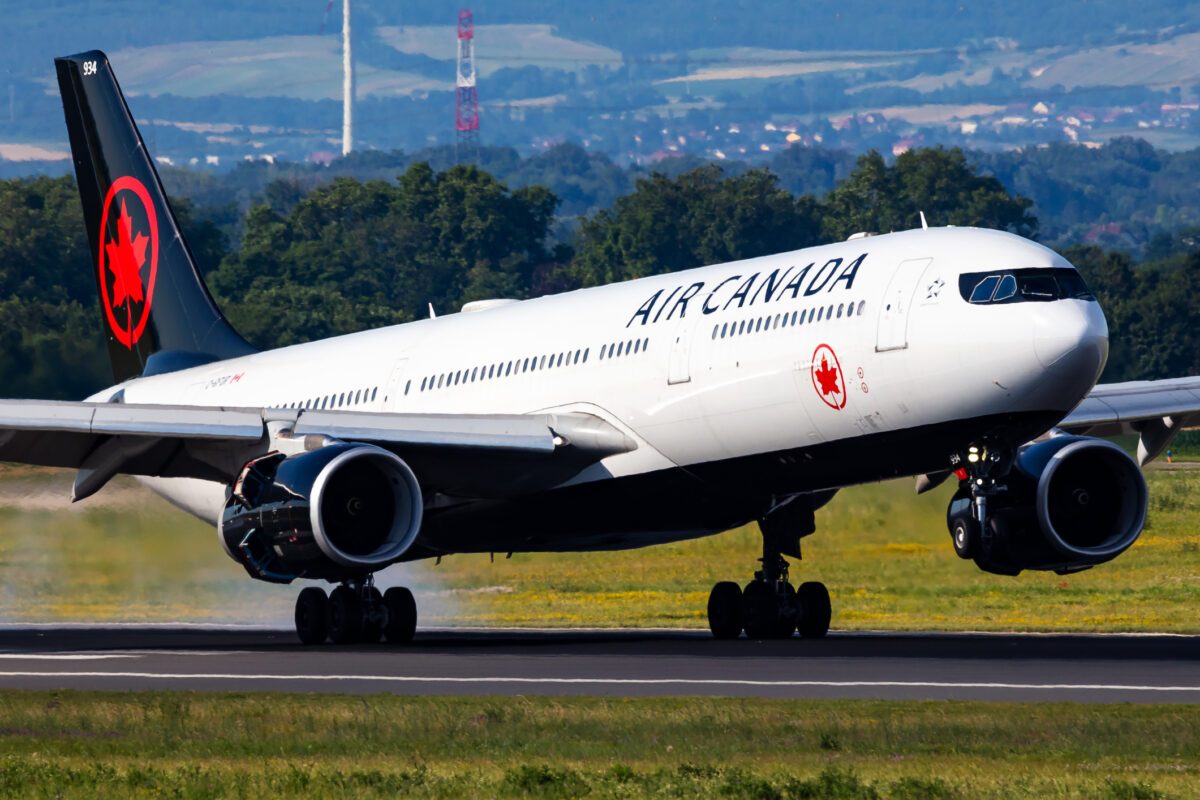
The airline had filed four weekly flights between Montreal-Trudeau (YUL) and Algiers (ALG) from June 2, 2027. The planned service, operating as AC70 and AC71 with an Airbus A330-300, disappeared during an August schedule update and remains unavailable as Air Canada sells the rest of its expanded summer 2027 international network.
The withdrawal leaves Air Algérie as the only carrier operating nonstop between Canada and Algeria. Air Canada continues to sell Montreal-Algiers itineraries on its website, but those journeys require a connection rather than an Air Canada-operated nonstop flight.
Read our stories in your inbox
Two aviation newsletters. Zero fluff.
A Second Summer Without Air Canada
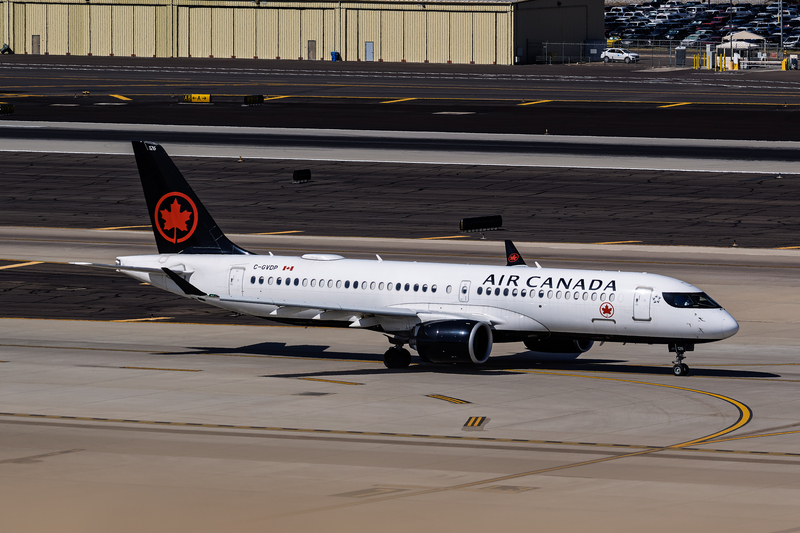
Air Canada originally intended to operate Montreal-Algiers during summer 2026. Its published timetable listed AC70 from YUL and AC71 from ALG, with frequencies rising to five weekly flights during the peak summer period. The airline assigned the Airbus A330-300 to the route.
Those flights were removed in April as part of a broader network reduction prompted by higher fuel costs. Air Canada said in its schedule update that jet fuel prices had doubled since the beginning of the Iran conflict, making some lower-performing routes uneconomic.
The changes cut approximately 1% from Air Canada’s planned annual available seat miles. Other affected markets included Toronto-Salt Lake City, Montreal-Guadalajara and domestic services linking Vancouver with Fort McMurray and Toronto with Yellowknife.
At that stage, Air Canada characterized Algiers as a temporary suspension and explicitly said it planned to resume the route in 2027. The carrier subsequently filed a four-weekly schedule beginning June 2, with AC70 leaving Montreal at 10:55 p.m. and reaching Algiers at 11:40 a.m. the following day. AC71 was scheduled to depart ALG at 2:50 p.m. and arrive at YUL at 6:40 p.m.
That schedule has now been withdrawn. The removed filing means Air Canada will miss two consecutive summer seasons in the market unless it reinstates the flights in a later update.
The airline has not attached a new explanation to the 2027 removal. Its September network announcement instead outlined what Air Canada called the largest intercontinental expansion in its history, including new Montreal services to Basel and Dubrovnik and the conversion of Tenerife, Lima and Guatemala City to year-round operation.
Air Canada expects to offer more than 125 international routes and as many as 169,000 weekly seats from Canada during summer 2027, an increase of more than 8% in international available seat miles over summer 2026. The disappearance of Algiers within that wider expansion indicates a route-specific allocation decision rather than a general retreat from Montreal’s long-haul network.
Air Algérie Keeps the Nonstop Market
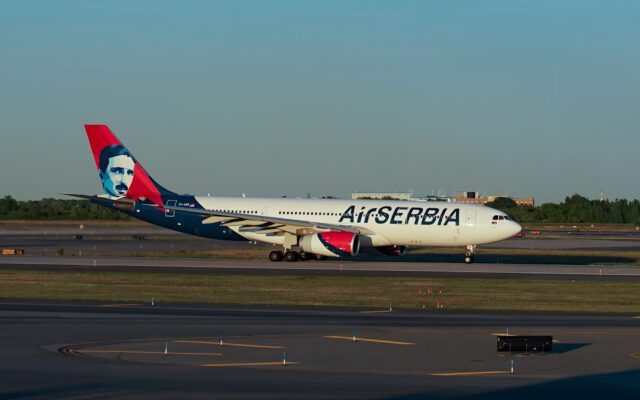
Air Algérie continues to sell Montreal-Algiers flights, including through a published Montreal fare offer covering travel through March 27, 2027. With Air Canada no longer scheduled to return, the Algerian flag carrier controls all nonstop capacity in the market.
The route serves a substantial visiting-friends-and-relatives market centered on Quebec, while also feeding Air Algérie’s domestic and regional network at ALG. Air Canada could have drawn on its own North American connections at YUL, but operating only during the summer left the airline exposed to the seasonal economics of a long-haul route with a strong point-to-point component.
Air Algérie also enters this period with a changing long-haul fleet. It received its first Airbus A330-900 in November 2025, and Airbus said the aircraft would support new transatlantic and Asian flying from Algiers. The manufacturer’s order data subsequently listed nine A330neos for Air Algérie, including two delivered through Airbus Financial Services by the end of August 2026.
The airline’s fleet information lists the A330-900 in 308-seat and 286-seat configurations. Airbus detailed the initial 308-seat layout as 18 full-flat business-class seats, 24 premium economy seats and 266 economy seats.
That configuration gives Air Algérie a denser aircraft than the premium-heavy widebodies typically assigned by Air Canada, while still providing three cabins. It is well suited to a market combining high-volume economy traffic, significant checked baggage demand and a smaller premium segment.
The A330-900 also provides more capability than the Montreal route requires. The approximately 3,900-mile sector falls comfortably inside the twinjet’s operating envelope, allowing Air Algérie to deploy the same aircraft across Canada, Asia and other longer missions without creating a route-specific subfleet.
Air Canada’s A330 Capacity Goes Elsewhere
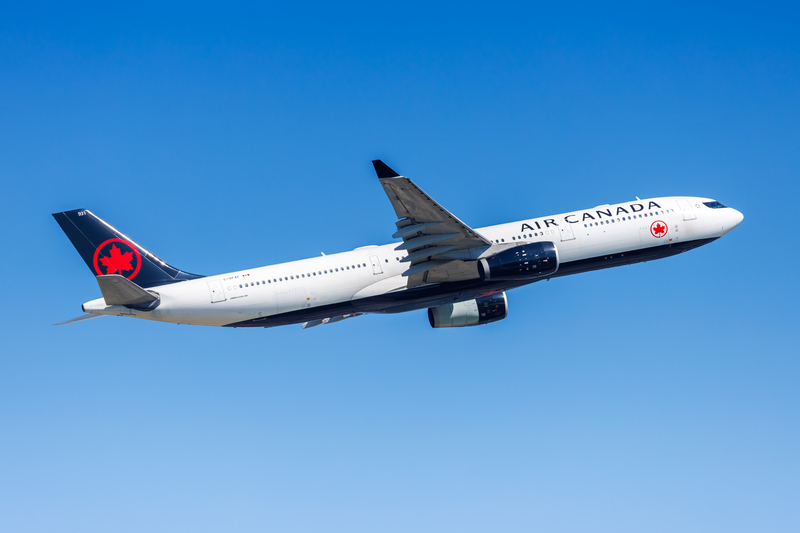
Air Canada had planned to use the Airbus A330-300, a type that remains an important part of its Montreal long-haul operation. The carrier’s fleet page lists 20 A330-300s, with Signature Class, premium economy and economy cabins available across the type.
At four weekly rotations, Algiers would have consumed a meaningful but manageable block of seasonal A330 capacity. Removing the route releases aircraft time for established transatlantic markets or for the airline’s expanding 2027 schedule, where Montreal will gain Basel and Dubrovnik alongside additional year-round flying.
The decision also avoids direct competition with an incumbent whose network, fleet economics and brand position are closely aligned with Algeria-bound traffic. Air Canada can still participate in the market by selling connecting itineraries, but it gives up control of the nonstop schedule, local cargo capacity and the revenue premium often attached to a direct service.
Bottom Line
Air Algérie is the immediate beneficiary. It retains the only nonstop product in a market where many passengers strongly prefer to avoid a European connection, and it can decide how quickly to introduce additional A330-900 capacity as more aircraft enter service. The newer jet also gives the airline a more competitive premium cabin while preserving the economy density needed for Montreal-Algiers traffic.
For Air Canada, the withdrawal illustrates the limits of network growth when widebody aircraft can be placed into stronger or more strategically useful markets. The carrier is expanding internationally in 2027, but Algiers would have competed for A330 time against a large portfolio of European routes with broader connecting flows and, in many cases, higher-frequency schedules.
The next indicator will be whether Air Canada retains Algiers as a potential summer 2028 return or quietly treats the suspension as permanent. Until another operator enters the market, Air Algérie has both the nonstop franchise and an expanding A330neo fleet with which to defend it.