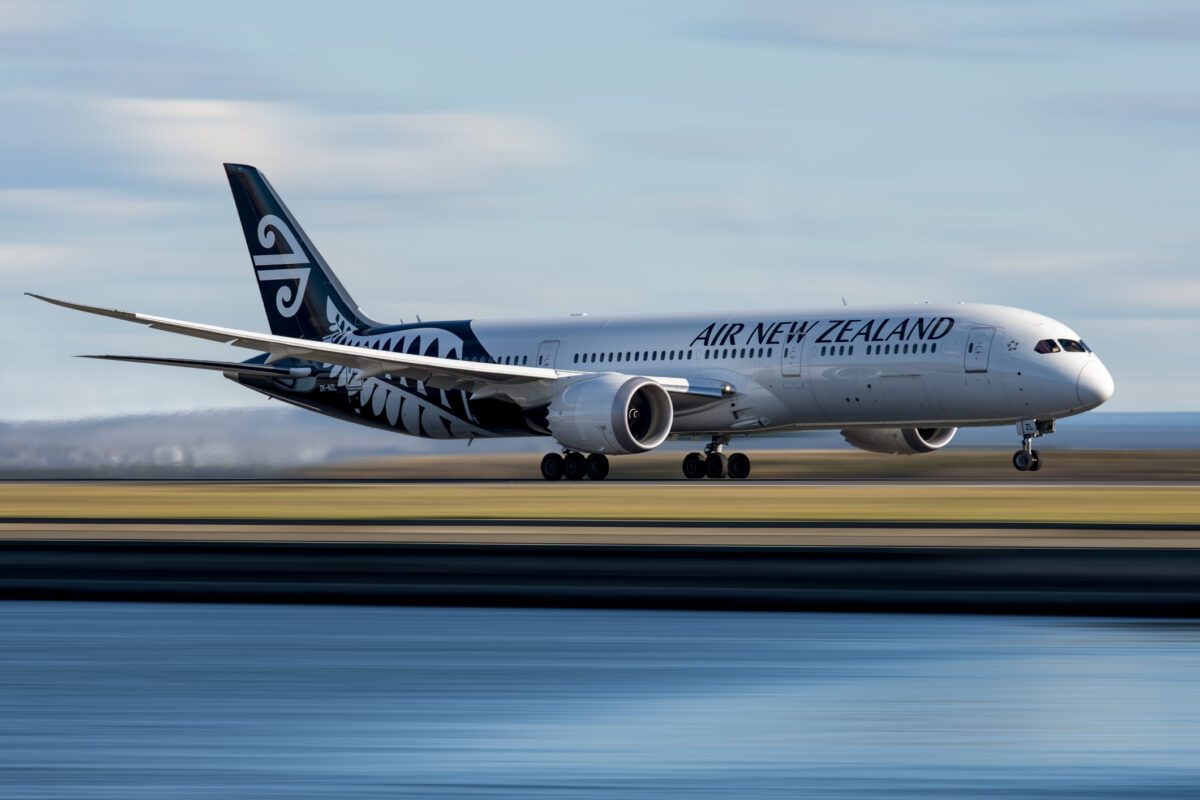
Air New Zealand is adding six nonstop international routes during 2026, led by three Boeing 787-9 Dreamliner services from Christchurch and a broader group of short-haul additions across Australia and the Pacific.


The routes were announced separately rather than as a single six-route package. Two are already operating, while four are scheduled to begin during the final quarter of 2026. Four of the six originate in Christchurch, marking a significant shift toward direct international flying from the South Island.
The Six Routes
- Christchurch (CHC)–Rarotonga (RAR): Launched May 26 and operating up to three times weekly through October 24.
- Queenstown (ZQN)–Brisbane (BNE): Launched June 22 and operating three times weekly through October 23 with an Airbus A320neo.
- Auckland (AKL)–Western Sydney (WSI): Three weekly flights beginning October 26 with Airbus A320 and Airbus A321 aircraft.
- Christchurch–Singapore (SIN): Three weekly Boeing 787-9 flights beginning October 28.
- Christchurch–Tokyo Narita (NRT): Three weekly Boeing 787-9 flights beginning November 28.
- Christchurch–Perth (PER): Three weekly Boeing 787-9 flights beginning November 30.
The largest element is the three-route Christchurch widebody expansion. Singapore will operate through March 26, 2027, while the Tokyo and Perth services extend to May 8 and May 7, respectively.
Read our stories in your inbox
Two aviation newsletters. Zero fluff.
Those three routes will add more than 92,000 seats at CHC during the 2026-27 season, according to Christchurch Airport’s published schedule. Singapore accounts for approximately 34,300 seats, Tokyo for 29,100 and Perth for 28,850.
Dreamliners Return to Christchurch
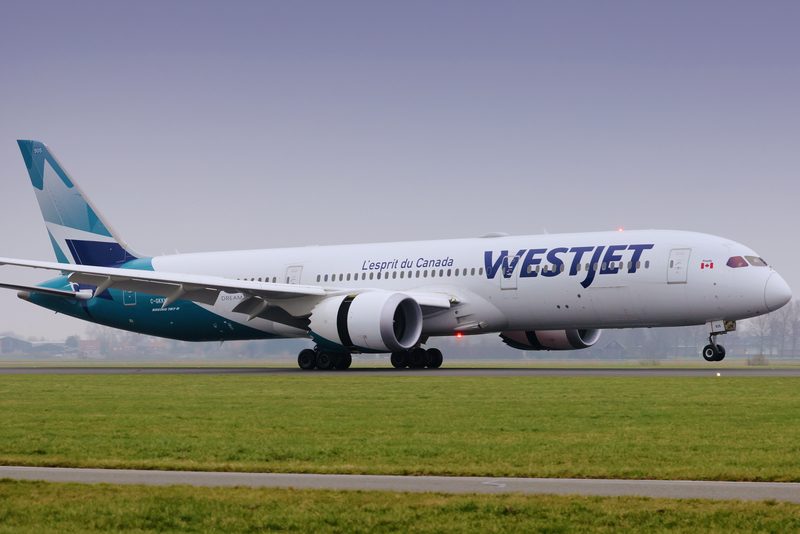
Air New Zealand has directly connected the Christchurch expansion to improving Boeing 787 availability. The carrier said in July that its final stored 787-9 had returned, leaving it with no widebody aircraft in long-term storage for the first time since the Rolls-Royce Trent 1000 shortage began constraining the fleet.
At the disruption’s peak, five of Air New Zealand’s 14 Dreamliners were grounded. The carrier moved aircraft to Alice Springs while engines were removed and sent for overhaul, allowing powerplants to enter maintenance earlier than if they had remained installed.
The improved fleet position matters because Singapore, Tokyo and Perth require the range, passenger capacity and belly freight capability of the 787-9. They also diversify Air New Zealand’s long-haul flying away from Auckland, allowing South Island passengers and cargo to bypass a domestic connection.
Singapore has an additional network role through Air New Zealand’s joint venture with Singapore Airlines. The two carriers expect to offer 17% more seats between Singapore and New Zealand during the Northern Hemisphere winter schedule, with the new Christchurch flight complementing Singapore Airlines’ existing CHC operation.
The Narita and Perth services are restorations to Air New Zealand’s network rather than destinations the airline has never served from Christchurch. Air New Zealand previously operated CHC–Narita in 2015, CHC–Perth in 2019 and CHC–Singapore in 2020. Their return nevertheless represents a substantial rebuilding of the carrier’s South Island widebody schedule.
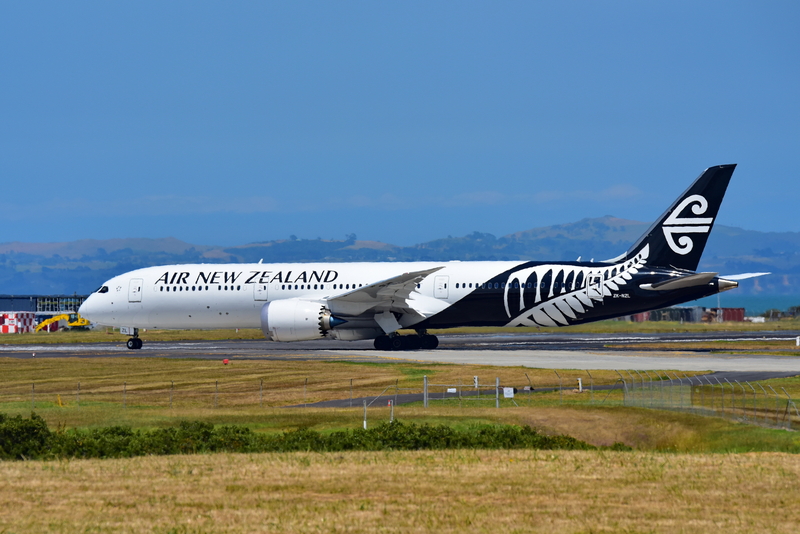
New Cabins Join the Capacity Recovery
The additional flying coincides with Air New Zealand’s 787 cabin retrofit program. Nine of the airline’s 14 Dreamliners had received the new interior by the end of its 2026 financial year, with the remaining aircraft due for completion during 2026.
Each retrofitted aircraft is standardized at 272 seats: four Business Premier Luxe seats, 22 Business Premier seats, 33 Premium Economy seats and 213 Economy seats, including 13 Economy Skycouch rows. The 272-seat layout replaces the former mix of 275- and 302-seat configurations.
The lower-density cabin adds an updated Business Premier product, four enclosed Luxe seats, fixed-shell Premium Economy seats and larger entertainment screens throughout the aircraft. It gives Air New Zealand a consistent, premium-heavy configuration suited to long sectors where premium demand and cargo can compensate for fewer total seats.
Three Short-Haul Additions
The other half of the six-route group uses narrowbody aircraft. The seasonal Christchurch–Rarotonga service became the first of the routes to launch, offering up to three weekly flights and approximately 19,600 seats across the season. The nonstop Pacific service removes the need for South Island passengers to connect through Auckland.
Queenstown–Brisbane followed in June. Air New Zealand scheduled the three-times-weekly seasonal route with the Airbus A320neo, adding about 16,500 seats to its trans-Tasman network. The schedule targets both Australian winter traffic into Queenstown and New Zealand-originating leisure demand to Queensland.
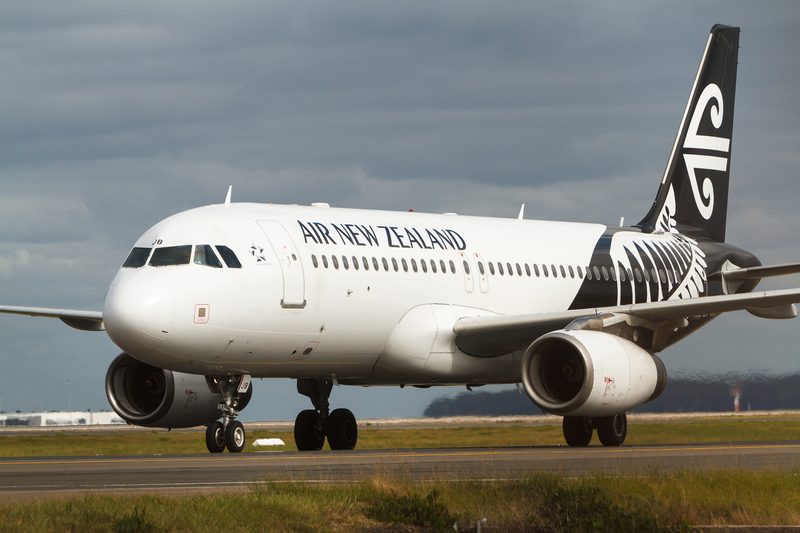
Auckland–Western Sydney begins October 26, the date the new WSI airport is due to open. Air New Zealand will become its first international airline, operating Monday, Wednesday and Friday with A320 and A321 aircraft. The WSI schedule gives the carrier a second Sydney-area airport alongside its established Auckland–Sydney service.
The new flying arrives after a difficult financial year. Air New Zealand reported a NZ$336 million pretax loss for the year ended June 30, with engine availability issues estimated to have cost NZ$190 million through lost capacity, leased engines, maintenance expense and operating inefficiency. Its annual results showed system capacity increasing only 1.3% despite aircraft returning to service.
Bottom Line
Air New Zealand’s expansion is notable less for the number of destinations than for where the capacity is being placed. Four routes from Christchurch give the South Island more direct access to Asia, Western Australia and the Cook Islands, reducing dependence on Auckland connections and creating additional options for inbound tourism and high-value freight.
The three Dreamliner routes are also an early test of Air New Zealand’s targeted-growth strategy. Restored aircraft availability creates the opportunity to grow, but the carrier still has to produce acceptable returns against high fuel, maintenance and airport costs. Singapore benefits from alliance connectivity, while Tokyo and Perth have long seasons that should provide a clearer indication of whether Christchurch can sustain a larger permanent widebody operation.
Fleet reliability remains the central variable. Two new Boeing 787-9s are due by the end of 2026, and completion of the retrofit program will simplify the existing fleet around one 272-seat cabin. If those aircraft arrive on schedule and Trent 1000 availability continues to stabilize, the Christchurch routes could become the first stage of a wider redistribution of Air New Zealand’s international capacity rather than a one-season recovery exercise.
Keep reading FlyMag
Get the Daily Brief in the morning or the Route Watch weekly recap on Fridays. Or both.