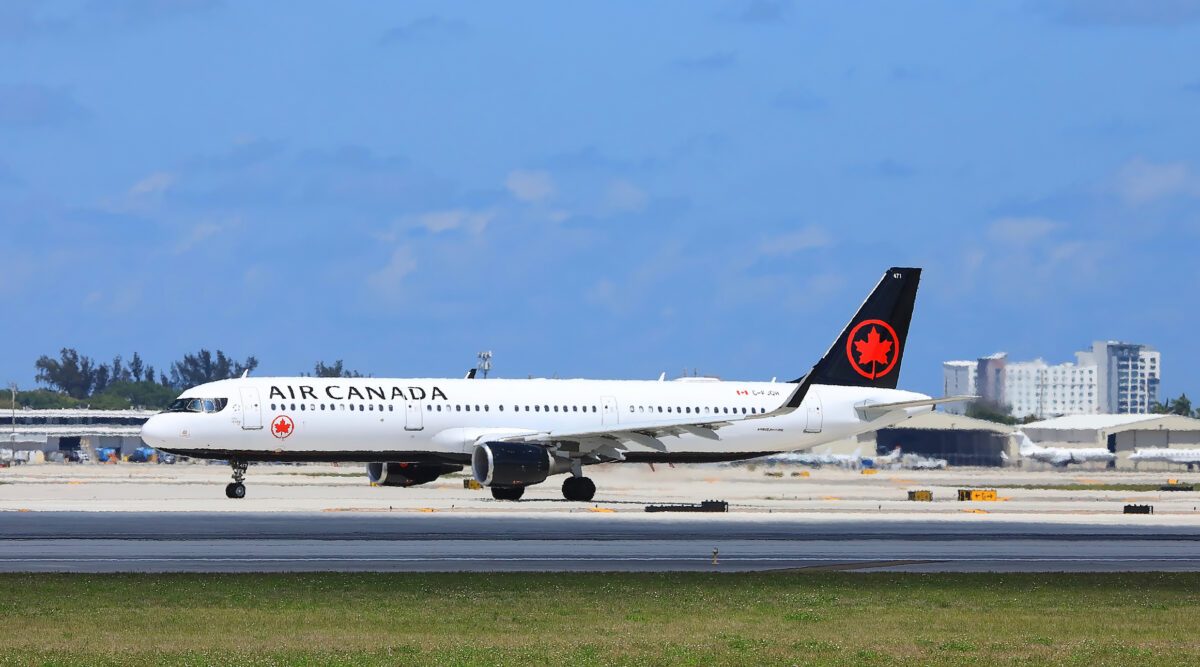
Air Canada will launch seasonal nonstop service between Montreal Trudeau (YUL) and Seville (SVQ) on September 8, 2027, opening what the airline says will be the Spanish city’s only direct link with North America.

The route will begin with three weekly flights before increasing to four per week on October 1. Air Canada will operate the service with its Airbus A321XLR, using the long-range narrowbody to add a relatively thin transatlantic market without committing widebody capacity.
Seville will become Air Canada’s fifth destination in Spain. The airline said in its route announcement that flights are already available for booking.
Read our stories in your inbox
Two aviation newsletters. Zero fluff.
Seville Flights Will Run Across Two Seasonal Windows
Eastbound flight AC958 will leave YUL at 8:30 p.m. and arrive at SVQ at 9:30 a.m. the following day. The published local times produce a seven-hour scheduled overnight crossing.

Westbound AC959 will depart Seville at 12:45 p.m. and reach Montreal at 2:40 p.m., with a scheduled flying time of seven hours and 55 minutes. The midday departure from Spain and afternoon arrival in Quebec are designed to feed Air Canada connections across Canada, the United States, the Caribbean and Latin America.
The first operating period will run from September 8, 2027, through January 8, 2028, in the Montreal-Seville direction. The return service starts one day later and continues through January 9.
Flights will then pause for about six weeks. AC958 resumes on February 18, 2028, and runs through June 3, while AC959 operates from February 19 through June 4.
That pattern largely avoids the peak of the Andalusian summer. Instead, Air Canada is targeting fall, winter and spring demand, including Montreal-origin leisure traffic and passengers connecting from elsewhere in the Americas. It also gives the airline scope to move A321XLR capacity between markets as seasonal demand changes.
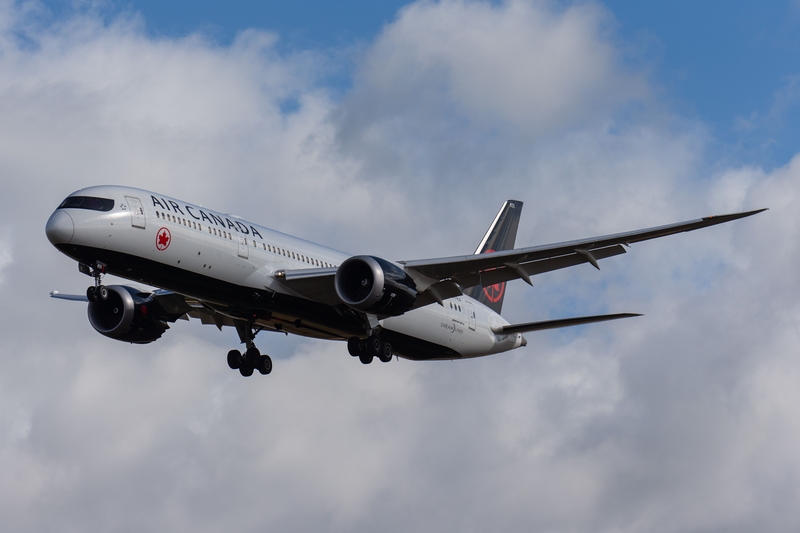
A321XLR Brings Lie-Flat Seats to a Narrowbody Route
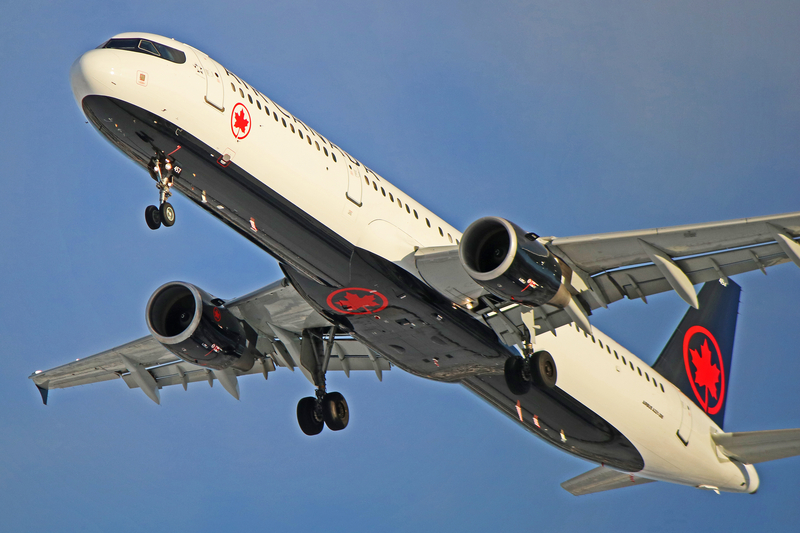
Air Canada’s A321XLR carries 182 passengers in two cabins. Signature Class has 14 full-flat seats arranged one abreast on either side of the aisle, giving every premium passenger direct aisle access. The remaining 168 seats are in Economy Class; there is no separate Premium Economy cabin.
The aircraft are powered by Pratt & Whitney GTF engines and have Airbus’ Airspace interior, including larger overhead bins, Bluetooth-enabled entertainment and in-seat connectivity. Airbus lists a maximum range of up to 4,700 nautical miles for the type, placing Seville comfortably within its intended mission profile from eastern Canada.
Airbus delivered Air Canada’s first A321XLR on April 24, 2026. The manufacturer described it as the first of 30 aircraft for the carrier and said the fleet was intended to bridge the gap between Air Canada’s conventional narrowbodies and long-haul widebodies.
That distinction is central to the Seville decision. The 182-seat layout gives Air Canada a lower-capacity platform than its twin-aisle fleet while retaining a credible premium cabin for an overnight transatlantic flight. It can therefore test and develop secondary European markets with fewer seats to fill on each departure.

Seville Made a Direct Pitch for the Route
The announcement follows a public route-development effort by Seville. Mayor José Luis Sanz and a city delegation met Air Canada’s international network planning team in Montreal in July 2026, presenting demand, tourism and commercial data in support of a direct Canadian service.
In its account of that meeting, the city said more than 104,000 passengers traveled between Andalusia and Montreal during 2025, all over connecting itineraries. It also reported a 47% increase in searches between Seville and Montreal during the preceding year.
The proposal presented to Air Canada specifically contemplated three weekly A321XLR flights, matching the frequency the airline will use when service begins. The city also assembled support from local tourism and business interests as it sought a direct transatlantic link.
Seville currently depends on connections through other European gateways for North American traffic. The Montreal flight will give the Andalusian market a nonstop option while also drawing traffic from Air Canada’s wider YUL network rather than relying only on local demand at either end.
Air Canada Continues to Build Montreal’s Long-Haul Network
Seville follows Air Canada’s recent Spanish additions at Palma de Mallorca and Tenerife, markets that also suit a long-range narrowbody strategy. The carrier says the latest route will make it the largest airline by seats between Canada and Spain.
The route is also part of a wider expansion at YUL. In September, Air Canada announced new Montreal services to Basel and Dubrovnik for summer 2027, while extending Tenerife, Lima and Guatemala City to year-round operation.
Basel will also use the A321XLR, while Dubrovnik receives Boeing 787 service. The split illustrates how Air Canada is assigning aircraft according to market size: widebodies remain available for larger flows, while the XLR opens destinations that may not support comparable capacity.
Bottom Line
Seville is a strong example of the network role Air Canada bought the A321XLR to perform. The route connects a major North American hub with a large European leisure region, but the local market is not an obvious candidate for several hundred widebody seats on each departure. A 182-seat aircraft with a proper lie-flat premium cabin changes that calculation and makes a three- or four-weekly service more defensible.
The operating calendar is equally significant. Air Canada is not treating Seville as a conventional summer-only Mediterranean route. By flying from September into January and again from February into early June, it is using the destination to capture cooler-season demand and keep long-range narrowbody capacity productive beyond the transatlantic summer peak. The main question will be whether connecting traffic through YUL can sustain four weekly flights through the winter months.
If Seville performs, it will strengthen the case for more secondary European points from Montreal and Toronto as additional A321XLRs enter the fleet. The aircraft does not eliminate the commercial risk of a new long-haul route, but it gives Air Canada a smaller and more flexible unit with which to pursue markets that previously sat between one-stop service and an oversized widebody operation.
Keep reading FlyMag
Get the Daily Brief in the morning or the Route Watch weekly recap on Fridays. Or both.