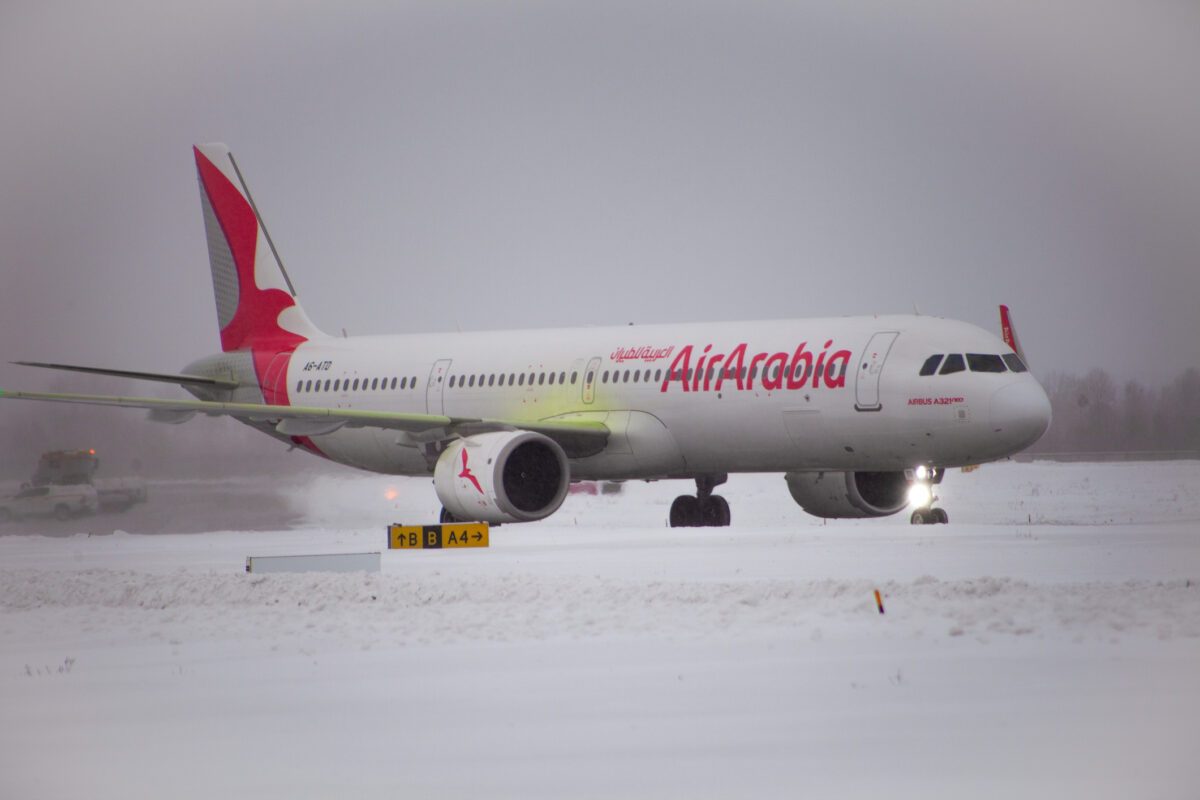
Air Arabia’s new Saudi joint venture has started operations from Dammam (DMM), opening a planned low-cost network centered on the kingdom’s Eastern Province.

The carrier operated its inaugural flight from Dammam to Riyadh (RUH) on September 20, 2026. Ceremonies were held before departure at DMM and after the Airbus A320 arrived in the Saudi capital.
The launch turns a project selected by Saudi Arabia’s General Authority of Civil Aviation in July 2025 into an operating airline. Air Arabia leads the consortium alongside Saudi partners Nesma Group and KUN Holding, with the venture under majority Saudi ownership.
Read our stories in your inbox
Two aviation newsletters. Zero fluff.
Three Domestic Routes Open the Dammam Network
The initial schedule links Dammam with three of Saudi Arabia’s principal domestic markets. Riyadh and Jeddah (JED) each receive two daily round trips, while Medina (MED) is served daily.
That program gives the carrier 35 departures from Dammam each week. With the airline’s A320s configured for 174 passengers in a single-class cabin, the opening schedule provides about 6,090 departing seats per week and 12,180 seats across both directions.
The three routes give the operation a broad starting traffic base. Riyadh links the Eastern Province with the capital, while Jeddah is both a major commercial market and the gateway to western Saudi Arabia. Medina adds religious and visiting-friends-and-relatives demand to the mix.
Air Arabia’s booking page lists the regular services from September 21, the day after the ceremonial Dammam-Riyadh inaugural flight. Starting with domestic sectors allows the carrier to establish aircraft utilization, crew patterns and ground operations at its new base before moving into the larger international network promised for Dammam.
A New Saudi Airline Built Around Air Arabia’s Model
GACA issued the venture’s Air Operator Certificate on September 14 after it completed the required safety, security and operational compliance process. The regulator described it as the kingdom’s new national budget carrier and said the certification cleared the airline to begin commercial operations from Dammam.
Air Arabia’s financial filings identify the legal entity as Air Arabia DMM LLC. The Sharjah-based group holds a 49% interest in the joint venture, leaving Saudi investors with majority ownership. The arrangement follows the structure Air Arabia has used to extend its operating model into other markets through locally incorporated airlines.
The Dammam company enters service with Air Arabia’s established distribution, loyalty and onboard products. Flights are sold through the group’s website, while passengers have access to AirRewards, the SkyTime streaming platform and the buy-on-board SkyCafe menu.
For Air Arabia, the launch adds Saudi Arabia to a group footprint that already includes affiliated operations in the United Arab Emirates, Morocco, Egypt and Pakistan. The group reported a fleet of 96 Airbus A320 and A321-family aircraft at the end of June 2026, giving the Dammam venture access to an established base of operational and commercial expertise.
The Long-Term Plan Is Far Larger
The three domestic routes represent only the first stage of the project. When the consortium won GACA’s competition, it set out a plan to serve 24 domestic and 57 international destinations by 2030.
The business plan calls for 45 aircraft, approximately 10 million passengers annually and more than 2,400 direct aviation jobs. Reaching those targets would make the airline one of DMM’s principal operators and require a substantial international expansion beyond the opening Saudi routes.
The scale is significant when measured against Dammam’s present traffic. King Fahd International handled 13.7 million passengers and 108,500 flights in 2025, making it Saudi Arabia’s third-busiest airport behind Jeddah and Riyadh.
Dammam Airports is simultaneously preparing for further growth. Its master plan targets more than 19.3 million annual passengers by 2030, while infrastructure development is intended to raise eventual capacity to 32 million passengers and 77 aircraft movements per hour. The plan also includes more than SAR1.6 billion in projects across the Dammam Airports portfolio.
A home-based low-cost airline is central to that expansion strategy. Unlike additional service by carriers that pass through Dammam as an outstation, a locally based operation can schedule early departures and late returns, build connecting opportunities and add aircraft as markets mature.
Airbus A320s Provide the Starting Platform
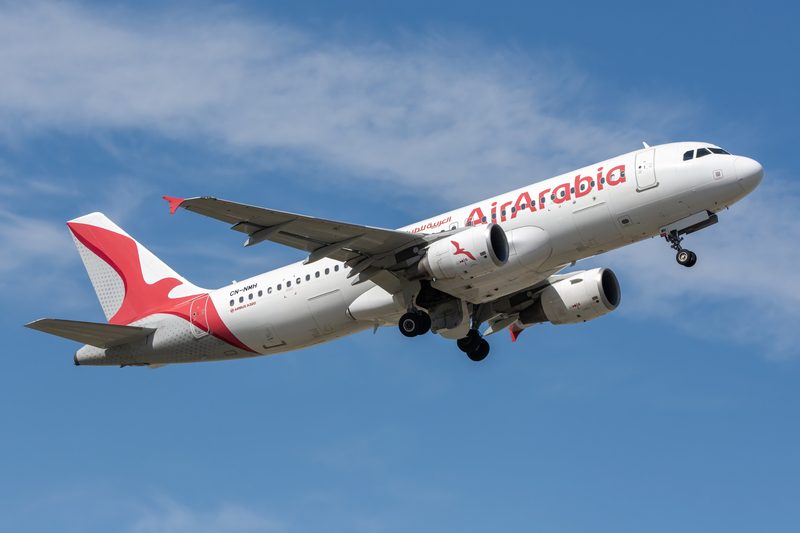
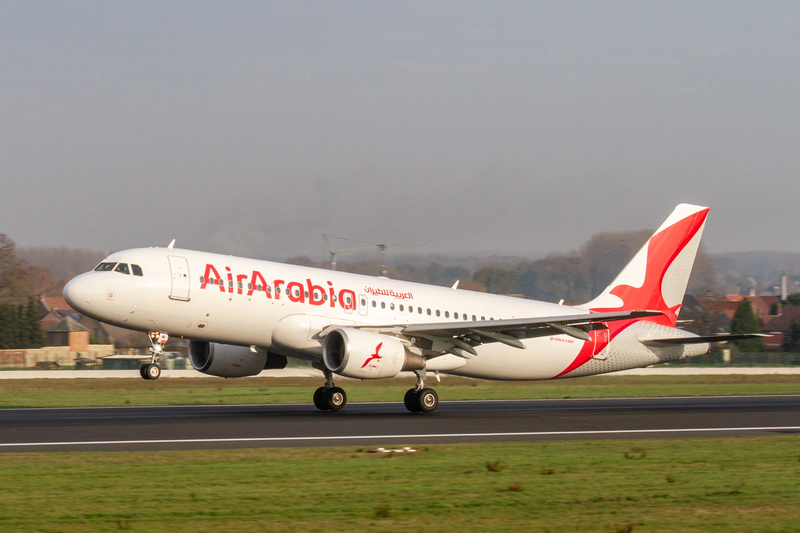
The carrier has begun flying 174-seat Airbus A320s, matching the core aircraft used across the Air Arabia group. The type gives the startup enough capacity for Saudi trunk routes while retaining the economics and range needed for future regional and medium-haul international services.
A single-class A320 operation also limits complexity during the airline’s early phase. Pilots, cabin crew, maintenance support and spare-aircraft coverage can draw on a platform already used extensively by Air Arabia and its affiliated carriers.
The wider group is in the early stages of a fleet renewal and expansion program covering 120 Airbus A320-family aircraft. That order includes A320neo and A321neo variants, providing a potential pipeline as the Dammam airline works toward its 45-aircraft target.
Air Arabia Group Chief Executive Adel Al Ali said the carrier intends to expand its network and services progressively. The next step will be moving beyond the initial domestic framework, with international flying required to deliver most of the planned 81-destination network.
Bottom Line
The immediate gain is for travelers in Saudi Arabia’s Eastern Province. A home-based low-cost carrier gives Dammam a dedicated source of capacity rather than relying solely on airlines whose network priorities are centered elsewhere. Even at launch, 35 weekly departures create a meaningful schedule across the kingdom’s three core domestic markets.
The development also shows how Saudi aviation policy is moving beyond growth at Riyadh and Jeddah. The Dammam venture combines Saudi capital and ownership with an experienced foreign low-cost operator, giving GACA another competitor while limiting the execution risk involved in building an airline platform from scratch.
The international rollout will determine the project’s wider importance. Building toward 45 aircraft and 10 million annual passengers will require a much denser network than the opening domestic schedule, along with sustained aircraft deliveries, recruitment and base development. The destinations selected next will indicate whether Dammam is being developed primarily as an origin-and-destination low-cost market or as a broader connecting point for the Gulf, South Asia, the Middle East and nearby African markets.
Keep reading FlyMag
Get the Daily Brief in the morning or the Route Watch weekly recap on Fridays. Or both.