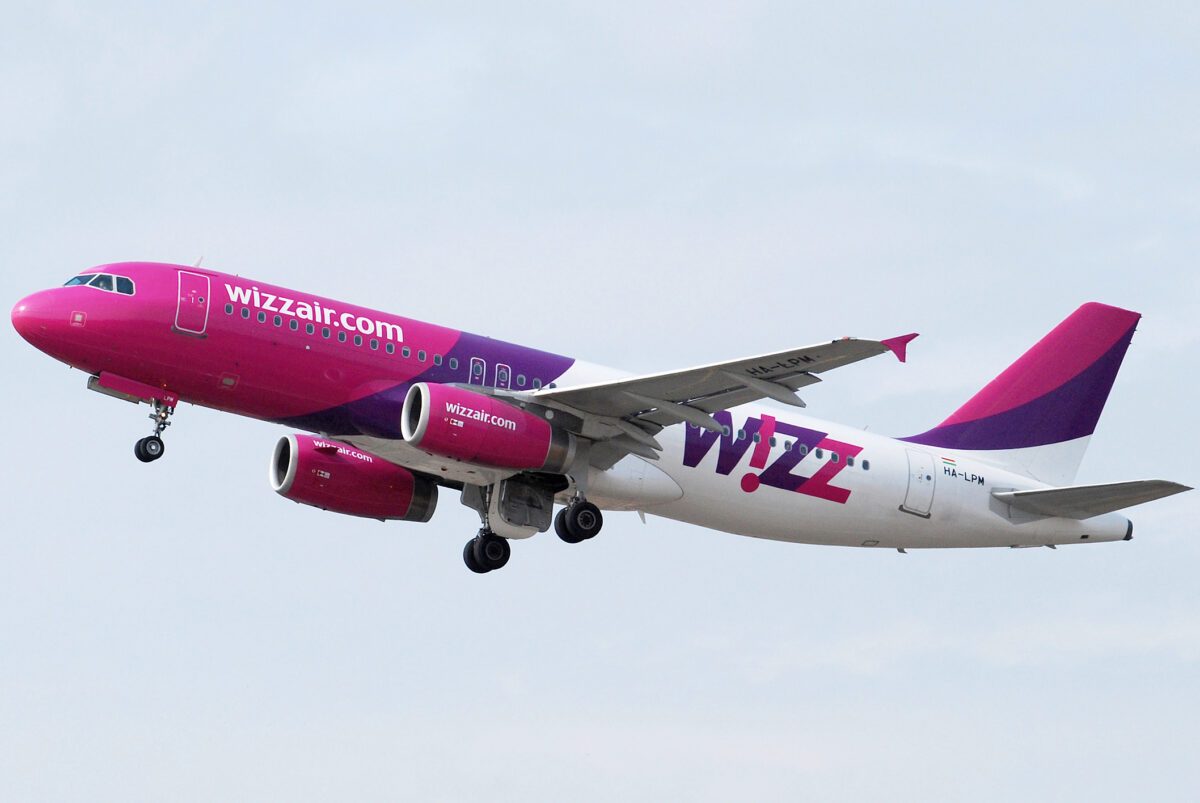
Wizz Air is adding eight airports to its active network during 2026, with expansion spanning Romania, Turkey, Spain, Croatia, Greece and Egypt.

The additions are Oradea, Ankara, Menorca, Rijeka, Zadar, Kefalonia, Kalamata and Alexandria. Seven were receiving Wizz Air flights by August 31, while the carrier’s return to Alexandria is scheduled for September 7.
The distinction matters: this is a collection of stations entering or reentering Wizz Air’s current network, rather than eight routes launched simultaneously. Some airports have received several Wizz services, while others are supported by a single low-frequency link. Alexandria is also a returning destination, having previously appeared in the group’s network.
Read our stories in your inbox
Two aviation newsletters. Zero fluff.
Oradea Brings Three Wizz Air Routes to Western Romania
Oradea (OMR) joined the network on March 30 when Wizz Air opened a twice-weekly service from Milan Bergamo (BGY). The municipality confirmed the inaugural operation, with flights scheduled on Mondays and Fridays.
Rome Fiumicino (FCO) and Dortmund (DTM) followed in late June, giving Oradea three Wizz Air routes. The station extends the airline’s coverage in Romania without requiring another base. Wizz Air said in July that it was operating from 14 Romanian airports, supported by nine bases and more than 235 routes.

Oradea is a characteristic Wizz market: a regional city with outbound leisure, labor and visiting-friends-and-relatives demand, linked directly to large population centers in Italy and Germany.
Ankara Opens a New Capital-to-Capital Market
Wizz Air began flying between Budapest (BUD) and Ankara (ESB) on April 29. The three-times-weekly service connected the Hungarian and Turkish capitals nonstop and added Ankara to Wizz Air’s present network alongside its Turkish services to Istanbul and Antalya.
The airline marked completion of the first flight as another expansion of its Budapest base. Turkey’s Tourism Promotion and Development Agency subsequently confirmed that the route operates three times weekly.
Ankara differs from many of the leisure-heavy additions in this group. It is a government, business and domestic transport center, giving Wizz Air a market with potential for year-round traffic in both directions rather than a short peak-season operation.

Menorca Extends Wizz Air’s Mediterranean Footprint
Menorca (MAH) became another Wizz destination during the summer schedule. Spanish airport operator Aena currently lists Wizz Air services from Menorca to Budapest and Warsaw, giving the carrier access to an established Balearic leisure market from two of its principal Central European bases.
The island is a more seasonal proposition than Mallorca or the Spanish mainland. That makes limited summer flying a lower-risk way to test demand while using aircraft during the period when European leisure yields and utilization are strongest.
Menorca formed part of a wider Budapest expansion supported by a 19th aircraft at the base. Wizz Air grouped the island with new Budapest routes to Kalamata, Kefalonia, Varna and Krakow, while also increasing frequencies in several established markets.
Wizz Air Enters Rijeka and Zadar
Croatia supplied two of the eight stations. At Rijeka (RJK), the airport’s published summer schedule shows Wizz Air flights from Budapest, Gdansk (GDN) and Katowice (KTW). The seasonal services began in June and run into October, connecting the northern Adriatic to three markets where Wizz Air has a substantial operating presence.

Farther south, Wizz Air entered Zadar (ZAD) with flights from Budapest and Warsaw (WAW). Zadar Airport welcomed the first Budapest arrival on June 9 and said the Warsaw route would operate four times weekly during the summer.
The Croatian flying is built around inbound tourism rather than a locally based operation. It also places Wizz Air alongside Ryanair, which has developed a large seasonal footprint on the Adriatic. Wizz is approaching that market selectively, using strong Central European bases to feed individual coastal destinations instead of committing aircraft to a Croatian base.
Kefalonia and Kalamata Broaden the Greek Program
Wizz Air also added Budapest services to Kefalonia (EFL) and Kalamata (KLX). Both are seasonal leisure markets, but they address different parts of Greece: Kefalonia provides direct access to the Ionian Islands, while Kalamata serves the southern Peloponnese.
Kefalonia Airport now lists Wizz Air among its operators. The routes add depth to a Greek network that already covers larger destinations including Athens, Thessaloniki, Corfu, Rhodes, Crete and Santorini.
Kalamata is a particularly focused addition. The airport handled 368,515 passengers in 2025, according to Fraport Greece, with international traffic accounting for 92.4% of the total. That profile is well suited to a seasonal, origin-driven route from Budapest rather than a high-frequency year-round service.
Alexandria Returns in September
The eighth airport is Alexandria Borg El Arab (HBE), which is due to rejoin the network on September 7 through a three-times-weekly Wizz Air Malta service from Rome Fiumicino.
Alexandria therefore should not yet be described as launched as of August 31. It is also a restoration rather than Wizz Air’s first operation at the Egyptian airport. The route nevertheless gives the group another North African point from its largest Italian base and complements its growing Egypt program, which includes Cairo, Sharm el-Sheikh, Hurghada and Marsa Alam.
Rome-Alexandria adds a market with a broader traffic base than the Croatian and Greek seasonal routes. Leisure demand can be combined with family, labor and cultural traffic between Italy and Egypt, supporting service beyond the short northern European summer.
The A321neo Underpins the Expansion
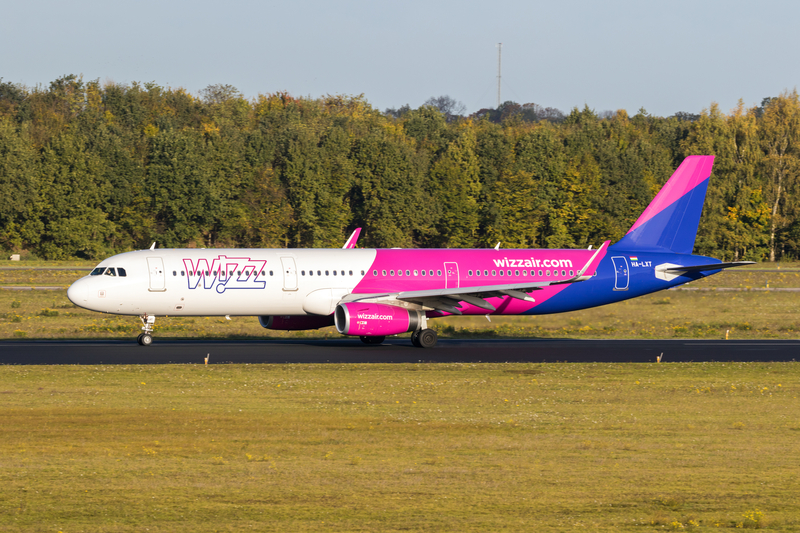
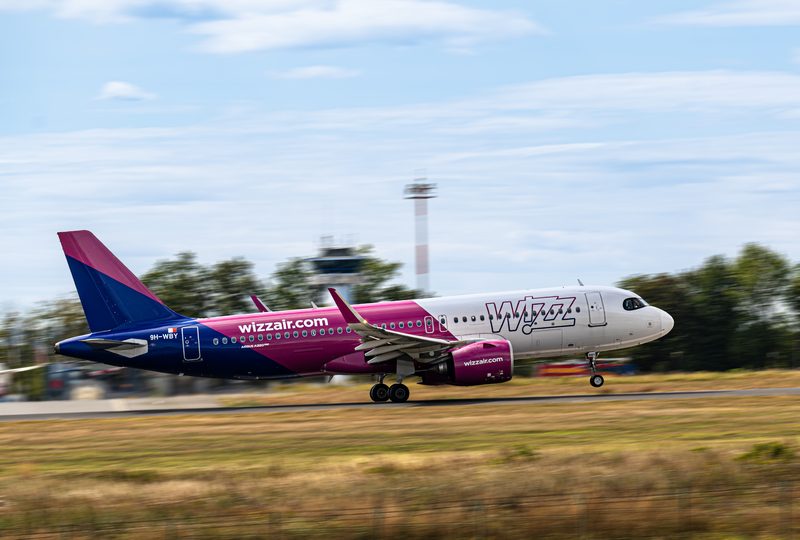
Wizz Air’s principal instrument for this network growth is the Airbus A321neo. The airline operates the type with 239 seats in a single-class configuration, allowing it to spread ownership, crew and fuel costs across more passengers than an A320-family aircraft with a conventional short-haul layout.
That density is valuable on price-sensitive leisure and VFR routes, although it also raises the number of passengers required to sustain a service. Wizz manages that exposure through low initial frequencies and seasonal flying at thinner stations such as Rijeka, Kefalonia and Kalamata.
As of April, Wizz Air said more than 75% of its fleet consisted of A321neos and that it intended to move to an all-neo fleet by 2029. The carrier had expanded to 267 aircraft by June, when it recorded its first day operating 1,200 flights across the network.
Bottom Line
The eight-airport expansion shows Wizz Air pursuing several types of opportunity with the same high-density fleet. Oradea fits its established Central and Eastern European VFR model, Ankara adds a potentially durable capital market, and Alexandria strengthens the airline’s reach from Italy into North Africa. The island and Adriatic stations, meanwhile, put spare summer capacity into markets capable of supporting high fares during a concentrated travel period.
The main beneficiaries are regional airports that gain direct access to Wizz Air’s largest Central European bases without having to secure a locally stationed aircraft. For Wizz, the model limits fixed exposure: frequencies can be added where demand develops, while seasonal routes can be removed or reassigned more easily than base capacity. Deploying the 239-seat A321neo makes that flexibility essential, since weak loads are more costly when each departure brings such a large block of seats.
Alexandria will be the next immediate test when Rome service begins on September 7. Beyond that launch, the more important measure will be how many of the Croatian, Greek and Menorcan routes return in summer 2027. Their renewal, and any shift toward longer seasons or higher frequencies, will indicate whether these airports have become durable parts of Wizz Air’s network or remain tactical outlets for peak-season capacity.
Keep reading FlyMag
Get the Daily Brief in the morning or the Route Watch weekly recap on Fridays. Or both.