The Middle East airspace shock on February 28, 2026 didn’t just trigger diversions and “flights to nowhere.” It also stranded a surprisingly large amount of long-haul capacity far from home.
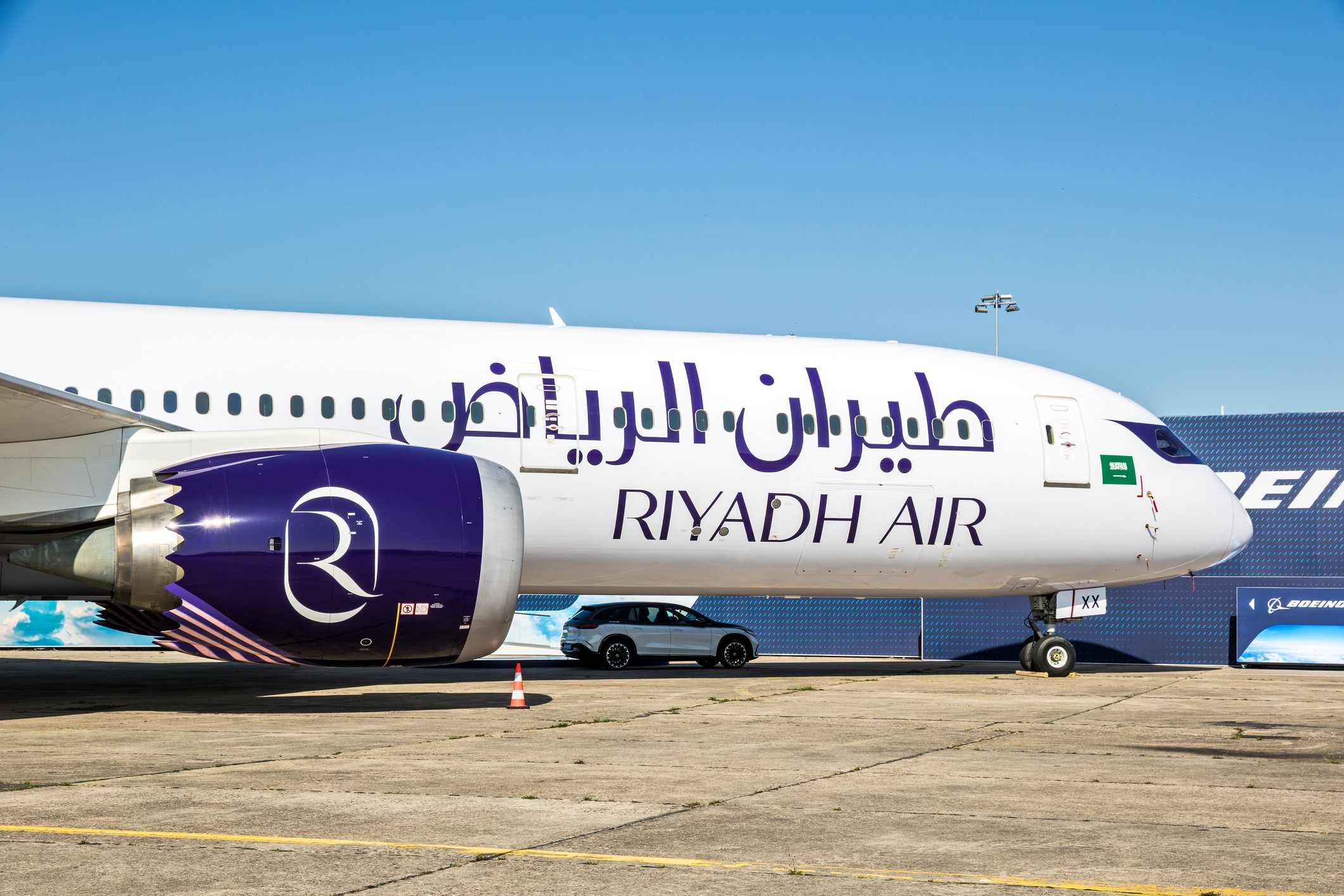
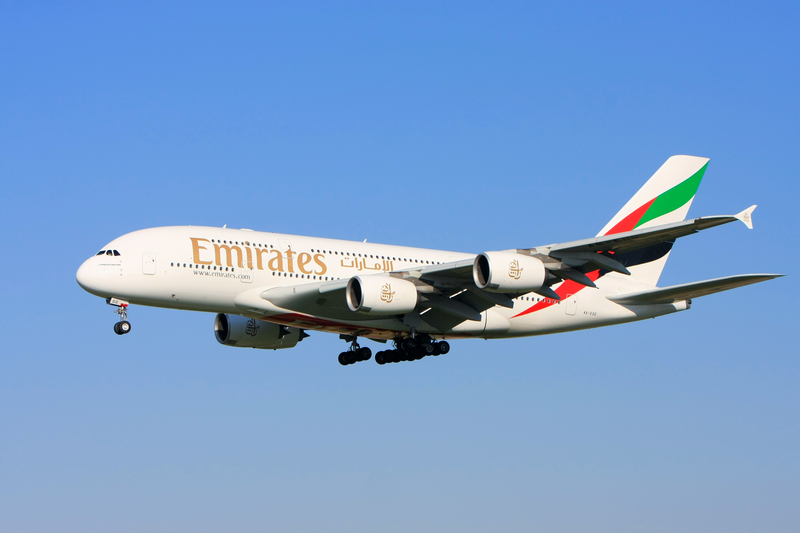
As Gulf airspace access tightened—and key hubs in Doha (DOH), Dubai (DXB/DWC), and Abu Dhabi (AUH) suspended or severely curtailed operations—33 widebody aircraft belonging to Middle Eastern carriers ended up parked at 13 airports across the U.S. and Canada, unable to operate their scheduled returns. The marooned fleet is dominated by the Gulf “Big Three” (Emirates, Etihad, Qatar Airways), with additional aircraft from El Al, Saudia, and Qatar Airways’ Executive and Cargo units.
For airline ops teams, this is the nightmare recovery pattern: aircraft and crews pinned at outstations, passengers displaced, cargo stalled, and the hub banks that normally “reset the system” simply unavailable.
Read our stories in your inbox
Two aviation newsletters. Zero fluff.
Why these aircraft can’t “just go around”
When multiple FIRs go unavailable at once, long-haul reroutes aren’t a simple detour. They can require:
-
New dispatch planning and overflight permissions on short notice
-
ETOPS re-clearance under altered alternates and weather constraints
-
Payload/fuel tradeoffs if detours add 1–3 hours of block time
-
Crew legality challenges when the return flight is delayed beyond duty windows
-
Gate/stand logistics at alternates (especially for A380s and 777s)
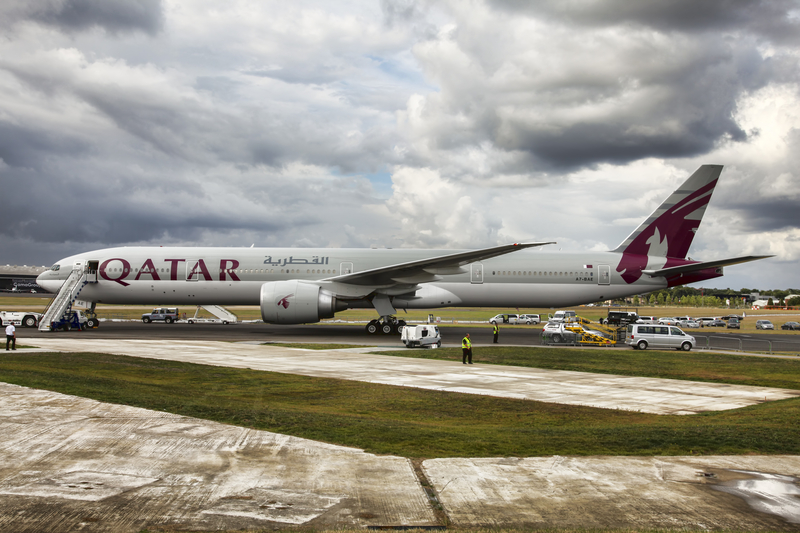
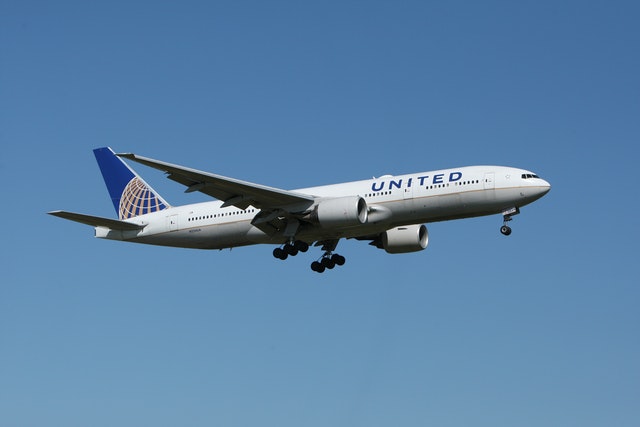
Even if a route can be flown safely via the north (Türkiye/Caucasus) or south (Red Sea/Arabian Sea), the destination hub being closed—or partially closed—still makes the flight operationally pointless. You can’t arrive into a closed airport, and you can’t build a connecting bank with aircraft stuck across continents.
The stranded fleet by airport
Below is a snapshot of aircraft reported on the ground in North America during the disruption window, compiled from flight-tracking data at the time. Movements can change quickly as operators reposition aircraft to alternates or ferry them when permissions reopen.
| Airport | Aircraft (Reg) | Type | Operator | Flight |
|---|---|---|---|---|
| Atlanta (ATL) | A7-ANN | A350-1000 | Qatar Airways | QR755 |
| A6-XWL | A350-1000 | Etihad | EY13 | |
| Boston (BOS) | A7-AMF | A350-900 | Qatar Airways | QR743 |
| A6-EPW | 777-300ER | Emirates | EK237 | |
| A6-BNJ | 787-9 | Etihad | EY7 | |
| Dallas/Fort Worth (DFW) | A6-EPY | 777-300ER | Emirates | EK221 |
| A7-BBC | 777-200LR | Qatar Airways | QR731 | |
| A7-BBA | 777-200LR | Qatar Airways | QR732 | |
| Newark (EWR) | 4X-EDH | 787-9 | El Al | LY27 |
| Washington Dulles (IAD) | A6-EDP | A380-800 | Emirates | EK231 |
| A6-BNH | 787-9 | Etihad | EY5 | |
| A7-BEK | 777-300ER | Qatar Airways | QR707 | |
| Houston (IAH) | A7-BFP | 777F | Qatar Cargo | QR8812 |
| New York (JFK) | 4X-EDC | 787-9 | El Al | LY3 |
| 4X-EDM | 787-9 | El Al | LY1 | |
| A6-EOD | A380-800 | Emirates | EK203 | |
| A6-EEH | A380-800 | Emirates | EK201 | |
| A7-BEP | 777-300ER | Qatar Airways | QR703 | |
| A7-AMJ | A350-900 | Qatar Airways | QR706 | |
| A7-BAI | 777-300ER | Qatar Airways | QR701 | |
| A6-XWI | A350-1000 | Etihad | EY1 | |
| A6-BLB | 787-9 | Etihad | EY3 | |
| Los Angeles (LAX) | 4X-EDD | 787-9 | El Al | LY5 |
| A6-EUL | A380-800 | Emirates | EK215 | |
| A7-ANC | A350-1000 | Qatar Airways | QR739 | |
| Orlando (MCO) | A6-EGI | 777-300ER | Emirates | EK219 |
| Seattle (SEA) | A7-BEX | 777-300ER | Qatar Airways | QR719 |
| San Francisco (SFO) | A7-CHB | Gulfstream G700 | Qatar Executive | QE955 |
| A7-ANA | A350-1000 | Qatar Airways | QR737 | |
| Montréal (YUL) | A6-EXP | A350-900 | Emirates | EK243 |
| Toronto (YYZ) | HZ-AR23 | 787-9 | Saudia | SV61 |
| A6-APJ | A380-800 | Etihad | EY21 | |
| A6-EEG | A380-800 | Emirates | EK241 |
What makes this especially expensive
Parking a widebody is easy. Recovering a widebody schedule is not.
-
A380s are capacity “anchors.” When an A380 is stuck at JFK, IAD, LAX, or YYZ, you’re not just losing one rotation—you’re losing 450–600+ seats of hub-bank capacity and a major chunk of belly cargo uplift.
-
777-300ERs are the backbone. Emirates’ 777-300ER fleet is built for relentless utilization. Every day an aircraft sits at BOS, DFW, or MCO creates knock-on gaps across multiple continents.
-
Cargo disruption compounds quickly. A grounded 777F (like the Qatar Cargo aircraft at IAH) doesn’t just delay one shipment. It can break time-critical lanes for pharma, perishables, and e-commerce that are routed through Gulf logistics networks.

Passenger reality: rebooking is the easy part; network rebuilding is the hard part
For travelers, the immediate pain is obvious: cancellations, diversions, and missed connections through hubs that normally “solve” complexity. But the deeper disruption is that many passengers aren’t being rebooked onto the same airline at all. With Gulf hubs offline, carriers are forced to “export” passengers to other routings—often via European gateways like Istanbul (IST), Rome (FCO), or North American re-accommodations that rely on interline options and whatever inventory still exists.
Meanwhile, crews and aircraft are scattered. Even after airspace reopens, airlines must:
-
reposition aircraft back to base,
-
reset crew rest and duty,
-
rebuild departure banks,
-
and reflow maintenance planning that assumes certain aircraft are home overnight.
That recovery typically takes days, not hours—especially for networks as tightly banked as DOH and DXB.
Bottom Line
The February 28 airspace shutdown didn’t just empty flight-tracking maps over the Gulf—it stranded the physical machinery of global connectivity. With 33 widebody aircraft parked at 13 North American airports—including A380s, A350s, 777s, 787s, a 777 freighter, and even a G700—the Gulf carriers’ hub-and-bank model faces its toughest challenge: you can’t connect the world when your aircraft and crews can’t get home.
Keep reading FlyMag
Get the Daily Brief in the morning or the Route Watch weekly recap on Fridays. Or both.