United Airlines plans to serve 11 destinations in Asia nonstop from San Francisco during the summer 2027 season, adding Okinawa to an already broad network spanning Japan, China, South Korea, Taiwan, the Philippines and Singapore.

The new San Francisco (SFO)-Okinawa (OKA) service is scheduled to begin March 27, 2027, operating three times weekly with a Boeing 777-200ER. United disclosed the route as part of its summer 2027 international expansion, which also includes nine new destinations in Europe and additional routes from Los Angeles, Denver and Washington Dulles.
United will be the only U.S. airline flying nonstop between the United States and Okinawa. The route is on sale and remains subject to government approval.
Read our stories in your inbox
Two aviation newsletters. Zero fluff.
United’s 11 Asian Destinations From San Francisco
Combining United’s Okinawa announcement with the airport’s updated list of nonstop Asian destinations and their operators produces an 11-destination summer network for the airline from SFO:
- Beijing (PEK)
- Hong Kong (HKG)
- Manila (MNL)
- Okinawa (OKA)
- Osaka (KIX)
- Seoul (ICN)
- Shanghai (PVG)
- Singapore (SIN)
- Taipei (TPE)
- Tokyo Haneda (HND)
- Tokyo Narita (NRT)
The count treats Haneda and Narita as separate destinations because they are distinct airports with separate United operations. It excludes Sapporo (CTS), which United is introducing as a winter-seasonal route rather than retaining in its summer schedule.
Frequencies and aircraft assignments on the established routes can still change before summer 2027. The destination list nevertheless shows the extent to which United has concentrated its continental U.S.-Asia network at SFO. No other United hub offers a comparable range of nonstop Asian cities.
Okinawa Follows a Seasonal Sapporo Experiment
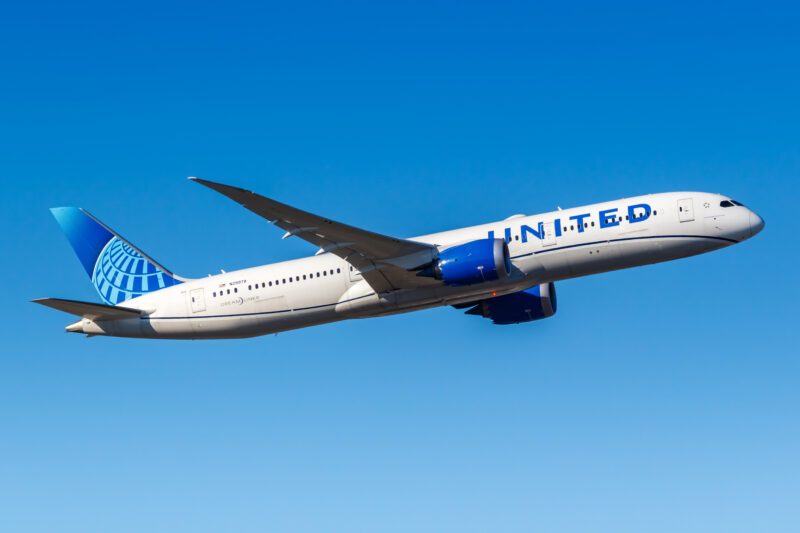
The Okinawa launch follows United’s decision to use SFO to open the first nonstop route between the continental United States and Sapporo. The airline’s three-times-weekly Sapporo service is scheduled to operate from December 2026 through March 2027 with a Boeing 787-9.
Okinawa starts as the Hokkaido flying season ends, effectively rotating United’s newest Japanese destination from a winter market in northern Japan to a warmer island market for the summer timetable. Both routes depend on the connectivity available behind SFO rather than Bay Area demand alone. United said its Sapporo flights would offer connections from nearly 80 U.S. cities through San Francisco.
Okinawa expands United’s Japanese portfolio from SFO beyond the major business and connecting gateways of Tokyo and Osaka. From San Francisco, the airline will serve four Japanese airports during summer 2027: Haneda, Narita, Kansai and Okinawa. Sapporo raises the total to five when the full seasonal cycle is considered.
The wider network also gives United several ways to distribute passengers beyond Japan. Its transpacific joint venture with ANA supports connections over Tokyo and Osaka, while United’s own Narita operation includes onward flying to destinations elsewhere in Asia and the western Pacific.
The 777 Brings Substantial Capacity to Okinawa
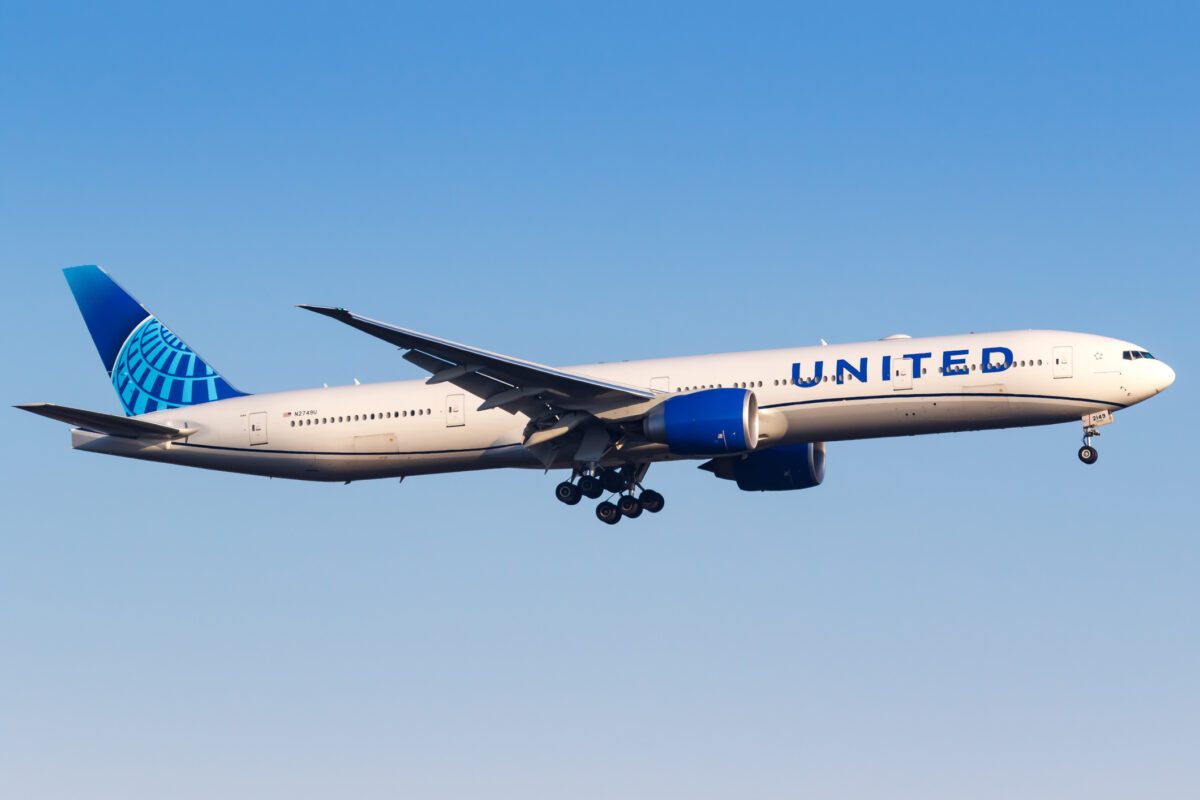
United has assigned the Boeing 777-200ER to the Okinawa route. That is a notably large aircraft for a new service operating only three times per week, particularly when several of the airline’s thinner international additions for 2027 will use the single-aisle Airbus A321XLR.
United has typically configured its international 777-200ERs with about 276 seats, including Polaris business class and Premium Plus. The type also gives the airline meaningful belly-cargo capacity, an important distinction from a narrowbody operation even when passenger demand is the primary reason for opening a route.
The aircraft has more than enough performance for SFO-OKA. Boeing lists the 777-200ER with a range of about 7,065 nautical miles, leaving substantial margin for the transpacific sector. The assignment is therefore more about capacity, fleet scheduling and cargo capability than reaching the destination.
A three-times-weekly pattern lets United deploy that capacity without committing to a daily service from the outset. It also provides room to test the balance between local Bay Area traffic, connecting passengers from across North America and inbound Japanese demand. If the route develops strongly, frequency growth would be a more straightforward next step than introducing a larger aircraft.
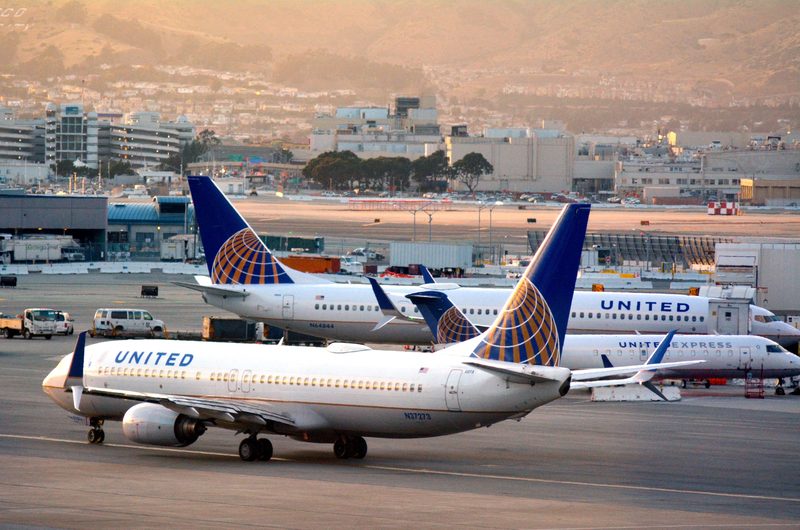
San Francisco Remains United’s Main Pacific Gateway
The Okinawa addition reinforces a network United has spent years rebuilding and broadening after the pandemic. Manila joined in 2023 as the first nonstop flight between the continental United States and the Philippines operated by a U.S. airline. United launched that service with the larger Boeing 777-300ER as part of an expansion that also increased its Hong Kong, Tokyo and Taipei schedules.
Beijing and Shanghai provide United’s mainland China links from SFO, while Singapore is the longest sector in the Asian portfolio. Seoul, Hong Kong and Taipei are large local and connecting markets with competing nonstop operators. Japan stands apart for the number of airports United will serve and the mix of trunk, secondary and seasonal destinations.
The result is not simply a collection of long-haul routes. United can feed the schedule from its western U.S. network, offer multiple departure windows in its largest markets and use different widebody types according to demand. Okinawa adds another specialized destination to that structure without requiring the daily capacity expected on a major Asian trunk route.
Bottom Line
Okinawa is a measured network addition rather than a major capacity gamble. Three weekly 777-200ER flights give United enough seats and cargo volume to make the route commercially meaningful, while avoiding the exposure of a daily schedule in a market with no established continental U.S. nonstop service.
The seasonal handoff from Sapporo to Okinawa is equally significant. United is using San Francisco’s domestic feed to support Japanese destinations that would be difficult to sustain as standalone local markets, matching northern Japan with winter demand and Okinawa with the summer schedule. That points to a more flexible model for adding secondary Asian cities than simply extending year-round service everywhere.
The next indicators will be Okinawa’s final operating timetable, how United schedules connections around the three weekly departures and whether the 777 assignment holds as the launch approaches. Strong early bookings could support additional frequencies, but the route’s first season will primarily test whether United can translate the breadth of its SFO hub into durable demand for another Japanese destination.
Keep reading FlyMag
Get the Daily Brief in the morning or the Route Watch weekly recap on Fridays. Or both.