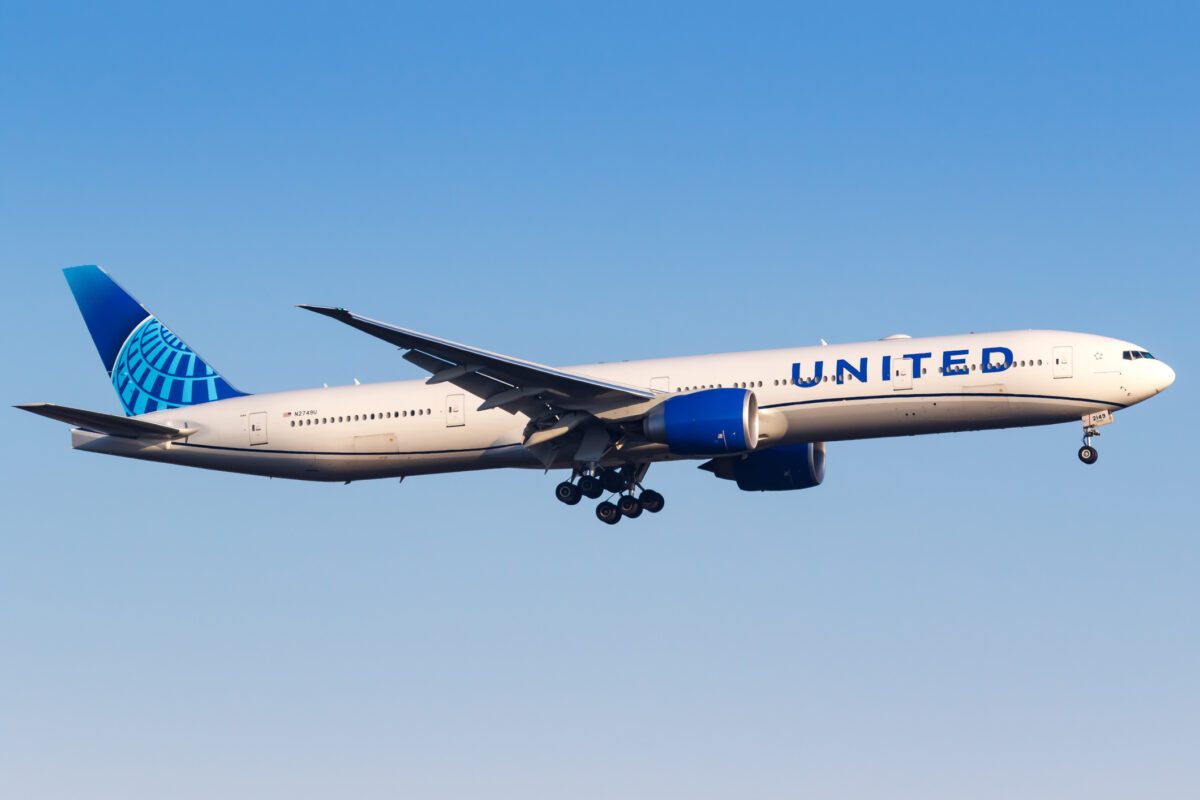
United Airlines has removed its Newark-Dubai operation from the core 2026-27 winter schedule, pushing any meaningful return of the carrier’s only United Arab Emirates route into March 2027.

The latest timetable for flight UA164 from Newark (EWR) to Dubai (DXB) retains a short block of late-October listings but then shows no operation from November 1 through March 13. Published schedule data places the next eastbound service on March 14, although the normal daily pattern does not settle back into the timetable until later that month.
The corresponding UA163 schedule from DXB to EWR follows the same broad pattern, with late-October entries followed by a winter gap and service reappearing in March. Airline schedules remain subject to further revision, particularly this far from departure, but the removal closes the possibility of a winter restart under United’s current plan.
Read our stories in your inbox
Two aviation newsletters. Zero fluff.
A Daily Boeing 777-300ER Operation Comes Out
United scheduled the route with the Boeing 777-300ER, operating UA164 eastbound and UA163 westbound. The winter timings called for a flight of about 13 hours and 10 minutes from Newark to Dubai, with the return scheduled at roughly 15 hours and 20 minutes because of prevailing winds and the westbound track.

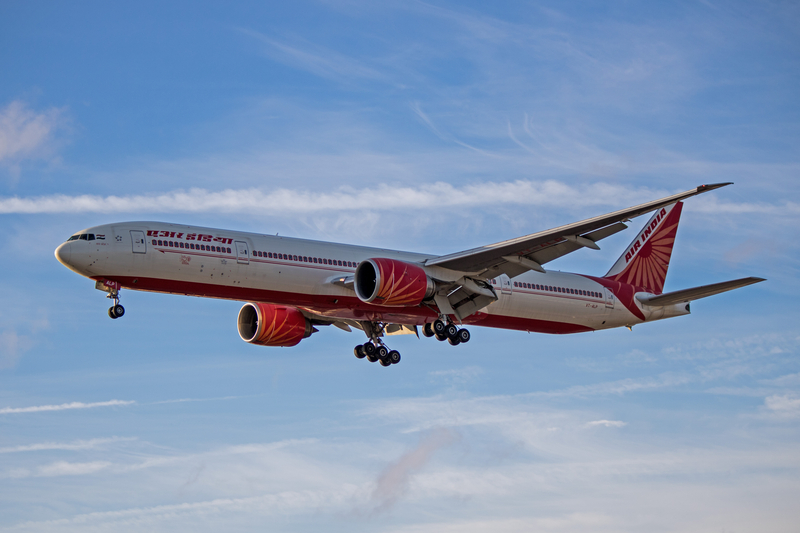
The aircraft is United’s largest-capacity long-haul widebody. The airline’s published 777-300ER configuration accommodates 350 passengers: 60 in United Polaris business class, 24 in Premium Plus and 266 in economy. All Polaris seats have direct aisle access.
That mix gave United substantial premium inventory for corporate and connecting traffic while retaining the economy capacity needed to compete for passengers traveling between North America, the Gulf, South Asia and Africa. The 777-300ER’s large lower-deck cargo volume also added freight revenue on a route linking two major logistics markets.
Boeing lists the 777-300ER with a range of up to 7,500 nautical miles, comfortably covering the approximately 6,886-mile scheduled route. Its combination of range, capacity and cargo volume made it a logical aircraft for Dubai, but it also represents a significant amount of capacity to commit while demand and operating conditions remain uncertain.
Had the daily schedule operated from November 1 through March 13, United would have offered about 46,550 seats in each direction, or more than 93,000 directional seats across the market. Removing the service also releases a 777-300ER rotation for deployment elsewhere in United’s international network.
Conflict Has Kept United Away Since February
The route’s prolonged interruption dates to the outbreak of hostilities involving Iran on February 28, 2026. United halted the Dubai operation as regional airspace restrictions, security concerns and rapidly changing routings disrupted flights across the Gulf.
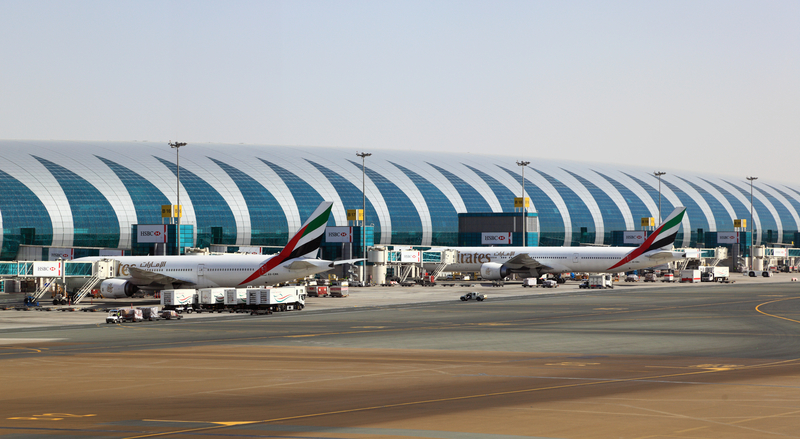
Dubai’s airports continued operating under constraints during the crisis. By early May, Dubai Airports said UAE airspace restrictions had been lifted and that DXB was increasing movements as regional flight paths became available. The airport handled six million passenger journeys and more than 32,000 aircraft movements between the start of the disruption and April 30.
United’s continued absence therefore extends beyond the period when restrictions directly limited DXB’s capacity. The decision reflects the different risk calculation facing a U.S. carrier operating into the Gulf, as well as the commercial effect of keeping a long-haul route suspended for months.
The U.S. State Department’s August 29 travel advisory for the UAE remains at Level 3, advising Americans to reconsider travel because of armed conflict and terrorism. It cites the continuing threat of Iranian drone and missile attacks and notes that commercial aviation has faced significant disruption since hostilities began.
The Federal Aviation Administration also maintains security notices covering Iran, the Persian Gulf and the Gulf of Oman. Those measures do not amount to a general closure of the UAE market, but they form part of the operational and security assessment required of a U.S. airline serving Dubai.
United itself identified the conflict in Iran, interruptions to international flying and delays to planned resumptions as business risks in an April 2026 investor filing. The continuing travel warning and uncertainty surrounding the region are also likely to weigh on U.S.-origin bookings, particularly in the higher-yield corporate segment needed to support 60 daily Polaris seats.
The Route Anchored United’s Emirates Partnership
United launched Newark-Dubai in March 2023 as the long-haul centerpiece of its commercial relationship with Emirates. When the airlines announced the agreement in 2022, they said the new flight would allow United customers to connect through Dubai to more than 100 destinations operated by Emirates and flydubai.
The original partnership announcement positioned EWR-DXB as more than a local New York-Dubai service. United supplied its domestic network and transatlantic-scale aircraft, while Emirates provided onward access across the Middle East, the Indian subcontinent, Central Asia and Africa.
That connecting proposition helped distinguish the route from a conventional long-haul spoke. It also meant that performance depended on several traffic flows at once: New York-Dubai demand, connections over EWR, and onward journeys beyond DXB. A prolonged suspension weakens those flows because customers and corporate travel programs migrate to routings that are consistently available.
The wider United-Emirates relationship remains in place, including codeshare, interline, loyalty and lounge benefits. What disappears for the winter is United’s own nonstop bridge into the Emirates network and the only route on which the U.S. airline operates its aircraft to Dubai.
March Remains a Planning Date
The March 2027 entries provide United with a timetable framework for restoration, rather than a guarantee that the 777-300ER will return on those dates. International services affected by conflict are routinely reopened, reduced or pushed back as airlines receive updated security assessments and monitor booking trends.
A restart would require more than unrestricted operations at DXB. United must be satisfied with regional routing options, crew security arrangements, insurance exposure and forward demand across both the local and connecting markets. It must also judge Dubai against other routes competing for the same 350-seat aircraft.
For now, the schedule change turns what had been a rolling operational suspension into a winter-long network decision. United can restore the route relatively quickly if conditions improve, but the removal of several months of inventory indicates that Newark-Dubai is no longer close to an operational return.
Bottom Line
United gains valuable widebody flexibility by taking Dubai out of the winter plan. A daily 777-300ER assignment consumes substantial aircraft and crew resources, and the airline can place that capacity in a market with fewer security variables and a more dependable booking curve. The decision is therefore as much about opportunity cost as it is about the ability to reach DXB safely.
Dubai and Emirates lose the direct feed produced by United’s Newark hub, while passengers lose a U.S.-operated option built around a particularly strong premium cabin. The move does not point to a broader weakness at DXB, which has already restored airspace capacity. It instead shows how differently U.S. and Gulf carriers may assess the same regional operating environment.
The next test will come as March inventory approaches its normal sales window. A stable security outlook, a lower U.S. travel advisory and rebuilding premium demand would support restoration. Further schedule deletions would suggest that United is reassessing not just the timing of its return, but the long-term role of Dubai within its partnership with Emirates.
Keep reading FlyMag
Get the Daily Brief in the morning or the Route Watch weekly recap on Fridays. Or both.