United Airlines is extending its Newark Liberty International Airport (EWR) to Palermo Airport (PMO) route beyond the traditional Mediterranean summer season, keeping the flight in operation through December 16, 2026.

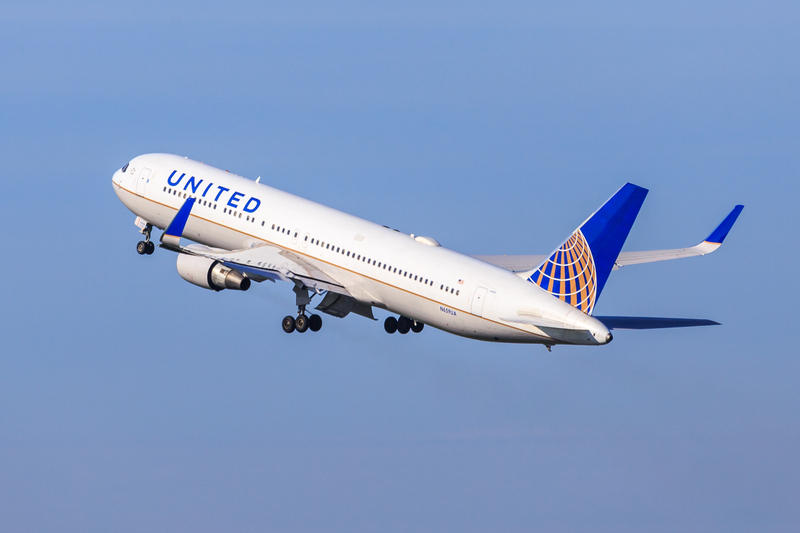
That alone is notable. Sicily has long been treated as a strongly seasonal leisure market, with most transatlantic service concentrated in the summer and early fall. What makes the move more interesting is the aircraft United plans to use: not a lower-profile downgrade, but its premium-heavy Boeing 767-300ER with 46 Polaris business class seats.
For aviation readers, that is the real story. United is not just stretching the season. It is signaling that it believes Palermo can support meaningful premium demand deeper into the year.
Read our stories in your inbox
Two aviation newsletters. Zero fluff.
Palermo Is No Longer Just A Peak-Summer Route
United first launched Newark–Palermo in May 2025 as part of its broader push into secondary European markets from Newark.
That route has now clearly done enough to earn more than just a repeat summer season. Instead of ending around the usual Mediterranean shoulder-season window, United will now continue the service into mid-December, which is a meaningful extension for a route that many would have assumed was purely summer-driven.
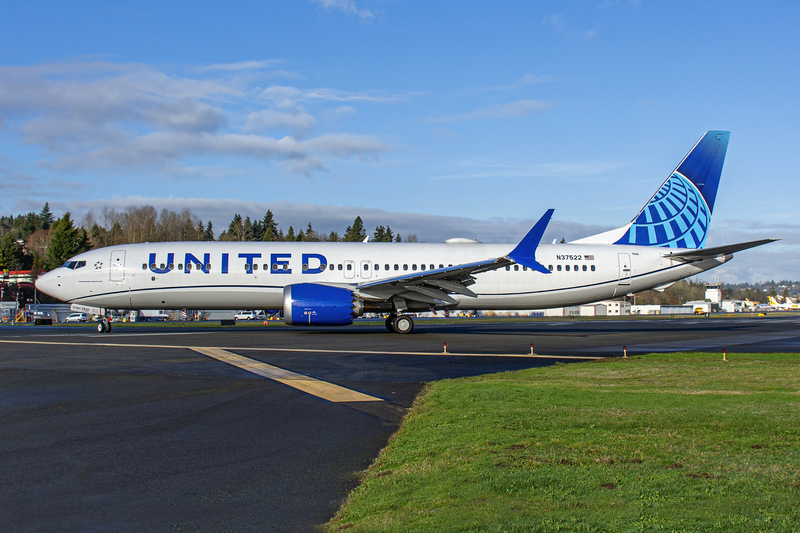
This matters because airlines do not usually deepen seasonal flying unless the market proves stronger than first expected.
The Aircraft Choice Is The Most Telling Part
United is assigning the route its 167-seat, high-J Boeing 767-300ER.
That configuration includes:
- 46 Polaris business class seats
- 22 Premium Plus seats
- 99 economy seats
That is an unusually premium-heavy layout for a route to a secondary European city. It is also one of the clearest signals possible that United sees Palermo as more than a simple leisure beach market.
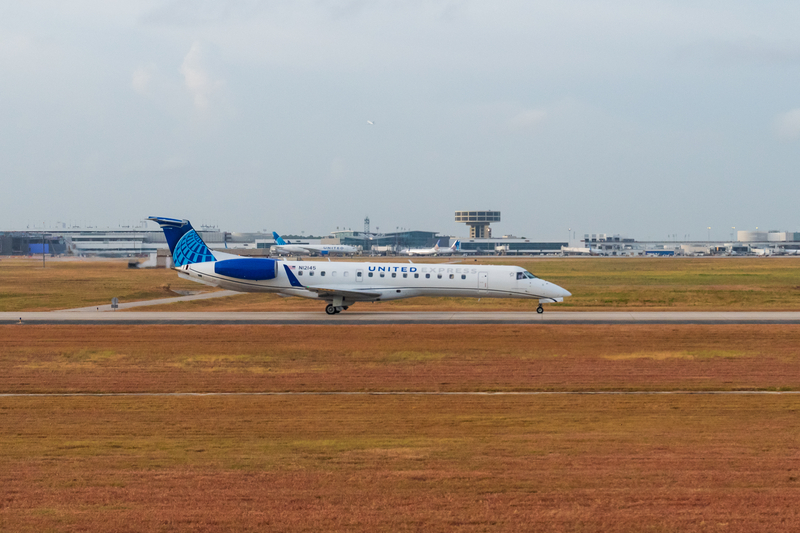
If the airline thought winter Sicily demand would depend mainly on low-fare economy traffic, this would not be the aircraft choice. The 46-seat Polaris layout suggests United expects enough premium leisure, redemption, and higher-yield diaspora demand to make the economics work.
The Route Will Continue Three Times Weekly
United plans to keep the service operating three times weekly through December 16, 2026.
That is an important detail because the airline is not trying to force daily winter service into the market. Instead, it is keeping the same kind of measured schedule that suits thinner long-haul routes, enough frequency to stay relevant, but not so much that the airline needs huge volumes to fill the aircraft.
That is usually exactly how a smart secondary-Europe route grows: gradually, and only where the market proves it can support more time on sale.
This Fits United’s Wider Secondary Europe Strategy
Palermo is now becoming one of the clearest examples of a strategy United has been developing for several years.
The airline has increasingly moved beyond the classic transatlantic giants like London Heathrow, Frankfurt, and Paris, and into smaller leisure-heavy or diaspora-linked markets such as:
- Ponta Delgada
- Palma de Mallorca
- Málaga
- Faro
- Madeira
- Bilbao
- Bari
- Split
- Santiago de Compostela
- Palermo
That is what makes the winter extension important beyond Sicily itself. It suggests United’s newer secondary-Europe model is not only working in summer, but may now be maturing into something more durable.
The 767 Helps Make These Routes Viable
The premium-heavy 767-300ER is central to why routes like Palermo can work.
It gives United a long-haul aircraft that is small enough to limit risk on thinner routes, but premium enough to drive stronger revenue if the market supports higher-yield traffic. That balance matters enormously on routes that are not giant trunk markets but still have enough prestige, luxury, and diaspora demand to justify nonstop flying.
In many ways, Palermo is exactly the sort of market this aircraft was built to support in United’s network.
Sicily’s Demand Pattern May Be Changing
There is also a broader tourism trend behind this.
Southern Europe, including Sicily, is increasingly seeing its tourism season extend beyond the old June-to-August peak. More travelers are deliberately choosing the shoulder seasons and early winter months to avoid summer heat, crowds, and high prices. In Sicily’s case, that demand is being helped by growth in:
- luxury tourism
- food and wine travel
- cultural tourism
- visiting-friends-and-relatives demand from the northeastern U.S.
That does not make Palermo a year-round mega-market. But it may make it less seasonal than airlines once assumed.
This Could Be A Test Case For Other Mediterranean Routes
The route may also matter because of what it could mean elsewhere.
If Newark–Palermo performs well into December, it may encourage United to look more seriously at extending other Mediterranean and southern European secondary routes deeper into winter. The airline is already experimenting with a similar premium-heavy approach on Bari and Split, and Palermo may become the first proof point that the strategy can stretch beyond summer.
That is why this route extension is worth watching.
Bottom Line
United’s decision to keep Newark–Palermo flying through December 16, 2026 is more important than it first appears. It suggests the airline believes Sicily can support meaningful traffic beyond the peak summer season, and the use of its 46-seat Polaris 767-300ER indicates that demand is not expected to be purely economy-heavy.
For United, Palermo is no longer just a summer experiment. It is becoming one of the clearest signs that the airline’s secondary-Europe strategy may be working well enough to last deeper into the calendar.
Keep reading FlyMag
Get the Daily Brief in the morning or the Route Watch weekly recap on Fridays. Or both.