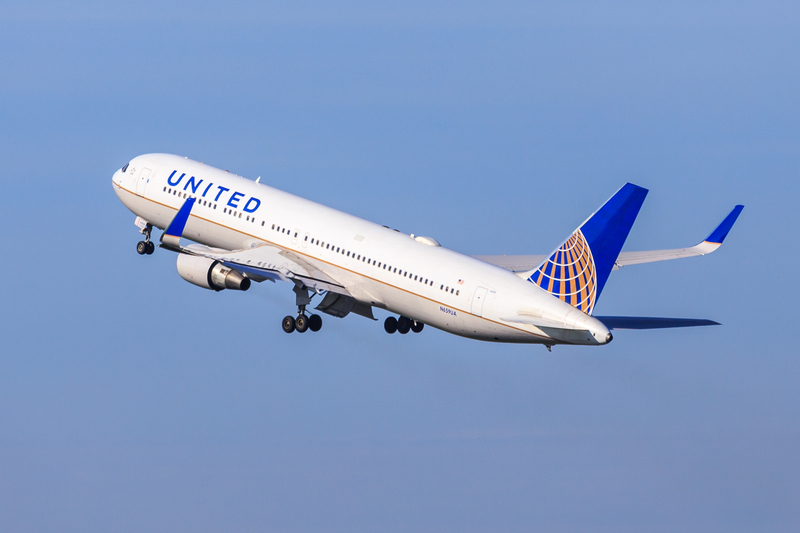
United Airlines is extending fare unbundling into its premium cabins, introducing three ticket types for United Polaris business class and United Premium Plus: Base, Standard, and Flexible.

That is a significant shift for a U.S. network carrier. Basic economy has long been used to segment the back of the aircraft, but United is now applying the same logic much closer to the pointy end. The result is a lower advertised entry price into premium cabins, but also a more stripped-down version of what many passengers once assumed came automatically with a premium ticket.
For United, the move is commercially logical. For passengers, it means premium travel is becoming more customizable, but also more complicated.
Read our stories in your inbox
Two aviation newsletters. Zero fluff.
What the New Fare Structure Actually Changes
The key point is that United is not changing the onboard seat or the onboard meal in Polaris or Premium Plus. The cabin experience itself remains the same. What is changing is the bundle around the seat.
In the new structure, Base becomes the cheapest premium option. Standard sits in the middle and broadly resembles the current nonrefundable premium fare. Flexible remains the fully refundable version.
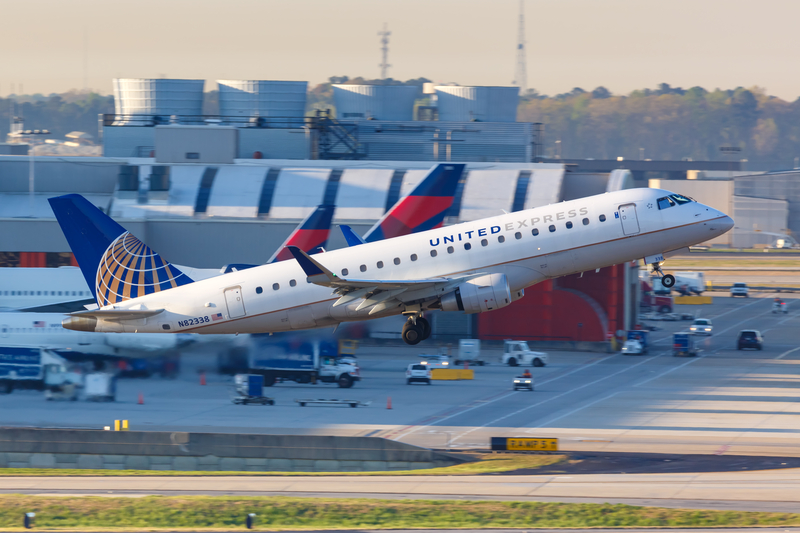
For Polaris, the Base fare removes several benefits that were previously bundled into the ticket. Advance seat selection will carry a fee, checked baggage drops from two included bags to one, flight changes are not permitted, and the fare is nonrefundable. Most notably, Base Polaris no longer includes access to the United Polaris Lounge. Instead, travelers will receive access to the standard United Club.
That lounge distinction is not a minor footnote. Polaris Lounge access has been one of the clearest markers separating United’s long-haul business-class product from ordinary premium travel. Removing it from the cheapest Polaris fare changes the meaning of the ticket in a very visible way on the ground, even if the seat onboard remains the same.
Premium Plus Is Also Being Pulled Into the Same Model
The same fare logic is being applied to United Premium Plus, which means this is not just a business-class story.
Base Premium Plus also comes with fewer included benefits. Seat selection can require an extra payment, baggage is reduced to one included checked bag, changes are not permitted, upgrades are not allowed, and the fare is nonrefundable. Standard and Flexible restore the broader set of premium benefits, with Flexible adding full refundability.
That matters because Premium Plus has become an increasingly important product for United. Premium economy is often where airlines win travelers who want more than economy but are not prepared to pay business-class prices. By segmenting that cabin more aggressively, United is trying to widen the price ladder without giving away too much yield.
In other words, the airline is not just making Polaris cheaper to enter. It is trying to merchandise every layer of the premium cabin more precisely.
This Is About Revenue Quality as Much as Pricing
From a network and revenue-management perspective, the move makes complete sense.
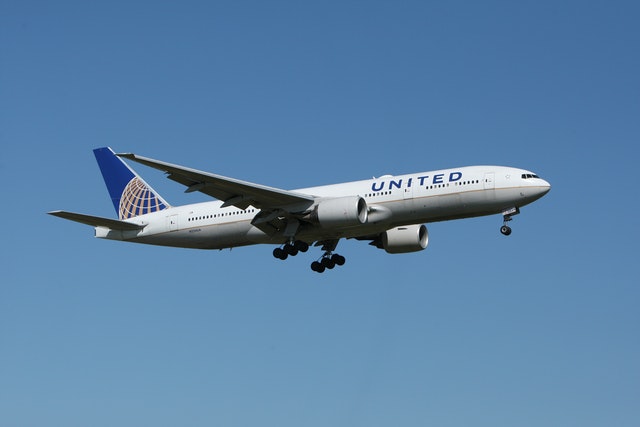
United has been leaning heavily into premium demand for several years, and its 2025 results showed why. The airline reported premium revenue up 11% for the full year, while revenue from basic economy also increased. That combination is exactly what encourages this kind of pricing architecture. It tells management that travelers are willing to buy both ends of the segmentation ladder: stripped-down entry fares and higher-priced bundled products.
The airline is effectively trying to create a wider premium funnel. Some passengers will buy in at the cheapest price because they care mostly about the seat. Others will still pay more for baggage, flexibility, upgrades, or lounge access. United gets more ways to sell the same cabin.
That is why this move matters beyond fares alone. It is part of the airline’s larger premium strategy, not just a booking-engine tweak.
The Route Scope Is Wider Than It First Looks
United says the rollout will begin in select markets this month, then expand later in 2026 across additional long-haul international flights, transcontinental U.S. routes, and longer Hawaii services.
That scope matters. Polaris is not confined to ultra-long-haul international flying anymore. United has been steadily broadening where its premium branding appears, including on newer premium-heavy aircraft and select domestic long-haul markets. Over time, the new fare structure is expected to reach every United aircraft with a Polaris business-class cabin.
For aviation readers, that means this is not a niche experiment. It is a broad commercial policy shift that will affect a meaningful share of United’s most premium flying, including some routes where passengers may be especially sensitive to lounge access and bundled benefits.
A More Premium Airline Is Still Becoming More A La Carte
There is an irony in the timing.
United has spent heavily to make itself look more premium, with new Polaris suites, Polaris Studio, upgraded aircraft interiors, expanded Premium Plus capacity, and a broader emphasis on premium seating across the fleet. At the same time, it is making the cheapest version of those cabins less inclusive.
That is not contradictory from a revenue standpoint. In fact, it is exactly how modern airline merchandising often works. Build a stronger top-end product, then create more price points beneath it.
But it does change how travelers need to read a premium fare. In the past, booking Polaris or Premium Plus often carried an assumption that the major extras were already folded in. Going forward, that assumption becomes less reliable. The premium seat is still there. The premium bundle may not be.
Bottom Line
United’s new Base, Standard, and Flexible fare structure for Polaris and Premium Plus is a meaningful change in how premium travel is being sold in the U.S. market.
The airline is not weakening the seat itself. It is weakening the cheapest version of the bundle around it. That allows United to advertise a lower premium entry price while still charging more for the benefits many travelers actually value, especially lounge access, baggage, flexibility, and upgrade eligibility.
For airline professionals, this looks like a natural next step in segmentation. For passengers, it is a reminder that premium no longer automatically means all-inclusive.
Keep reading FlyMag
Get the Daily Brief in the morning or the Route Watch weekly recap on Fridays. Or both.