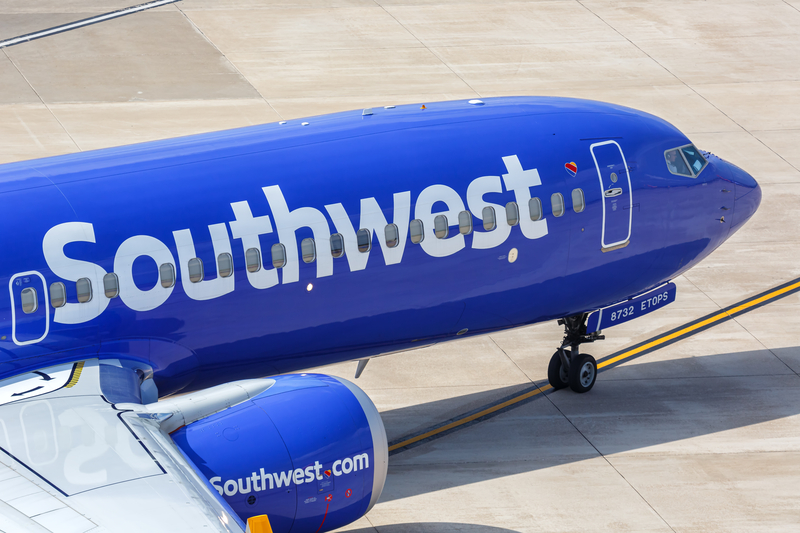
Southwest Airlines has launched its longest domestic flight ever, and it did so from the airport that already matters more to the airline than any other: Denver International Airport (DEN).

The new route to Ted Stevens Anchorage International Airport (ANC) began on May 15, 2026, operating daily with the Boeing 737 MAX 8. At a scheduled 5 hours and 35 minutes westbound, it now stands as the longest domestic sector in Southwest’s network.
That may sound like a niche record, but it actually says something bigger about the airline. Southwest is no longer just a short-haul domestic operator stretching a little around the edges. It is steadily turning Denver into a platform from which it can push farther, operate longer, and enter markets that once would have felt well outside its traditional comfort zone.
Read our stories in your inbox
Two aviation newsletters. Zero fluff.
Denver Is Still Southwest’s Most Important Airport
The choice of Denver matters almost as much as the route itself.
Southwest already operates more flights from Denver than from any other airport in its system. It is the carrier’s busiest airport by departures and seat count, which means the new Anchorage service is not being added from the margins of the network. It is being launched from the very center of it.
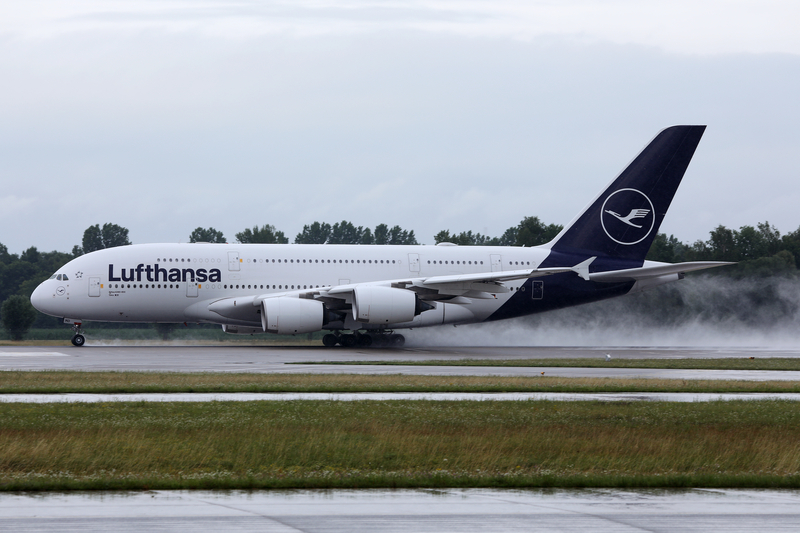
That gives the route much more strategic value. Denver is one of the few places in Southwest’s system with enough local demand, enough connecting feed, and enough operational scale to support a service like Anchorage cleanly.
Anchorage Is More Than Just Another New Dot
The Anchorage launch also matters because it gives Southwest its first-ever service to Alaska.
That is a genuine milestone for the airline. For decades, Alaska sat outside Southwest’s map, both geographically and symbolically. It was one of the last major U.S. state markets the carrier had not touched. Entering Anchorage changes that immediately and gives the airline a presence in the 49th state through a city that serves as both Alaska’s busiest airport and its main aviation gateway.
This is not a huge network expansion in raw numbers. But in terms of what it says about Southwest’s reach, it is meaningful.
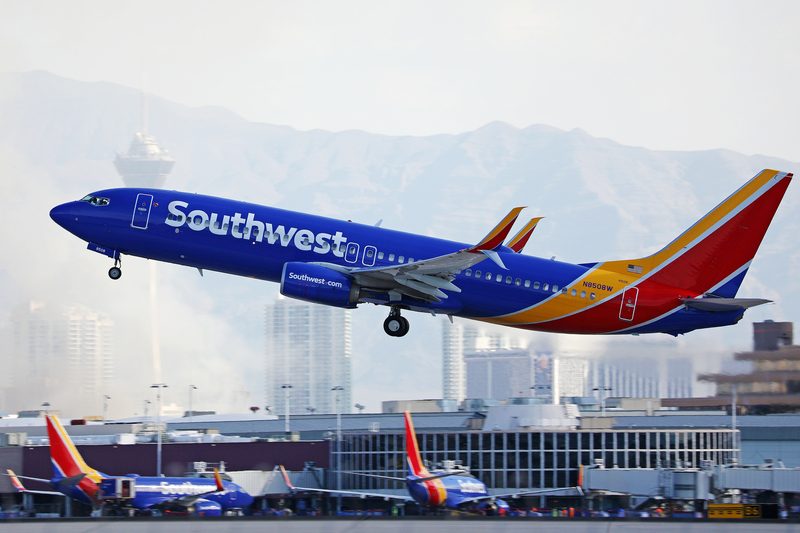
The Route Is Long By Southwest Standards — And Still Seasonal
The service between Denver and Anchorage is now Southwest’s longest domestic route, but it is still being handled in a very controlled way.
The flight operates daily and is planned as a seasonal service, running through the summer period. That makes sense. Alaska is a strong summer market, and the route can benefit from both local leisure demand and connecting passengers without requiring a year-round commitment from day one.
This is a smart way to test the market. Southwest gets to make a strategic move into Alaska while keeping the risk relatively disciplined.
The MAX 8 Makes This Possible
The aircraft choice is not incidental.
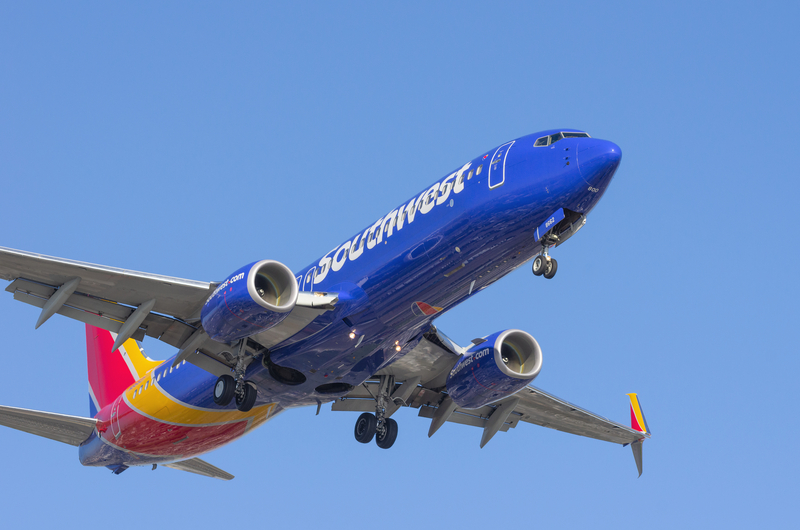
Southwest is using the Boeing 737 MAX 8, which is currently the airline’s most capable workhorse for this kind of mission. The MAX 8 gives the airline the range and efficiency to operate a long route like Denver–Anchorage while keeping fleet complexity low. That matters because Southwest does not have the kind of mixed-fleet flexibility legacy carriers do. Any new mission has to fit the 737 model.
This one does, and that is exactly why the route is possible now.
The Schedule Is Designed Around Network Utility
The timings are also worth noting.
The westbound flight leaves Denver in the late afternoon and arrives in Anchorage in the evening, while the return operates overnight and gets back to Denver in the early morning. That structure is not just about local traffic. It is about making the route useful within the broader Southwest network.
Denver is one of the carrier’s biggest connecting hubs, so this is not simply a point-to-point Alaska flight. It is also a way of linking Anchorage into a much larger domestic system.
That makes the route more valuable than the city pair alone might suggest.
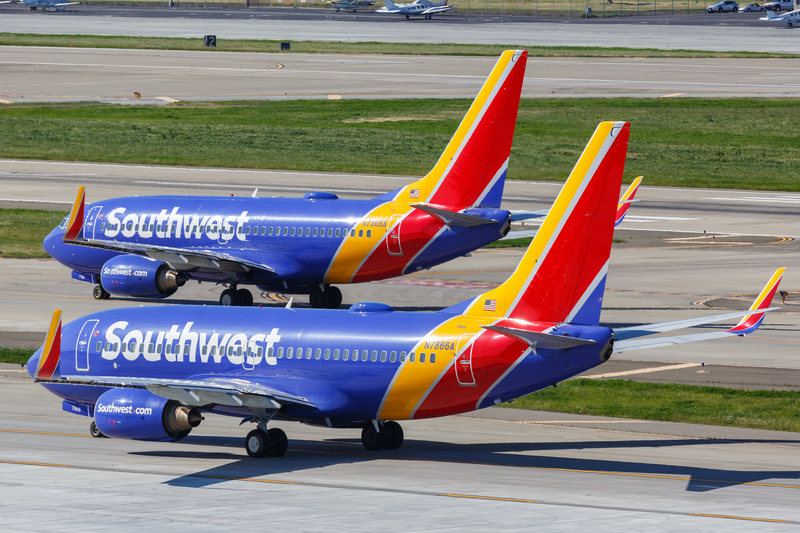
Southwest’s Longest Route Is Still Not Its Longest Overall
One nuance matters here: Denver–Anchorage is Southwest’s longest domestic route, but not its longest route overall.
That distinction belongs to one of the airline’s international services, most notably Denver–San José, Costa Rica, which is slightly longer. That is important because it highlights how much Southwest’s network has evolved. Even if the carrier still looks overwhelmingly domestic, its route map now includes sectors long enough that the traditional image of Southwest as only a short-haul operator is no longer especially accurate.
Anchorage reinforces that trend.
Las Vegas Also Gets Anchorage, But Denver Is The More Important Story
Southwest also launched Las Vegas–Anchorage at the same time, and that route is significant in its own right.
But Denver is the more revealing case. Las Vegas is a major leisure market and a natural fit for Alaska traffic. Denver, by contrast, says more about hub strategy, aircraft economics, and network evolution. Making Denver–Anchorage the airline’s longest domestic route is not just about adding one more destination. It is about showing how much further Southwest now thinks DEN can stretch.
That is why this route matters even if the headline sounds modest.
Bottom Line
Southwest’s new Denver–Anchorage flight is a small network change with bigger strategic meaning. It gives the airline its first real foothold in Alaska, creates its longest domestic route ever, and reinforces Denver’s role as the most important airport in Southwest’s system.
This is not a radical transformation on its own. But it is another clear sign that Southwest’s network is becoming longer, broader, and more ambitious than the airline’s traditional image still suggests.
Keep reading FlyMag
Get the Daily Brief in the morning or the Route Watch weekly recap on Fridays. Or both.