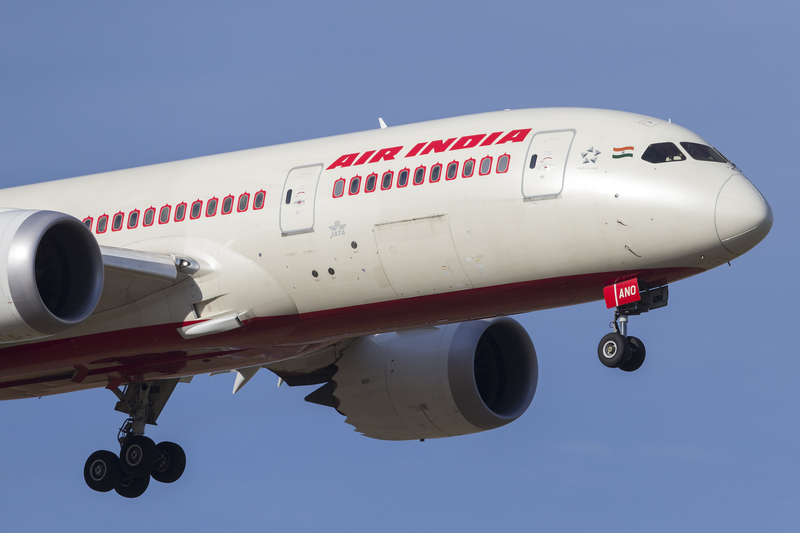
Air India is weighing some of its most aggressive cost-cutting measures yet as higher fuel prices, longer routings, and weak operating conditions deepen pressure on the airline’s finances.

According to recent reporting, the carrier is considering furloughs for non-technical employees, lower bonuses, executive pay cuts, and a reduction in flying of more than 20% between May and July 2026. The measures were reportedly discussed by the board on May 7 and could be implemented if conditions fail to improve.
For aviation readers, that matters because this is no longer just another restructuring story. It suggests Air India’s management is moving from long-term turnaround planning into short-term defensive action.
Read our stories in your inbox
Two aviation newsletters. Zero fluff.
The Airline’s Losses Are Now Too Large To Ignore
The scale of the financial pressure is severe.
Air India is reported to have posted a record annual loss of more than INR220 billion for the financial year ended March 31, 2026. For an airline already trying to modernize, integrate, and rebuild under new ownership, that level of loss significantly narrows strategic flexibility.
At this point, the question is no longer whether the turnaround is difficult. It is how much more pain management believes the airline can absorb before it has to shrink more aggressively.
Fuel And Airspace Are Hitting At The Same Time
What makes the current situation especially damaging is that Air India is being squeezed by multiple external pressures at once.
The airline is dealing with:
- sharply higher fuel prices linked to the Iran war
- longer routings caused by restrictions in Iranian airspace
- the continued closure of Pakistani airspace to Indian carriers
- softer demand in parts of the market
- a weaker rupee, which raises dollar-linked costs
Any one of those would hurt. Together, they create exactly the kind of operating environment that makes a long-haul network airline much more vulnerable.
For Air India, the route issue is especially important. Flights to Europe and North America are now more expensive to operate because the most efficient airspace options are constrained. That means the airline is paying more to carry the same passengers, often with weaker profitability.
Capacity Cuts Could Be Deep
The reported reduction in flying is not minor.
Bloomberg’s reporting suggests Air India could cut flying by more than 20% from May through July, and that capacity reductions of up to 30% during the summer season are under consideration if conditions deteriorate further.
That is significant because it points to more than route tinkering. A cut on that scale affects aircraft utilization, staffing, schedules, and customer confidence. It also suggests management believes the fastest way to protect cash may be to fly less rather than keep marginal routes operating at a loss.

Furloughs Would Mark A More Serious Phase
Perhaps the most telling part of the discussion is the inclusion of employee furloughs.
Airlines do not usually furlough staff lightly, especially during a long-term rebuilding phase. If management is genuinely considering furloughs for non-technical employees, it means the pressure is no longer being viewed as something that can be absorbed through back-office trimming alone.
This would mark a more serious stage of cost containment, one where the company is aligning labor directly to a weaker operating outlook rather than just hoping conditions recover quickly.
The Airline Is Still Dealing With Earlier Damage
The current crisis also lands on top of older problems.
Air India had already been under pressure after the fallout from a fatal crash and the 2025 India–Pakistan border flare-up, both of which damaged recovery momentum. That matters because the airline is not being hit from a position of strength. It is being hit while still trying to digest earlier operational and reputational setbacks.
That is one reason the board discussions now sound so severe. The latest fuel and airspace problems are not arriving in a stable environment. They are compounding one that was already fragile.
The Ethics Crackdown Is Separate — But Tells Its Own Story
Separately, Air India’s leadership has also disclosed that more than 1,000 employees have been terminated since 2023 over ethics-related breaches.
These reportedly include:
- misuse of staff travel benefits
- smuggling goods off aircraft
- allowing excess baggage without collecting fees
That is a separate issue from the current cost-cutting debate, but it still matters because it speaks to the broader condition of the airline. A carrier trying to rebuild financially while also cleaning up internal discipline is under pressure on multiple fronts at once.
This Is Now A Cash Preservation Story
The biggest takeaway is that Air India’s management appears to be shifting from growth-and-rebuild language toward cash preservation.
That does not mean the long-term turnaround is abandoned. But it does mean the airline may need to sacrifice near-term flying, compensation, and staffing stability in order to keep the wider restructuring viable. For an airline of Air India’s scale and national importance, that is a meaningful shift in tone.
Bottom Line
Air India is reportedly considering furloughs, executive pay cuts, reduced bonuses, and a sharp reduction in flying as worsening fuel prices and airspace restrictions intensify its financial losses. With a record annual loss already on the books and multiple external shocks hitting at once, the airline appears to be preparing for a much more defensive phase of its turnaround.
The most important point is that these measures have been discussed, not necessarily fully implemented yet. But the fact that they are now on the table shows how serious the pressure has become.
Keep reading FlyMag
Get the Daily Brief in the morning or the Route Watch weekly recap on Fridays. Or both.