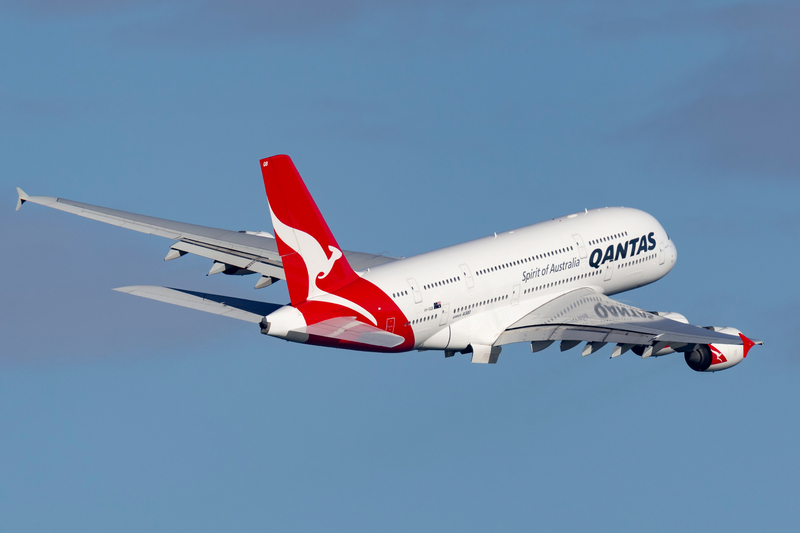
Qantas is increasing flights to Europe for the northern summer, but the more important story is not simply added capacity. It is how that capacity is being redirected.

The airline is boosting Perth Airport (PER)–Rome Fiumicino Airport (FCO) to daily service and increasing Sydney Kingsford Smith Airport (SYD)–Paris Charles de Gaulle Airport (CDG) from three to five flights per week. At the same time, Paris service will now operate via Singapore Changi Airport (SIN) rather than nonstop from Perth, and Perth–Singapore rises to 10 weekly flights to support onward connections.
That combination says a great deal about what is happening in long-haul aviation right now. Qantas is not just adding flights. It is redrawing how Australians reach Europe as conflict in the Middle East makes traditional Gulf routings less attractive and less reliable.
Read our stories in your inbox
Two aviation newsletters. Zero fluff.
Rome Gains, Paris Changes Shape
The two most significant changes are on Italy and France.
Perth (PER)–Rome (FCO) moving to daily service is a clear vote of confidence in one of Qantas’ more successful European links. It also reinforces the role of Perth as the western gateway in the airline’s long-haul strategy. The route is geographically logical, commercially strong, and easier to support than many longer or more complex Europe options.
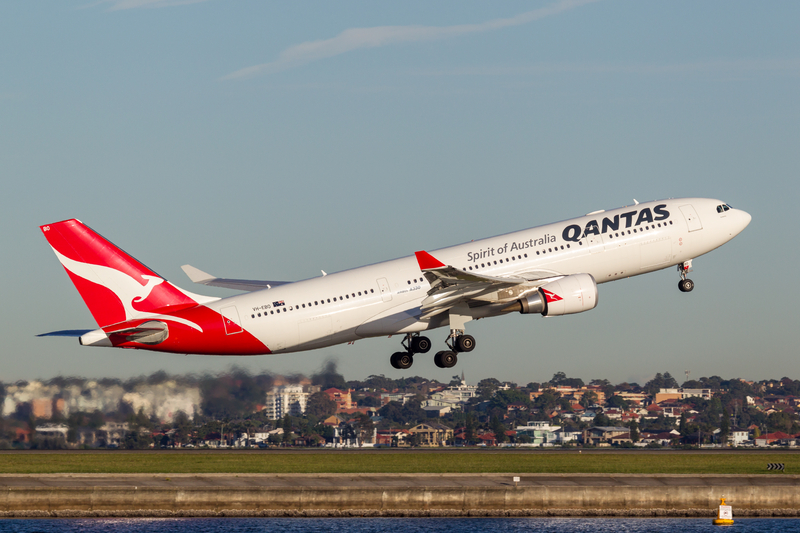
Paris is more revealing.
Qantas is no longer planning to fly Perth (PER)–Paris (CDG) nonstop. Instead, it is expanding Sydney (SYD)–Singapore (SIN)–Paris to five weekly services. That is not just a schedule adjustment. It is a structural change in how the airline wants to serve France. Routing via Singapore creates more flexibility, aligns better with available aircraft, and gives Qantas a stronger one-stop proposition at a time when Gulf hub transits have become much more uncertain.
Singapore Is Becoming More Important Again
One of the clearest read-throughs from the changes is the rising importance of Singapore (SIN) in Qantas’ European network.
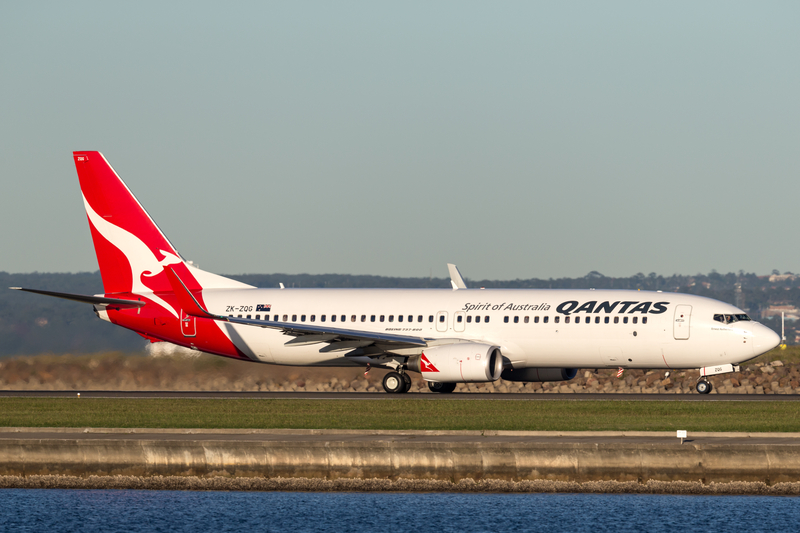
The boost from Perth (PER) to Singapore (SIN) from seven to 10 weekly flights is not just about local Singapore demand. It is about creating more feed into the Europe operation. As Qantas leans harder into routes that avoid or reduce reliance on Gulf hubs, Singapore becomes a much more valuable transfer point.
That matters because the classic kangaroo-route logic is shifting again. For years, Gulf carriers and Gulf hubs dominated Australia–Europe flows. The current conflict is not eliminating that model, but it is making alternatives look much more attractive, especially for travelers and airlines seeking greater operational certainty.
This Is Also An Aircraft Story
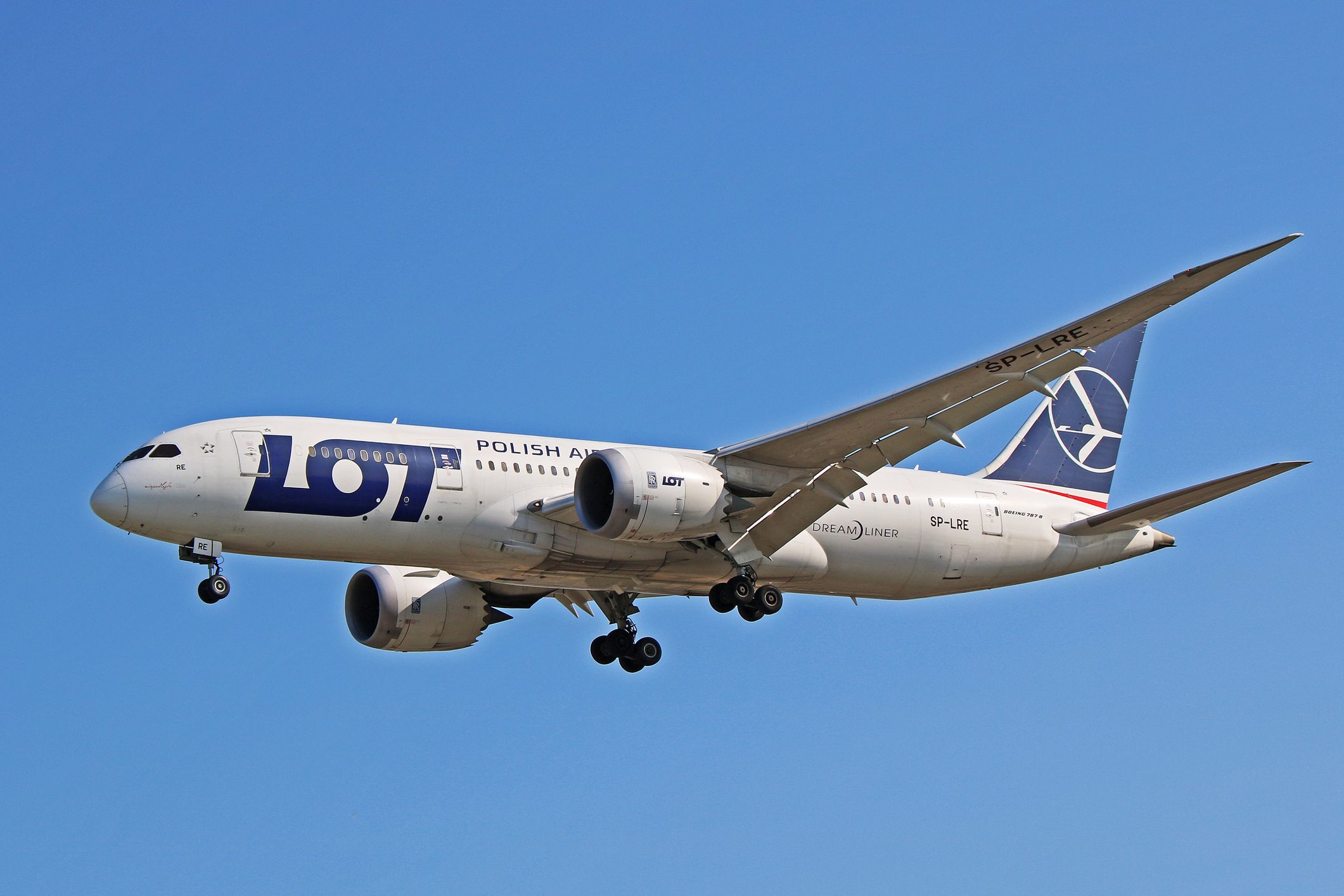
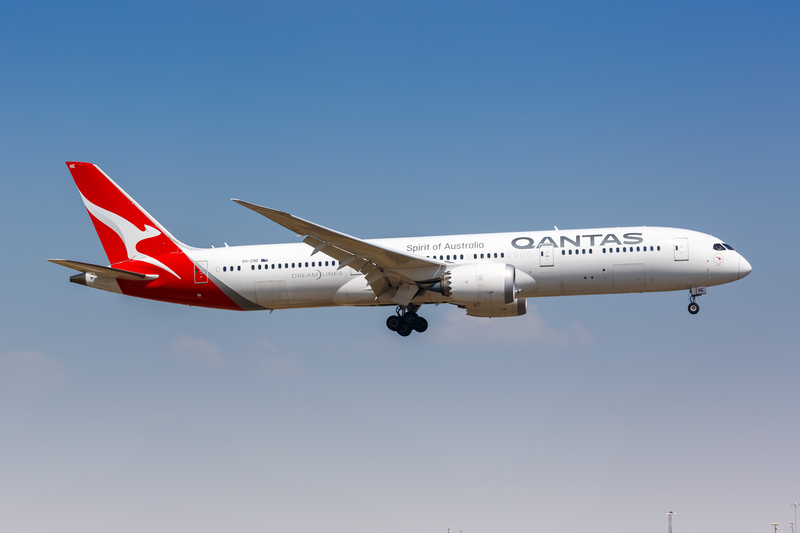
Qantas is supporting the Europe expansion by redeploying Boeing 787 Dreamliners away from some U.S. services and shifting Airbus A330 aircraft from domestic flying into international operations.
That is one of the most important details in the whole announcement.
It shows the airline is not simply adding capacity from nowhere. It is making a deliberate tradeoff, moving aircraft into the parts of the network where it sees the strongest strategic and commercial need. Right now, that means Europe.
The implication is clear: in the current environment, Europe is winning the internal competition for scarce long-haul aircraft.
Why The Middle East Changes Matter So Much
The wider backdrop here is the collapse in reliability of some traditional Europe–Australia routings.
With Dubai International Airport (DXB), Hamad International Airport (DOH), and Zayed International Airport (AUH) all operating under varying levels of disruption or caution, airlines and passengers alike are having to think differently about how Europe is served. Airspace closures and route deviations through narrower corridors are complicating long-haul planning, increasing fuel burn, and reducing flexibility.
That is why Qantas’ adjustments matter beyond its own network. They are part of a broader shift in the global system, where airlines are repositioning around risk rather than just around demand.
More Seats Will Not Mean Cheaper Fares
Even with the added Qantas capacity, airfares are unlikely to soften much.
That is because the overall Europe–Australia market remains tighter than normal. Analysts estimate a significant amount of capacity has been removed from the system, and the seats that remain are being flown in a much more difficult operating environment. Fuel costs are also under pressure, which further undermines any chance that added flights alone will push fares down meaningfully.
In other words, Qantas is improving access, but not necessarily affordability.
Bottom Line
Qantas’ latest Europe changes are not just about adding flights. They are about reshaping the airline’s long-haul network around a more volatile operating map.
Daily Perth (PER)–Rome (FCO), a stronger Sydney (SYD)–Singapore (SIN)–Paris (CDG) schedule, and more Perth–Singapore flying all point in the same direction: Europe remains a high-priority market, and Singapore is becoming more important as a stable bridge while Gulf hub disruption continues.
For aviation readers, the main takeaway is straightforward. Qantas is not simply reacting to conflict. It is using the disruption to accelerate a different structure for its Europe network.