Southwest Airlines is adding or restoring six mainland-Hawaii routes between March 2026 and March 2027, concentrating five of them in California and building San Diego into a broader gateway for the islands.

Four of the routes are already operating: San Diego-Kahului, Ontario-Honolulu, Burbank-Honolulu and Las Vegas-Hilo. Weekend flights from San Diego to Kona and Lihue are scheduled to follow in March 2027.
The additions do not all represent new city pairs. San Diego-Kahului is a resumption, while Southwest previously served Kona and Lihue from San Diego before withdrawing both links. The program nevertheless gives the airline six additional or returning nonstop options compared with its network before the first relaunch in March.
Read our stories in your inbox
Two aviation newsletters. Zero fluff.
Six Routes Roll Out Over 12 Months
The sequence began March 5, 2026, when Southwest restored flights between San Diego (SAN) and Kahului (OGG). Maui returned alongside several other resumed destinations from SAN as Southwest expanded at the airport following the opening of its replacement Terminal 1 facilities.
The remaining five routes are:
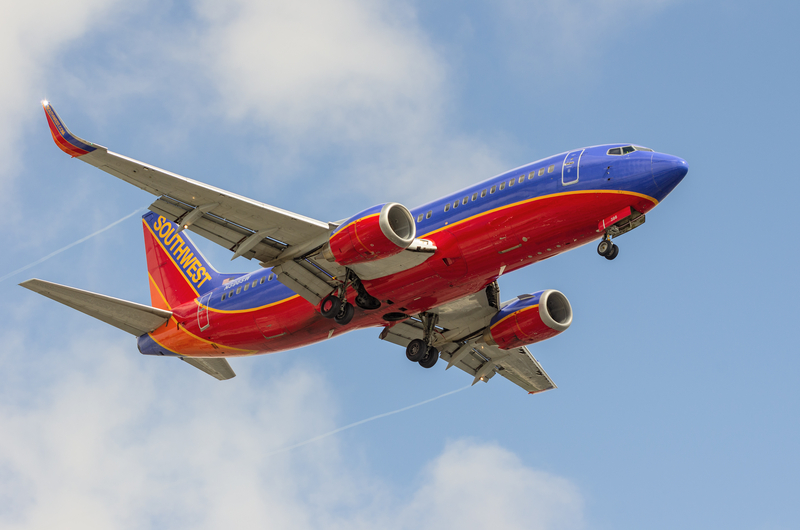
- Ontario (ONT)-Honolulu (HNL): Daily service began June 4, 2026. The airport announced the route with a morning departure from Ontario and an evening return from Honolulu. It gives Southwest a sixth Southern California-area departure point for Hawaii without requiring Inland Empire passengers to use a coastal airport.
- Burbank (BUR)-Honolulu (HNL): Peak-day flights began August 4, 2026. Southwest disclosed the route alongside the Ontario service in a broader California schedule expansion. By March 2027, BUR-HNL is scheduled five days per week, operating every day except Tuesday and Wednesday.
- Las Vegas (LAS)-Hilo (ITO): Service began August 6, 2026, operating Mondays, Thursdays and Fridays. Southwest’s published schedule has the westbound flight leaving Las Vegas at 9:30 a.m. and arriving in Hilo at 12:35 p.m. The return leaves at 8:45 p.m. and reaches Nevada the following morning.
- San Diego (SAN)-Kona (KOA): Weekend-only flights are scheduled to return in March 2027.
- San Diego (SAN)-Lihue (LIH): Weekend-only service is also scheduled for March 2027, reconnecting San Diego with Kauai.
Southwest confirmed the two 2027 routes when it opened its schedule through early April. The airline’s spring schedule announcement also increases both Ontario-Honolulu and Burbank-Honolulu to five weekly flights and adds a 2:45 a.m. Las Vegas-Honolulu departure, described by the carrier as its first reverse redeye.
San Diego Regains a Four-Island Network
The Kona and Lihue additions will give Southwest nonstop service from San Diego to four principal Hawaiian airports: Honolulu, Kahului, Kona and Lihue. That restores much of the island coverage the airline established at SAN during its first major Hawaii expansion.
Southwest first launched San Diego-Kona and San Diego-Lihue in June 2021. Those routes were initially divided across different days of the week before receiving more frequency later in the schedule. Both had disappeared by 2023, leaving Honolulu as Southwest’s principal Hawaii link from San Diego until the Maui service returned in March 2026.
The 2027 version is more conservative. Weekend-only flying targets peak leisure demand without committing an aircraft to daily operation throughout the week. It also allows Southwest to sell nonstop seats to three neighbor-island destinations while retaining Honolulu as the connecting point for the remainder of its interisland network.
San Diego is the common thread in half of the six routes. Southwest has expanded the station well beyond Hawaii, including new or restored service to Boston, Santa Rosa, Santa Barbara and several Pacific Northwest markets during 2026. The Hawaii additions extend that growth into some of the longest sectors in the SAN schedule.
The 737 MAX 8 Carries the Expansion
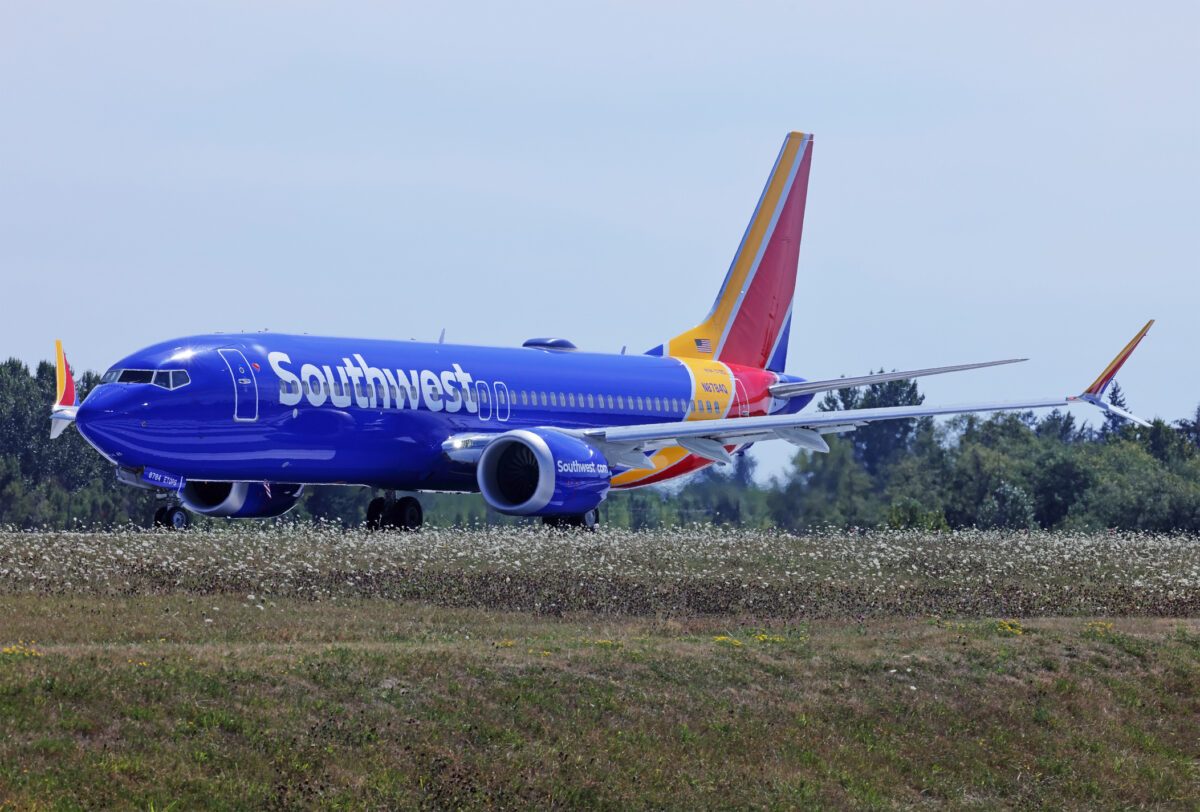
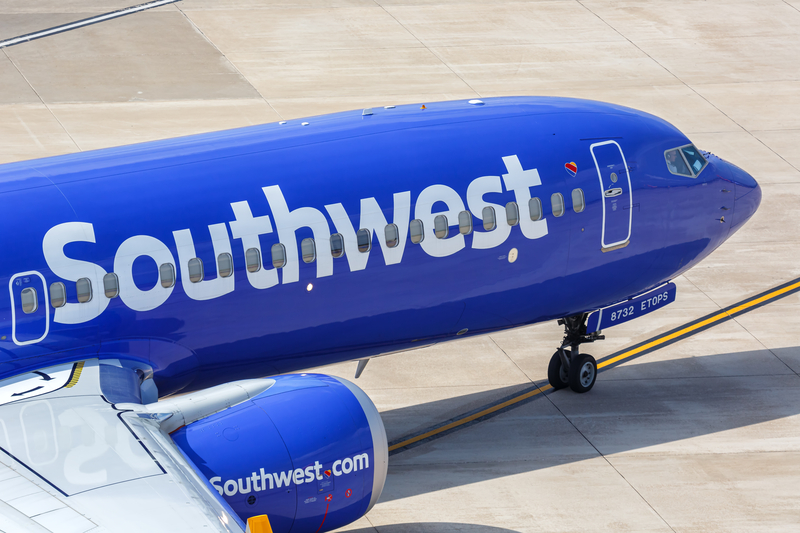
Ontario airport said Southwest is operating its Honolulu service with the Boeing 737 MAX 8. The aircraft has 175 seats in the airline’s current layout, including Standard, Preferred and Extra Legroom sections following Southwest’s move to assigned seating in January 2026.
The MAX 8’s capacity and transpacific range make it the natural platform for routes from secondary California airports where a widebody would be excessive. Southwest can place 175 seats into markets such as Ontario and Burbank while retaining fleet commonality with the aircraft used across its domestic network.
The airline’s June 2026 fleet filing listed 323 Boeing 737-8s and 192 737-800s, both configured with 175 seats. Together, those larger variants represented nearly two-thirds of Southwest’s 803-aircraft fleet and provide the bulk of its practical Hawaii-capable capacity.
Southwest’s Hawaii growth is therefore being built around route selection rather than a different fleet strategy. The airline can rotate aircraft between mainland flying and overwater sectors while using its interisland schedule at Honolulu to widen the catchment of routes that terminate on Oahu.
Bottom Line
The six-route program is less a return to unchecked Hawaii growth than a selective rebuilding of Southwest’s strongest opportunities. Ontario and Burbank extend the airline’s reach across the Los Angeles basin, while Hilo gives Las Vegas a route shaped by the substantial travel ties between Nevada and Hawaii. San Diego receives the deepest island coverage, but two of its four Hawaii destinations will initially operate only on weekends.
That pattern reduces exposure during weaker midweek periods while preserving nonstop relevance in a market where Alaska Airlines and Hawaiian Airlines offer extensive West Coast coverage. Southwest gains additional ways to feed Hawaii from its California and Las Vegas networks without relying exclusively on Honolulu, although HNL remains central to the carrier’s interisland connectivity.
The next test will be whether the weekend Kona and Lihue flights support longer seasonal runs or additional frequencies after spring 2027. Performance at Ontario and Burbank will also show whether Southwest can sustain Hawaii service from multiple airports within the same Southern California catchment, rather than concentrating capacity at Los Angeles or San Diego.
Keep reading FlyMag
Get the Daily Brief in the morning or the Route Watch weekly recap on Fridays. Or both.