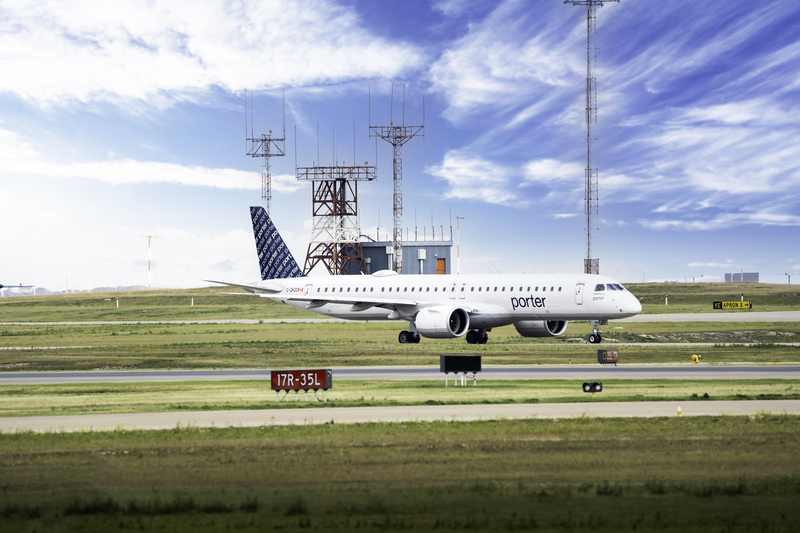
Porter Airlines (PD) is preparing to close its crew bases in Halifax (YHZ) and Thunder Bay (YQT) effective May 7, 2026, a consolidation move the carrier says will make it “the most effective way to organise crew and operate flights.” The change impacts around 60 employees, who have been offered transfers to Porter’s bases at Ottawa (YOW) or Toronto Billy Bishop (YTZ).

It’s an important distinction for network watchers: closing a crew base is not the same as pulling out of an airport. Porter remains a meaningful operator at both Halifax Stanfield (YHZ) and Thunder Bay International (YQT), and the airline has indicated the decision is about crew organization rather than a route shutdown.
Why airlines close crew bases even in strong markets
Crew bases exist to reduce friction: they minimize deadheading, hotel nights, and reserve-coverage gaps while keeping pairings efficient. But as route structures evolve—especially with more “out-and-back” flying centered on a few hubs—bases at outstations can become structurally inefficient.
Read our stories in your inbox
Two aviation newsletters. Zero fluff.
This is typically where the math turns:
-
Schedule shape changes: If the timetable can be rebuilt so crews can originate and terminate at YOW or YTZ with fewer forced overnights at YHZ or YQT, the airline can shrink support infrastructure without necessarily shrinking flying.
-
Reserve optimization: Concentrating reserves in fewer locations improves coverage and reduces the number of “just-in-case” staffing positions required at each base.
-
Training and standardization: Consolidating crew resources at major bases simplifies recurrent training, qualification management, and day-of-ops staffing decisions—especially during irregular operations.
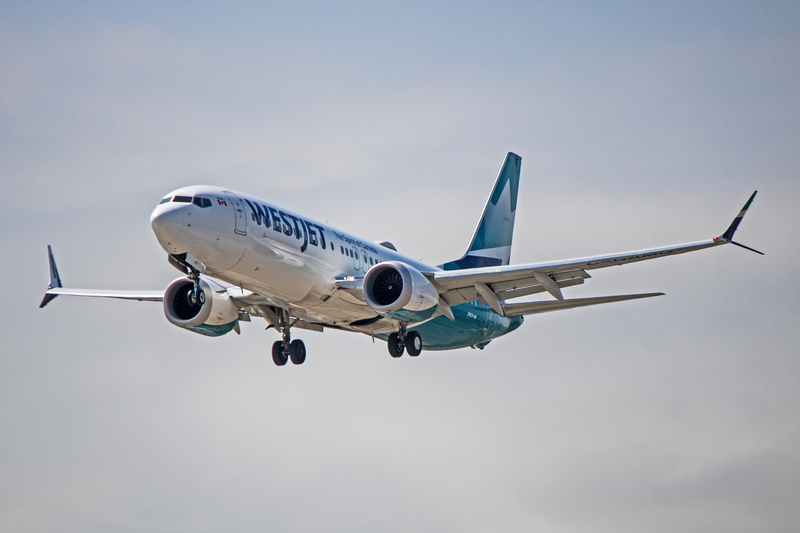
Porter’s public framing leans into this operational logic: consolidation is about running a tighter crew system, not about abandoning airports.
Halifax (YHZ): big share, different role
By capacity, Porter is currently cited as the second-largest carrier at Halifax (YHZ), behind Air Canada, with about 20.5% share. For an airport of YHZ’s scale, that’s substantial—yet it also underscores a reality that often surprises passengers: market share doesn’t automatically justify a base.
Halifax (YHZ) can function as a high-volume station while still being served efficiently by crews originating from elsewhere, especially if flights are scheduled to turn back to base-friendly hubs like Ottawa (YOW) and Toronto Billy Bishop (YTZ) at workable duty times. The operation can remain robust even if “base status” goes away—provided the timetable is built to avoid expensive overnight patterns and excessive positioning.
Thunder Bay (YQT): maintaining presence without the base
Thunder Bay (YQT) is cited as an even stronger outpost for Porter by local capacity share—about 41.3%, making Porter the largest operator there. Closing the crew base at YQT while keeping flying intact is the kind of move that usually signals one of two things:
-
The schedule can be reshaped into more day-return patterns that are easier to cover from a core base, or
-
The airline is willing to accept some incremental positioning costs because eliminating base infrastructure and complexity still wins overall.
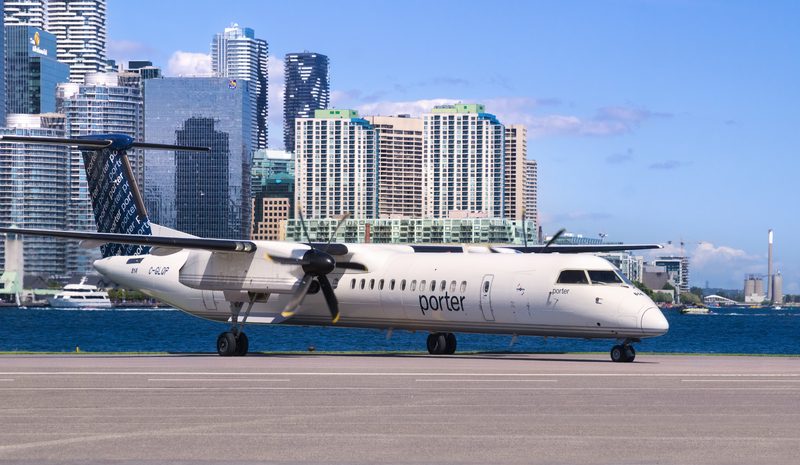
Porter also notes that the change does not affect its minor maintenance base at Thunder Bay (YQT). That matters operationally: keeping maintenance capability in place often supports early-morning reliability, reduces the need to ferry aircraft for small fixes, and can help protect dispatch performance on the first wave of departures.
Aircraft context: why Porter’s mixed fleet makes base strategy trickier
Porter operates two very different short-haul platforms:
-
De Havilland Canada Dash 8-400 (Q400) turboprops (Porter’s standard config is 78 seats)
-
Embraer E195-E2 jets (Porter’s E195-E2 is widely cited at 132 seats in a 2–2 layout with no middle seat)
Those fleet types drive different scheduling and crewing dynamics. The Q400 operation has long been tied to Toronto Billy Bishop (YTZ), where the airport’s operational environment naturally favors turboprops. Meanwhile, the E195-E2 network has expanded Porter’s reach and changed how the airline banks flights, especially through larger bases.
When an airline is balancing two fleets with different mission profiles, base strategy becomes a lever to keep the overall system coherent. Consolidating crews into YOW and YTZ can reduce fragmentation—particularly if the airline wants more consistent pairing construction and fewer one-off exceptions tied to outstations like YHZ and YQT.
The people impact: transfers, commutes, and tough choices
From the labor side, the immediate consequence is obvious: a base closure forces lifestyle decisions. The union representing Porter cabin crew has emphasized that affected employees may face long commutes, relocation, or alternate programs depending on personal circumstances. Porter has indicated that positions are available for impacted staff at YTZ or YOW, but the practical burden of moving—or commuting—can be significant when you’re talking about Halifax (YHZ) or Thunder Bay (YQT).
Bottom Line
Porter’s decision to close its crew bases at Halifax (YHZ) and Thunder Bay (YQT) by May 7, 2026 is a classic airline efficiency play: concentrate crewing in core bases—Ottawa (YOW) and Toronto Billy Bishop (YTZ)—to simplify pairings, reserves, and day-of-ops coverage.
What makes this move notable is that it targets two airports where Porter is far from marginal: a major player at YHZ and the largest operator at YQT by cited capacity share. The key detail is that base closures reshape how an airline operates—not necessarily where it flies. With Porter keeping its minor maintenance footprint in Thunder Bay (YQT), the more likely story here is operational consolidation, not a retreat from the markets.
Keep reading FlyMag
Get the Daily Brief in the morning or the Route Watch weekly recap on Fridays. Or both.