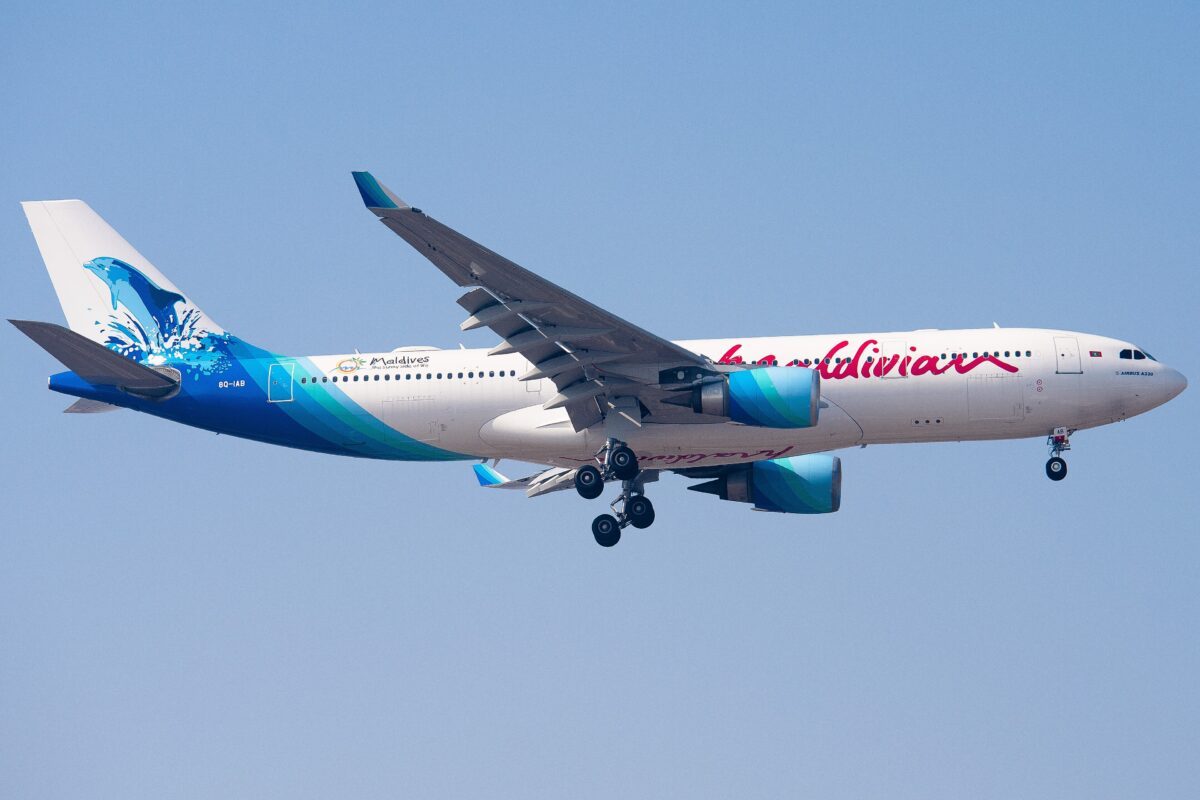
Maldivian is positioning itself to begin nonstop flights to Russia in 2027, tying the proposed service to the arrival of a second Airbus A330-200 and the Maldives’ wider campaign to increase direct access from one of its largest tourism markets.
The state-owned carrier has already completed an important regulatory step. In March 2026, the Maldives formally designated Maldivian to operate agreed routes between the two countries under their bilateral air services agreement, according to a notice published by Russia’s Federal Air Transport Agency.
Maldivian managing director Ibrahim Iyas subsequently identified Russia and South Korea as priority markets for the airline’s second widebody. He said the routes had been selected following feasibility work and international consultancy, with operations intended to follow the aircraft’s entry into service. The second widebody is expected in the Maldives before the end of 2026, placing the new routes in the airline’s 2027 development window.
Read our stories in your inbox
Two aviation newsletters. Zero fluff.
The Russia plan remains at the development stage rather than the published-schedule stage. Maldivian has not yet opened reservations or identified a Russian airport, frequency or launch date.
Second A330 Is Central to the Plan
Maldivian currently has one Airbus A330-200, which joined the fleet at Malé Velana (MLE) in January 2025 and introduced widebody operations to the national carrier. The airline’s 264-seat configuration contains 18 business-class seats, 36 premium-economy seats and 210 economy seats.

That aircraft initially supported flights to Beijing, Shanghai and Chengdu, placing Maldivian directly into major inbound tourism markets rather than relying solely on foreign airlines and connecting hubs. The carrier later deployed the A330 on other scheduled and charter programs, including its Malé–Melbourne operation launched in May 2026.
Russia would suit the same inbound model. The market is heavily leisure-driven, produces substantial tour-operator business and has enough distance from the Maldives to favor a twin-aisle aircraft with meaningful baggage and belly-cargo capacity. The A330-200 also has ample performance for nonstop service: Airbus markets the type for routes of up to 7,250 nautical miles, well beyond the requirement for flights between Malé and western Russia.
Maldivian’s immediate constraint is fleet depth. A single long-haul aircraft must cover existing flying while allowing time for maintenance and schedule recovery. Adding Russia to that pattern without another widebody would expose the network to significant disruption whenever the A330 became unavailable.
Island Aviation Services, Maldivian’s parent company, has been pursuing another aircraft of the same variant. Its leasing tender sought one A330-200 on a five-year operating lease. The associated specification called for a two-class business-and-economy layout, a maximum takeoff weight of at least 230 tonnes and 120-minute ETOPS capability.
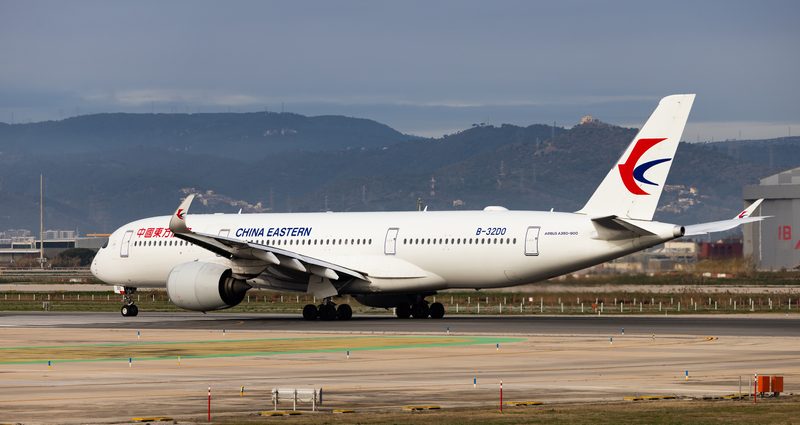
Iyas said in May that the company was working toward receiving the aircraft by year-end despite a tight market for suitable used widebodies. He linked its arrival directly to preparations for Russia and South Korea, describing both as priorities identified through the airline’s route studies.
Maldives Builds Aviation Links With Russia
The airline’s work is running alongside government-level negotiations. A Maldivian delegation including the Tourism and Civil Aviation Ministry, Maldivian, Maldives Airports Company Limited and Visit Maldives Corporation traveled to Moscow and St. Petersburg in August.
The five-day visit focused on tourism and air connectivity ahead of Visit Maldives Year 2027. Visit Maldives said Russia had generated 192,453 arrivals by August 12, representing 14.7% of the country’s total and ranking behind only one other source market. Russian arrivals reached 278,761 in 2025.
Russia’s Transport Ministry said passenger traffic between the countries was growing steadily following talks between Deputy Transport Minister Dmitry Zverev and Maldives Tourism and Civil Aviation Minister Mohamed Ameen. The ministry’s August 18 account of the meeting said Aeroflot was operating the regular Moscow Sheremetyevo (SVO)–Malé route and that other Russian carriers had also expressed interest in serving the Maldives.

Maldivian would add a home-country operator to a market currently led by Russian capacity. That distinction matters commercially: the airline can combine the long-haul sector with its domestic network, giving it a role beyond carrying passengers to MLE. Maldivian’s operation spans wheel-based domestic services and seaplane flying, creating the potential to sell itineraries through to islands beyond the main international gateway.
Direct control of long-haul capacity is also part of the government’s aviation policy. When the first A330 entered service, President Mohamed Muizzu said widebody expansion was intended to support direct access from major overseas markets. The President’s Office described a second widebody as the next stage of that program.
A Route Built Around Inbound Demand
Russia’s scale as a source market gives Maldivian a substantial local demand base before it considers connecting traffic. The proposed route would primarily be an inbound tourism service, with sales dependent on Russian tour operators, resort allocations and seasonal pricing.
The commercial question will be how Maldivian divides a two-aircraft A330 fleet among China, Australia, Russia and other planned markets. Long sectors consume aircraft time quickly, and leisure routes often require carefully timed rotations to match hotel packages and domestic transfers.
Russia could nevertheless become one of the clearest tests of Maldivian’s widebody strategy. The demand already exists, the carrier has received formal designation, and the government is treating connectivity as a central part of its 2027 tourism campaign. The remaining step is converting those preparations into an aircraft-backed schedule that the airline can operate reliably.
Bottom Line
Maldivian’s entry would give the Maldives more influence over capacity from a market that is already too important to leave entirely in the hands of foreign operators. A national-carrier service could also retain more revenue within the country by combining the international flight with domestic connections, ground handling and other Island Aviation activities.
The second A330 will determine whether that ambition becomes a durable network or a collection of limited seasonal programs. Russia, South Korea, Australia and China all offer credible inbound demand, but two widebodies leave little room for operational slack. The next indicators will be the identity and delivery date of the additional aircraft, Maldivian’s choice of Russian gateway and whether the carrier secures tour-operator commitments strong enough to support a repeatable schedule beyond the peak winter season.
Keep reading FlyMag
Get the Daily Brief in the morning or the Route Watch weekly recap on Fridays. Or both.