Lufthansa will open a nonstop route between Columbus (CMH) and Frankfurt (FRA) on May 5, 2027, giving Central Ohio its first scheduled passenger service to Europe.

The airline will fly the route three times weekly on Wednesdays, Fridays and Sundays. According to the Columbus Regional Airport Authority’s announcement, departures from CMH are scheduled for 4:20 p.m., arriving in Frankfurt at 6:15 a.m. the following morning. Tickets went on sale October 20, 2026.
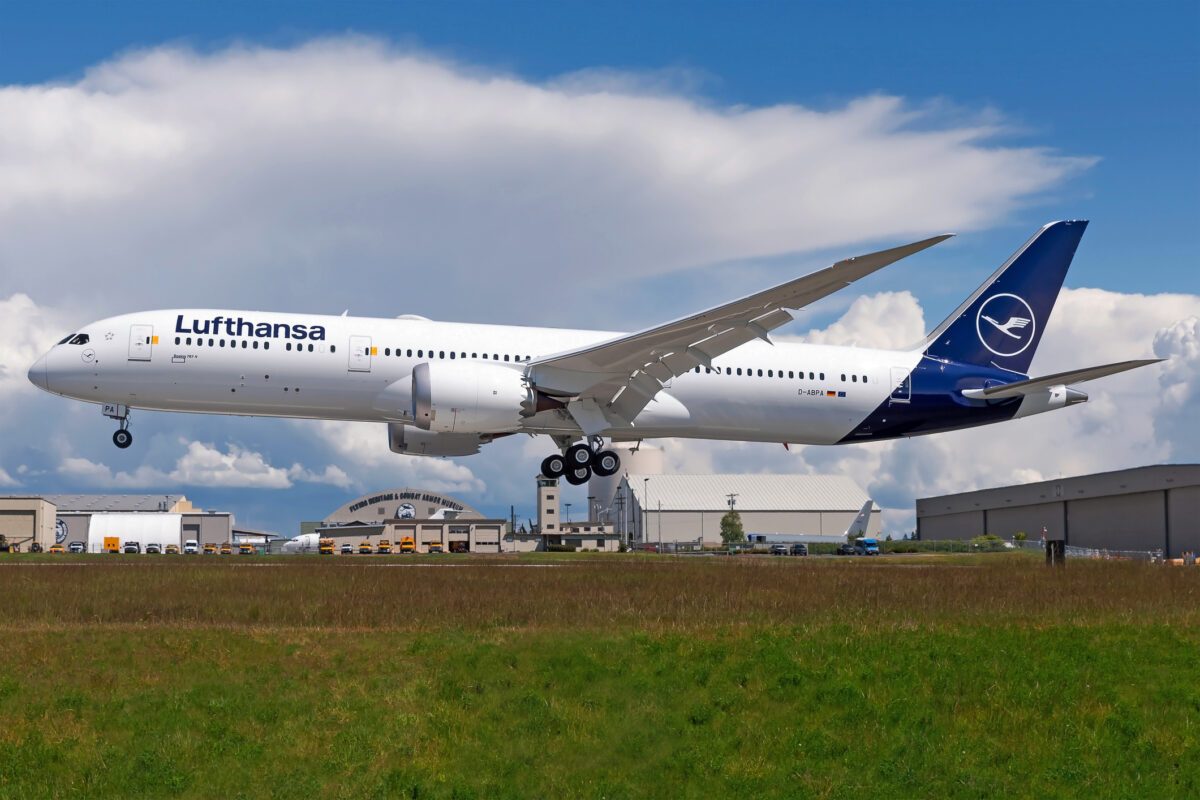
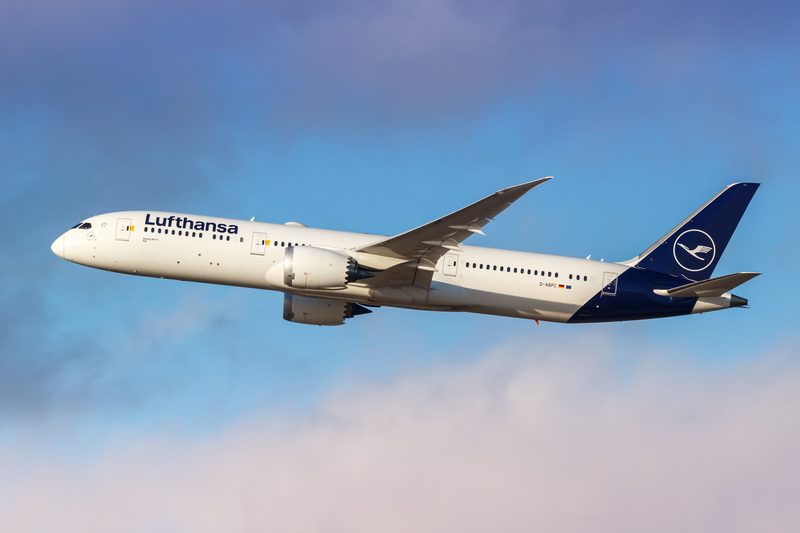
The roughly 4,236-mile route will be operated with a Boeing 787-9 carrying Lufthansa’s latest Allegris interior. Each flight will have 287 seats: 28 in business class, 28 in premium economy and 231 in economy.
Read our stories in your inbox
Two aviation newsletters. Zero fluff.
At three weekly rotations, Lufthansa will put 861 seats in each direction into the market every week. The schedule is substantially smaller than a daily operation, but it gives Lufthansa enough frequency to serve corporate and leisure demand while limiting its exposure in a new long-haul market.
Frankfurt Opens Lufthansa’s Wider Network to Columbus
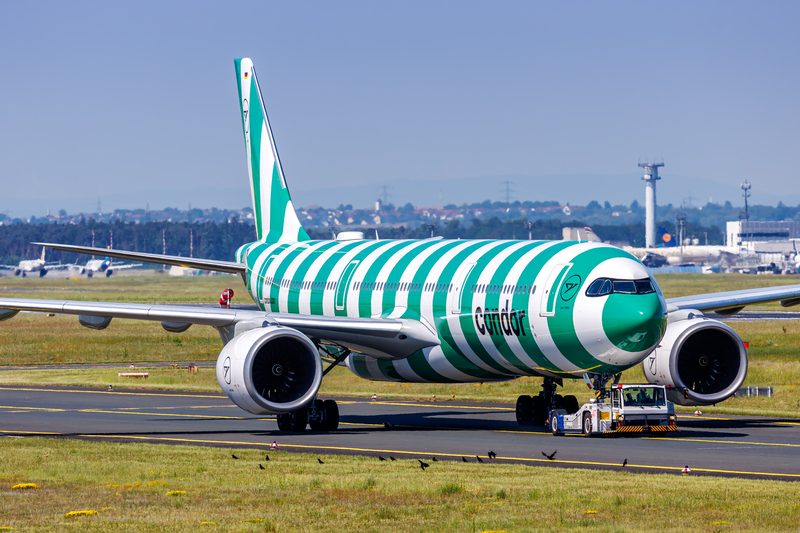
Frankfurt is more than a point-to-point link for the new service. Lufthansa and its partners use FRA as a connecting hub, allowing the Columbus flight to feed destinations across Europe, the Middle East, Africa and India.
The airport authority said more than 130 onward destinations will be available through Frankfurt. The early-morning arrival is designed to connect with Lufthansa’s morning departure banks, while the afternoon flight from Columbus avoids the need for a domestic connection at another U.S. gateway.
That network function is central to the route’s business case. The Columbus region has 38 German-based companies, while more than 750 German-owned business establishments operate across Ohio. German companies support about 41,000 jobs in the state, according to figures included in the JobsOhio route announcement.
Ohio businesses exported nearly $1.4 billion in goods to Germany during 2023. Bayer, which is developing a pharmaceutical manufacturing site in New Albany, specifically cited the value of easier travel between its Ohio operation and colleagues in Germany.
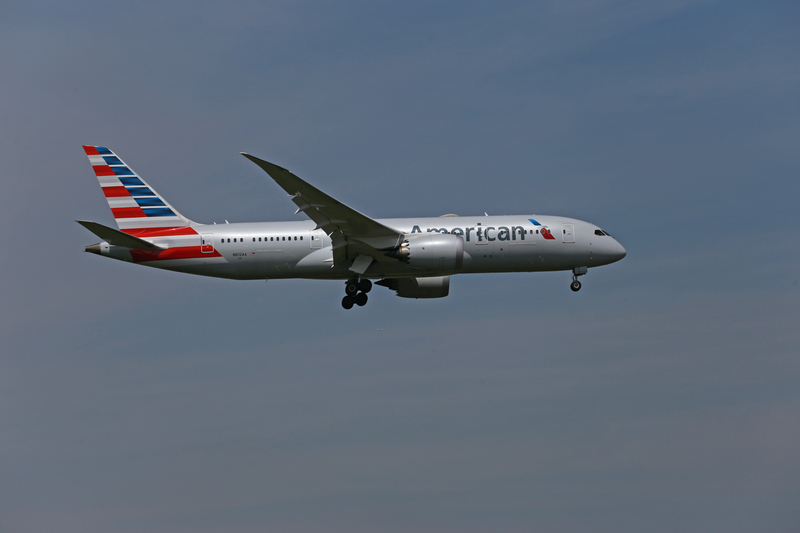
Lufthansa described the United States as its most important market outside the group’s home countries. Columbus adds another spoke to a Frankfurt network that already reaches a mixture of large U.S. gateways and thinner business markets where connecting traffic can support long-haul service.
A 287-Seat Allegris Dreamliner
The Boeing 787-9 is a significant part of the route announcement. Rather than launch Columbus with an older long-haul aircraft, Lufthansa plans to assign one of its newest widebodies and its current flagship cabin product.
The airline’s Allegris 787-9 seat map shows a three-class aircraft without first class. Business class occupies the forward cabin, followed by premium economy and a large economy section. The business cabin includes a mixture of classic seats, suites, privacy seats, extra-space seats and seats that convert into longer beds.
Lufthansa began flying Allegris-equipped 787-9s from Frankfurt in October 2025. The carrier said in a March 2026 fleet update that it planned to have 29 Boeing 787-9s by the end of 2027, making the type increasingly important to its Frankfurt long-haul operation.
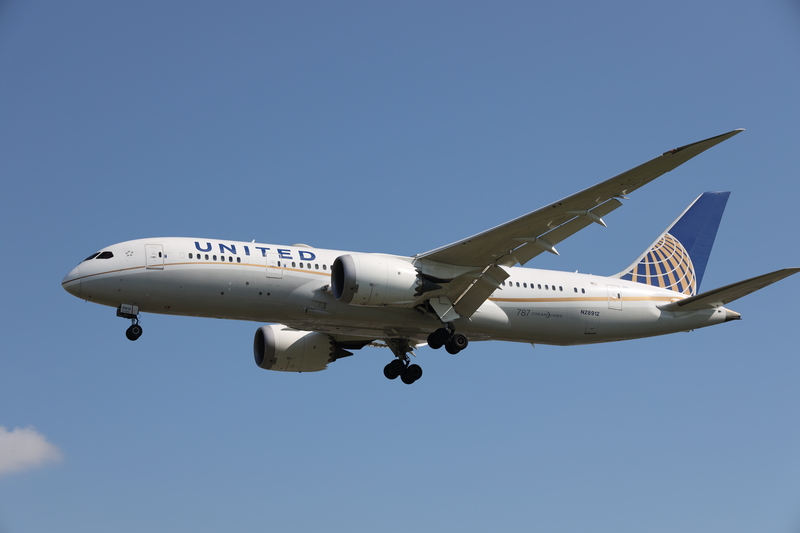
The 787-9 is considerably more capable than the Columbus mission requires. Boeing lists a maximum range of up to 8,300 nautical miles for the type, compared with a great-circle distance of about 3,680 nautical miles between CMH and FRA. That margin makes the aircraft well suited to the westbound sector during periods of stronger Atlantic headwinds while preserving cargo and passenger payload capability.
Its capacity is also appropriate for a three-times-weekly route from a city launching scheduled transatlantic service. The 28-seat business cabin gives Lufthansa a meaningful premium product for corporate accounts, while the 231 economy seats leave the airline dependent on leisure passengers and connecting traffic to fill most of the aircraft.
Revenue Support Reduces the Launch Risk
The Columbus route is being supported through JobsOhio’s Air Service Restoration program. Under the program, JobsOhio and regional partners share revenue guarantees intended to reduce an airline’s financial risk when it opens strategically important service.
A route-specific guarantee was not announced. JobsOhio said the wider program has committed $36.8 million in revenue guarantees since 2020, with another $10.1 million contributed by local partners. It credits the program with supporting 32 new routes and 15 expansions at five Ohio airports.
Revenue guarantees are particularly relevant to long-haul routes from midsize markets, where an airline must establish corporate contracts, build local awareness and change travelers’ existing connection habits. Columbus passengers bound for Europe currently distribute across several U.S. and Canadian gateways; Lufthansa’s task will be to draw enough of that traffic onto its own nonstop and Frankfurt connections.
The service also gives CMH a new role. The airport gained international status after a U.S. Customs facility opened in 1965, according to its official history, but its scheduled passenger network has remained concentrated in North America. Frankfurt moves Columbus into the transatlantic market with a full-size widebody rather than a narrowbody or leisure-oriented seasonal operation.
Bottom Line
Columbus gains most from the combination of a nonstop European sector and the breadth of Lufthansa’s Frankfurt connections. The route removes a domestic transfer for Central Ohio travelers and gives companies with German and wider European ties a product that can compete on schedule, premium seating and network reach. For Lufthansa, the limited initial frequency keeps capacity disciplined while placing its newest cabin in a market where the aircraft itself can help win corporate support.
The next test is whether Columbus can sustain the broad passenger mix required by a 287-seat aircraft. Business traffic may anchor the front cabins, but long-term performance will depend on economy demand, regional travelers choosing CMH over surrounding gateways and passengers connecting beyond Frankfurt. Strong early loads could support additional frequencies, while weak off-peak demand would expose the limits of a market entering scheduled transatlantic service for the first time.
The route also signals how Lufthansa can use its expanding Boeing 787-9 fleet. As more Allegris aircraft enter service, Frankfurt gains an efficient widebody sized for markets below the largest U.S. gateways. Columbus is therefore more than a local network addition: it is a test of whether Lufthansa can use the 787-9, targeted public support and hub connectivity to make thinner U.S. business markets work.
Keep reading FlyMag
Get the Daily Brief in the morning or the Route Watch weekly recap on Fridays. Or both.