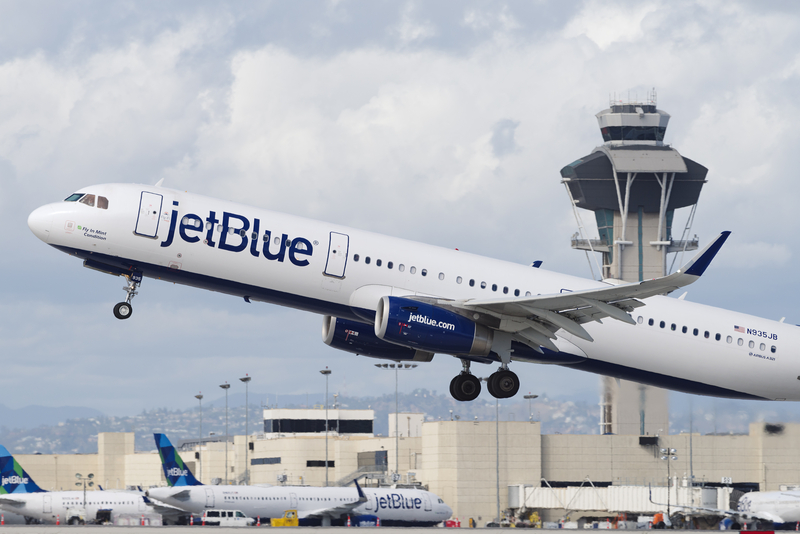
JetBlue is changing how passengers board, and while the airline is presenting the move as a cleaner, easier-to-follow gate process, many frequent flyers are reading something else into it: a quiet compression of priority.

Starting April 29, JetBlue will replace its lettered and branded boarding structure with numbered groups. On the surface, that is straightforward. Numbered groups are easier for casual travelers to understand than a mix of terms like Mosaic, EvenMore, and various fare-based categories. But the details matter, and that is where the tension begins.
For loyal customers, the concern is not really about whether the groups are numbered or lettered. It is about whether elite status will feel less exclusive once more customers are bundled into the early part of the boarding order.
Read our stories in your inbox
Two aviation newsletters. Zero fluff.
The New System Is Simpler To Read, But Not Necessarily More Exclusive
JetBlue is moving all flights to a numbered system, with Groups 1 through 8 replacing the older mix of Mosaic tiers, Group A, Group B, and so on. The airline says the goal is to make boarding more intuitive, more consistent, and easier to follow at the gate.
That part is credible. From a casual passenger’s perspective, numbered groups are usually easier to understand than airline-specific branding. Most travelers grasp “Group 3” immediately. They may not instinctively understand where they fit inside a branded hierarchy.
The problem is that simplification at the gate does not automatically feel like improvement to the airline’s most loyal flyers.
The Early Boarding Hierarchy Is Being Compressed
Under the new structure, Mosaic 3 and Mosaic 4 members will board in Group 1 alongside Mint customers. Mosaic 1 and Mosaic 2 members will board in Group 2 alongside EvenMore seat customers. Group 3 then includes JetBlue Premier Card cardmembers, JetBlue Business Card cardmembers, Blue Extra fares, and customers with Early Boarding Perks You Pick.
That is the detail driving much of the criticism.
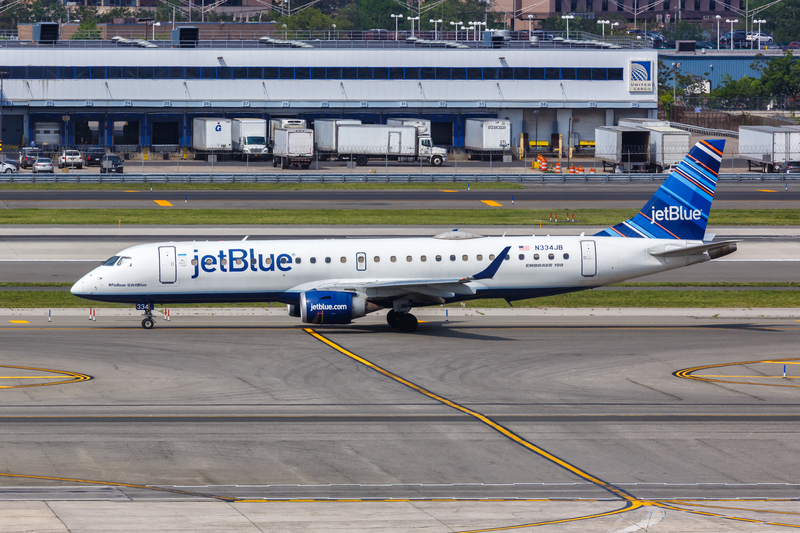
The issue is not that top-tier customers have been moved into later groups. They have not. The issue is that more different kinds of customers are now being grouped close together in the early sequence. For frequent flyers, that can feel like a dilution of the advantage, especially when hard-earned status begins to sit only one step ahead of paid add-ons and co-branded card perks.
That does not mean the benefit disappears. It means it feels less distinct.
Mint And Top-Tier Mosaic Still Board First
It is important to be precise here. JetBlue has not stripped premium customers of priority.
Mint customers and Mosaic 3 and 4 members still board at the front of the process. Mosaic 1 and 2 members also remain ahead of general boarding. EvenMore customers, who already had priority under the old structure, still board early.
So the criticism is not that JetBlue has eliminated early access. It is that the airline has reorganized it in a way that makes the premium hierarchy feel tighter and more crowded.
For many travelers, especially those who care about overhead bin space and avoiding gate congestion, that distinction matters a lot.
The Real Concern Is Gate Congestion
This is where the practical criticism becomes stronger.
When more customers qualify for early groups, the result can be larger clusters at the gate. That means longer lines, more crowding, and greater competition for overhead bin space even before the cabin reaches the middle of the boarding process.
Frequent flyers often judge boarding priority less by the official name of the group than by how many people are standing up with them. If Group 1 or Group 2 becomes large enough, the advantage can feel diminished even when it still exists on paper.
That is why some JetBlue customers are already calling this a devaluation. The fear is not symbolic. It is operational.
JetBlue Is Also Making Boarding Easier To Sell
This is the part many frequent flyers are reacting to most strongly, even if they do not phrase it that way.
A numbered system is not only simpler. It is easier to merchandise. Once boarding is structured in clean, recognizable tiers, it becomes much easier to attach that privilege to seat upgrades, premium fares, co-branded credit cards, and purchasable add-ons.
That gives JetBlue more flexibility.
The airline can preserve a premium layer for Mint and Mosaic while also creating attractive products just beneath it. From a revenue perspective, that is smart. Boarding priority is one of the easiest airline benefits to package and monetize because it has low direct cost and high customer visibility.
For loyal flyers, though, monetization often feels like dilution when too many others can buy their way close to the front.

This Is Not Unusual In The U.S. Airline Market
JetBlue is not doing something radically out of step with the rest of the industry.
Delta Air Lines has already moved toward a cleaner numbered-zone system. American Airlines has long used numbered boarding groups with extensive segmentation tied to status, cabin, fare, and card benefits. United Airlines also uses numbered groups and openly sells priority boarding as an ancillary product.
In that sense, JetBlue is moving toward the industry center rather than away from it.
That may be exactly why some of its loyal flyers dislike the change. JetBlue has often tried to present itself as a little different from the legacy carriers in tone, service style, and customer experience. A more monetized, more segmented boarding process looks to some customers like one more step toward airline standardization.
The Airline’s Explanation Still Makes Sense
That said, JetBlue’s justification is not hard to understand.
Boarding is one of the most visible parts of the airport experience, and confusion at the gate can create friction quickly. A numbered structure is easier for infrequent travelers to understand, easier for gate agents to announce, and easier to communicate on a boarding pass. That should, at least in theory, reduce some avoidable disorder.
So the airline is not wrong to say the new system is simpler.
The question is whether that simplicity comes at too high a loyalty cost.
This Is Really A Loyalty-Perception Story
What makes this notable is that the criticism is largely about perception rather than absolute benefit loss.
JetBlue’s top customers still board early. Mint still boards early. EvenMore still boards early. But airline loyalty is built partly on feeling differentiated, not just being technically first in line. Once that feeling weakens, the airline risks making status seem more ordinary than it wants it to.
For a carrier that has been trying to sharpen its premium and loyalty proposition, that perception matters.
Bottom Line
JetBlue’s new numbered boarding process is easier to understand than the old branded and lettered structure, and for many casual travelers it probably will feel clearer at the gate. But the criticism from frequent flyers is understandable too.
The issue is not that JetBlue removed priority for Mint or Mosaic customers. It is that the new system compresses more kinds of travelers into the early boarding sequence, making elite benefits feel less distinct and potentially creating larger crowds at the gate. In that sense, the change is both an operational simplification and a merchandising move.
Whether customers see it as smarter or as a quiet devaluation will depend on one simple thing once rollout begins: how crowded Groups 1, 2, and 3 actually look in real life.
Keep reading FlyMag
Get the Daily Brief in the morning or the Route Watch weekly recap on Fridays. Or both.